
15 Famous Foods the U.S. Didn’t Invent (Despite Popular Belief)

Despite many foods being staples in American cuisine, several iconic dishes hailed as quintessentially American actually have their roots abroad. This exploration will uncover the international origins of these beloved foods and how they became entwined with American culture.
Hamburgers: A German Affair

The hamburger, often seen as a symbol of American cuisine, traces its roots back to Germany. Specifically, it emerged from the city of Hamburg, where minced beef steaks were a popular fare. When German immigrants brought this dish to the United States in the 19th century, it evolved into the sandwich we recognize today, with a beef patty nestled between two soft buns. For a touch of authenticity in your preparation, select high-quality ground beef and season it simply with salt and pepper before grilling to juicy perfection.
Hot Dogs: From Germany and Austria

Hot dogs, synonymous with American summer cookouts, originated in Europe as sausages. The frankfurter, from Frankfurt, Germany, and the wiener, from Vienna, Austria, are the ancestors of what became known as hot dogs in the U.S. To master the classic hot dog, start with a high-quality sausage, gently heat it in simmering water, and serve in a soft bun with your choice of toppings. The key is to balance the savory sausage with condiments that add crunch and acidity.
French Fries: Belgian Origins

Despite being a staple of American fast food, French fries didn’t originate in France—they were invented in Belgium. Locals have long claimed to have fried potatoes in the late 1600s, often served with sauces like mayonnaise. American culture popularized them globally through diners, fast-food chains, and movie theaters, but the credit for invention belongs to Belgium. Today, the golden, crispy fry is synonymous with the U.S., even though its true roots lie across the Atlantic in Belgian kitchens.
Pizza: The Italian Classic

Pizza, a centerpiece of American fast food, is deeply rooted in Italian tradition. Originating from Naples, pizza was initially a simple flatbread with toppings like tomatoes and cheese. To craft an Italian-style pizza, use high-quality ingredients, including San Marzano tomatoes and fresh mozzarella. Bake on a hot stone surface to ensure a crisp crust. The artistry lies in minimalism; allow each ingredient to shine without overwhelming flavors.
Apple Pie: England’s Sweet Treat
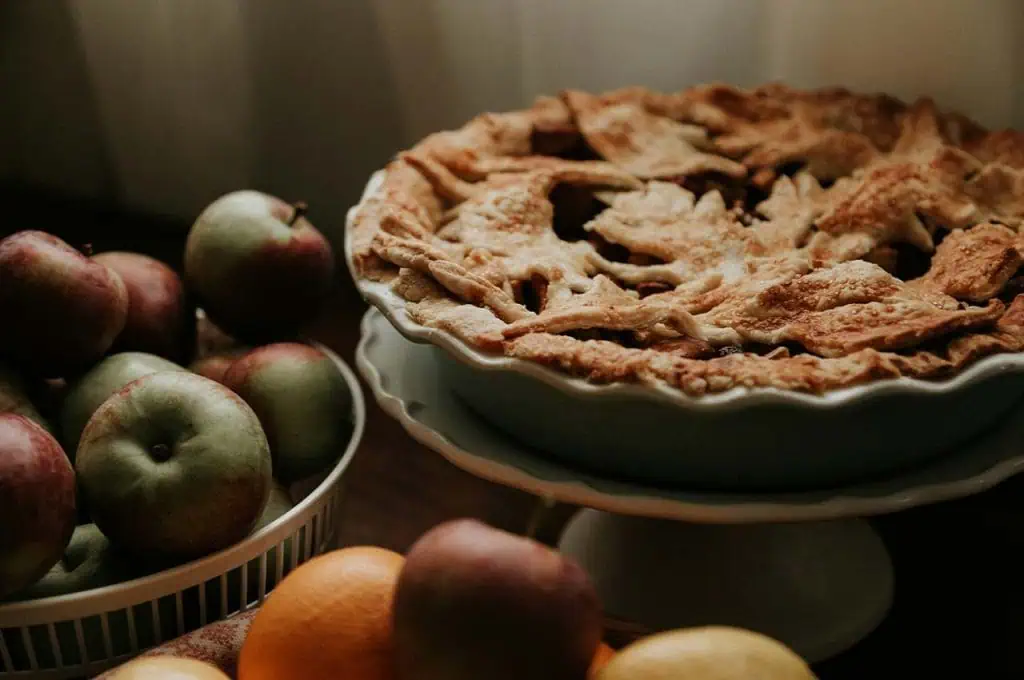
Despite being an emblem of Americana, apple pie traces its origins to England. Documented as early as the 14th century, English apple pies were simple: apples, sugar, and spices encased in pastry. To make a classic version, select tart apples like Granny Smith for their firm texture and tang. Slice uniformly for even cooking, and enhance the filling with cinnamon and nutmeg for warmth. Use chilled butter for a flaky crust — work it quickly into the flour to prevent melting, and let the dough rest before rolling to reduce shrinkage during baking.
Fried Chicken: A Scottish Creation
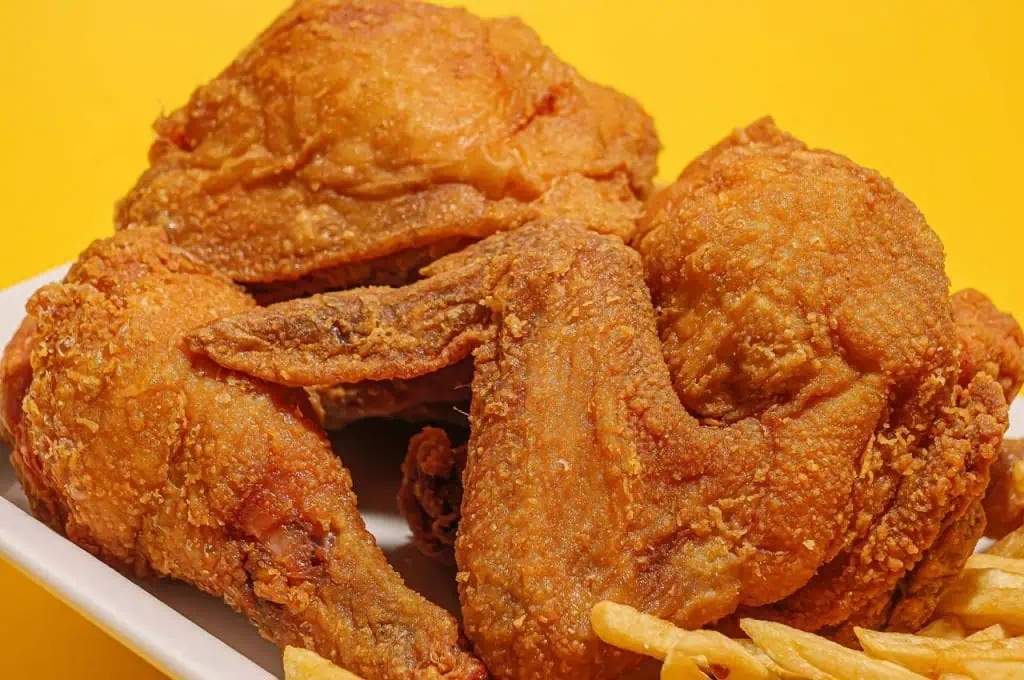
Fried chicken is often linked to the American South, yet its crispy legacy began with Scottish immigrants. They brought the tradition of frying chicken in fat rather than baking or boiling it. For superior crispiness, marinate the chicken in buttermilk, which tenderizes the meat and adds flavor. Coat in a mixture of flour, cornstarch, and spices. The cornstarch enhances crunch, while spices balance the richness. Fry at a consistent temperature to achieve uniform browning without overcooking. Allow the pieces to rest before serving to preserve their juiciness.
Donuts: Born in the Netherlands

Donuts, with their comforting blend of soft and sweet, originated as “olykoeks” or oily cakes in the Netherlands. The early versions often featured currents and were fried in lard. To replicate their texture, use yeast dough and ensure a warm, humid environment to let it rise adequately. Punch down the dough after its first rise to release gas, then cut and shape. Fry in oil at 350°F; too hot or cold yields chewy interiors or pale exteriors. Glaze immediately after frying for a flawless, sugary coat that enhances each bite.
Spaghetti and Meatballs: An Italian Duo

Spaghetti and meatballs are iconic in America but originated from Italian immigrants who blended Southern Italian and American cooking styles. For a balanced plate, use ground beef and pork for meatballs, pork adds depth and moisture. Mix with breadcrumbs soaked in milk for tenderness. Simmer gently in a tomato-based sauce enriched with garlic and basil, allowing flavors to meld. Cook spaghetti al dente to maintain some bite, and allow the pasta to finish cooking in the sauce, ensuring every strand is well-coated.
Mac and Cheese: Anglo-Italian Roots

The classic comfort of mac and cheese has its roots in English and Italian cuisines. The dish was first recorded in a 13th-century Italian cookbook. To create a creamy texture, select a combination of sharp cheddar and smooth Gruyère, which melts beautifully. Begin with a béchamel sauce, a simple mix of butter, flour, and milk, then incorporate the cheeses gradually. Cook pasta until just before al dente, then combine with the sauce and bake briefly. A crisp breadcrumb topping offers a delightful contrast to the creamy interior.
Meatloaf: German and Scandinavian Links
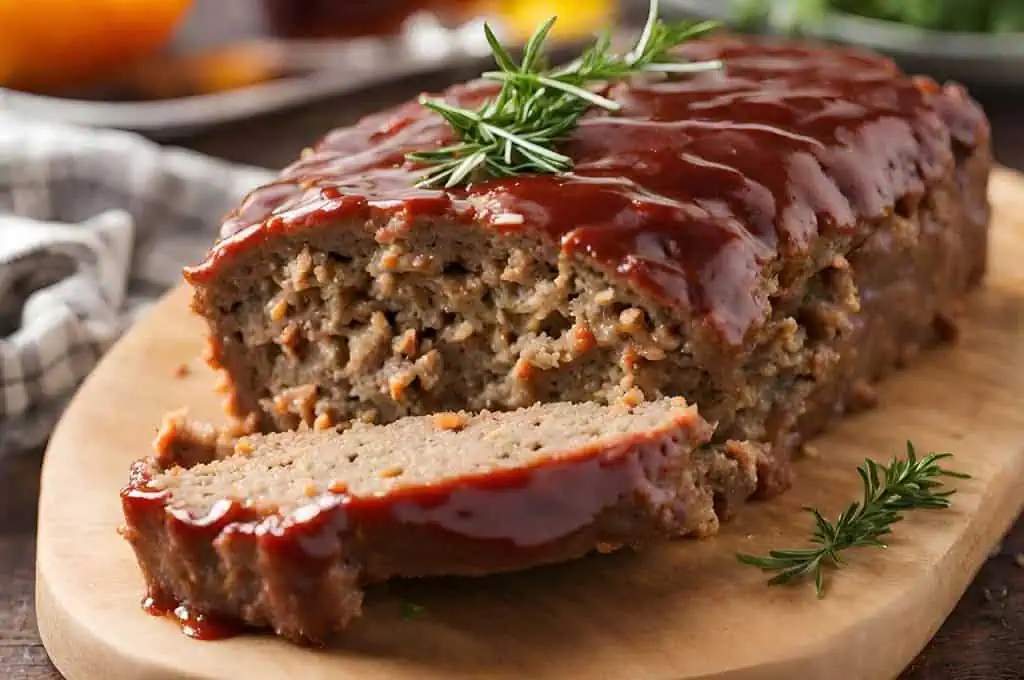
Meatloaf, often seen as a quintessential American comfort dish, has its roots in Germany and Scandinavia. The foundational mixture of ground meat, breadcrumbs, and seasonings dates back to these regions, where families would utilize leftover meats and local spices. Enhance your meatloaf by incorporating a balance of meats like beef and pork, ensuring moisture and depth. Adding finely chopped onions and garlic can enrich its flavor, while a traditional glaze combining ketchup and mustard provides a tangy finish. Bake until a crispy crust forms, locking in juices and elevating the dish beyond its origins.
Pancakes: Ancient European Delight

Pancakes, enjoyed worldwide, have ancient origins stretching back to Greece and Rome. These versatile flat cakes can be customized with a variety of toppings. To achieve a perfect texture, focus on balancing wet and dry ingredients; aim for a smooth, lump-free batter. Resting the mix allows gluten to relax, ensuring a tender result. Cook pancakes on a hot, lightly-greased griddle until bubbles form on the surface, then flip to reach a golden brown finish. Whether enjoyed with maple syrup or fresh fruits, pancakes offer a comforting taste tied deeply to ancient traditions.
Ice Cream: A Global Frozen Treat

Often thought of as an American invention, ice cream has roots in ancient China and Persia. Its evolution through Europe brought about flavors and techniques that are celebrated today. Creating a smooth, creamy texture involves careful temperature control; churn the custard base evenly to avoid ice crystals. For flavor, crushed vanilla beans or seasonal fruits add a natural essence. Ice cream should be stored in an airtight container to maintain freshness and minimize freezer burn. This beloved dessert, with its global heritage, is an epitome of culinary innovation and delight.
Barbecue: Caribbean and Indigenous Flames

Barbecue, while synonymous with American culinary culture, owes its techniques to Caribbean and Indigenous peoples. The art of slow-cooking meats over a flame or smoking them traces back to these origins. Achieving a succulent result requires patience and attention to temperature; a low, consistent heat allows flavors to develop deeply. Traditional rubs made with a combination of salty, sweet, and spicy elements enhance the natural taste of the meat. Resting the cooked meat before slicing ensures juiciness and flavor retention, honoring its rich, cross-cultural history.
Biscuits: British Beginnings
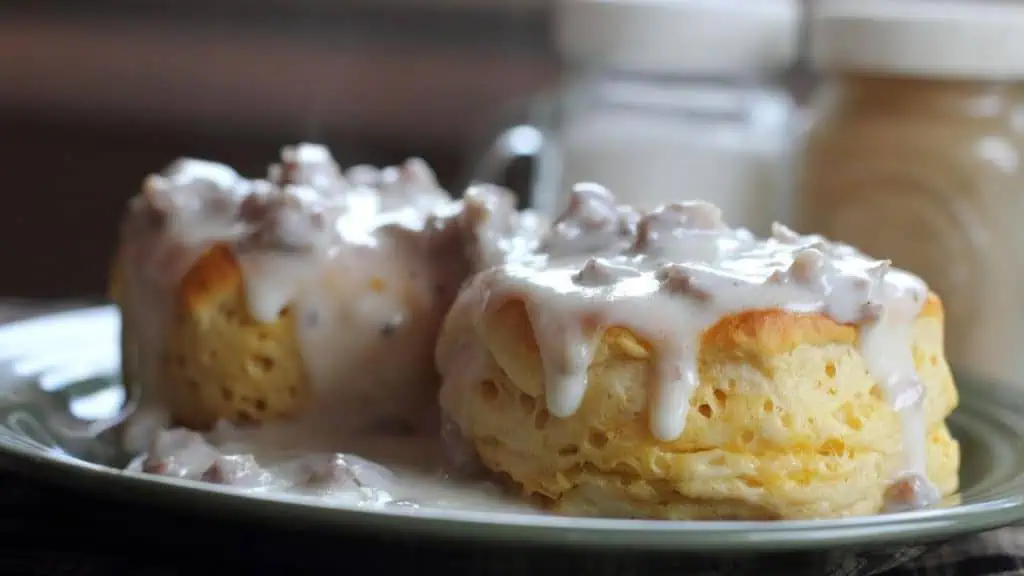
Biscuits, a staple of American breakfasts, originated from British culinary practices. Originally resembling a hard scone or cracker, they evolved into the fluffy baked goods we know today. Achieving a flaky biscuit requires cold butter and minimal handling of the dough. Cutting butter into the flour until pea-sized ensures light layers, while folding the dough aids in flakiness. Baking at a high temperature causes a rapid rise, creating the signature airy texture. Enjoyed with butter or jam, biscuits offer a nod to their British past while standing as a beloved breakfast accompaniment.
Pretzels: A German Tradition

Pretzels, often enjoyed at baseball games and street fairs, trace their origins to Germany, deeply embedded in a tradition dating back centuries. The key to an authentic pretzel lies in its distinct, deep-brown crust and characteristic chewy texture. Achieving this signature taste involves briefly dipping the dough in a baking soda solution before baking, promoting the Maillard reaction for that unmistakable look and flavor. Opt for coarse salt for added crunch, and serve them warm to fully appreciate their soft interior and rich, malty undertones. Paired with mustard or a creamy cheese dip, these pretzels are a nod to their rustic heritage.


