
15 ’70s Snack Foods That Would Flop Today

The 1970s were a decade of experimentation in both culture and food, with snack companies constantly rolling out bold and unusual products. While some stuck around, many were short-lived novelties that reflected the tastes and trends of the time. Looking back, these snacks may stir nostalgia, but most wouldn’t survive in today’s food world, where consumers expect healthier ingredients, authentic flavors, and less artificial flair.
Space Food Sticks

Marketed as the snack of astronauts, Space Food Sticks were chewy bars designed to feel futuristic. While kids loved the novelty, their chalky texture and odd flavors didn’t win lasting fans. Tied more to NASA’s image than taste, they quickly fell out of favor. Today’s consumers, focused on flavor and nutrition, would likely leave them on the shelf.
Koogle
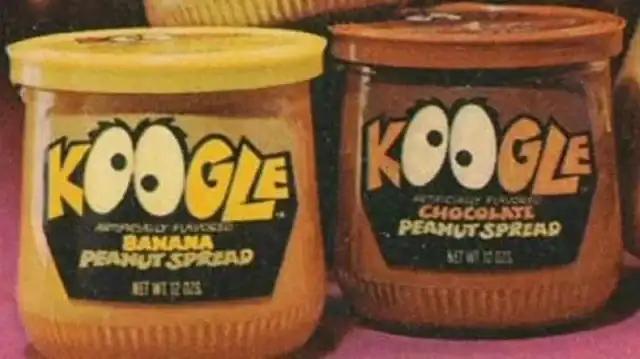
Koogle was a peanut butter spread available in flavors like chocolate, vanilla, and banana. It seemed fun in the ’70s, but its artificial taste didn’t hold up. With today’s demand for natural nut butters and cleaner ingredients, Koogle would struggle to compete. While fondly remembered by some, it’s a product that reflects its time more than lasting taste.
Pizza Spins

General Mills introduced Pizza Spins as crunchy snacks shaped like pinwheels with artificial pizza flavoring. They captured attention briefly but lacked real flavor depth. Modern snackers, used to authentic pizza-inspired products, wouldn’t be impressed by their powdery coating. Pizza Spins are a perfect example of a gimmick snack that thrived in the ’70s but wouldn’t survive today’s standards.
Dippy Whip
Dippy Whip was a shelf stable whipped topping meant to compete with Cool Whip. However, its chemical flavor and odd texture failed to win over consumers. In today’s market, where fresh and natural are valued, such a product would flop instantly. The artificial nature of Dippy Whip made it one of the more forgettable snacks of its era.
Tuna Twist

Tuna Twist was a powdered mix you added to canned tuna to make salad spreads stretch further. Marketed as thrifty and convenient, it turned tuna into something overly salty and artificial. Today’s consumers would balk at such a product, preferring fresh ingredients over processed shortcuts. It’s a snack hack that belongs firmly in the past.
Magic Puffs

Magic Puffs were colorful cereal-like snacks coated in sugar and marketed to kids. Their overly sweet taste and lack of real nutrition made them popular only briefly. In today’s health-conscious world, parents wouldn’t buy them, and kids have tastier options. The hype around bright colors and sugar was enough in the ’70s, but they wouldn’t stand a chance now.
Marathon Bar
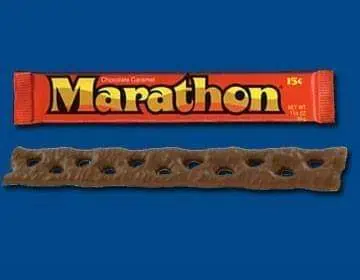
The Marathon Bar was a long, braided caramel-and-chocolate bar that gained attention for its unusual shape. While fun, its overly chewy texture frustrated many. It disappeared by the ’80s, remembered more for its size than taste. In a world where consumers want indulgence with convenience, a candy bar that took forever to chew would likely flop again.
Hostess Choco-Bliss

Hostess Choco-Bliss cakes were chocolate on chocolate treats that leaned into indulgence but lacked balance. Overly sweet and heavy, they faded out quickly. Today’s snackers prefer more nuanced flavors or premium chocolate options. Choco-Bliss proves that just piling on chocolate doesn’t guarantee lasting success.
Funny Face Drink Mix
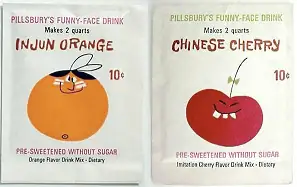
Funny Face drink mix was a rival to Kool-Aid, sold in colorful packets with cartoon mascots. The sugary flavors were fun, but the lack of uniqueness made it forgettable. Today’s parents are more concerned about sugar content and artificial dyes, meaning this drink would flop quickly in the modern market. It’s a sugary memory of the past.
Bacos Chips

Bacos Chips were bacon-flavored potato chips that relied heavily on artificial flavoring. While bacon itself has enduring appeal, the fake smoky taste turned off many. In today’s world of gourmet chips and authentic flavors, Bacos Chips wouldn’t find much success. They reflect the ’70s era of experimentation with artificial tastes more than timeless snacking.
Peanut Butter Boppers

Peanut Butter Boppers were candy-like tubes of peanut butter coated in chocolate or crunchy toppings. They were messy, overly sweet, and disappeared quickly. In today’s snack world, where portion control and natural ingredients dominate, Boppers would feel outdated. They’re remembered fondly by some, but not practical for modern shelves.
Corn Diggers

Corn Diggers were corn-based snacks shaped like shovels, intended for dipping. While the concept was playful, the flavor was bland and forgettable. Today’s consumers expect bold seasoning and crunch in their snacks, so Corn Diggers wouldn’t measure up. They were more about the gimmick than the taste, which doomed them in the long run.
Ding Dong Ice Cream Sandwiches

Hostess tried to expand its Ding Dong cakes into ice cream sandwiches, but the overly sweet and heavy treats didn’t catch on. They lacked the balance and texture of successful frozen desserts. In today’s market, where premium ice cream sandwiches are popular, this overly processed version would struggle. It was a product ahead of its time but poorly executed.
Snack Mate Cheese
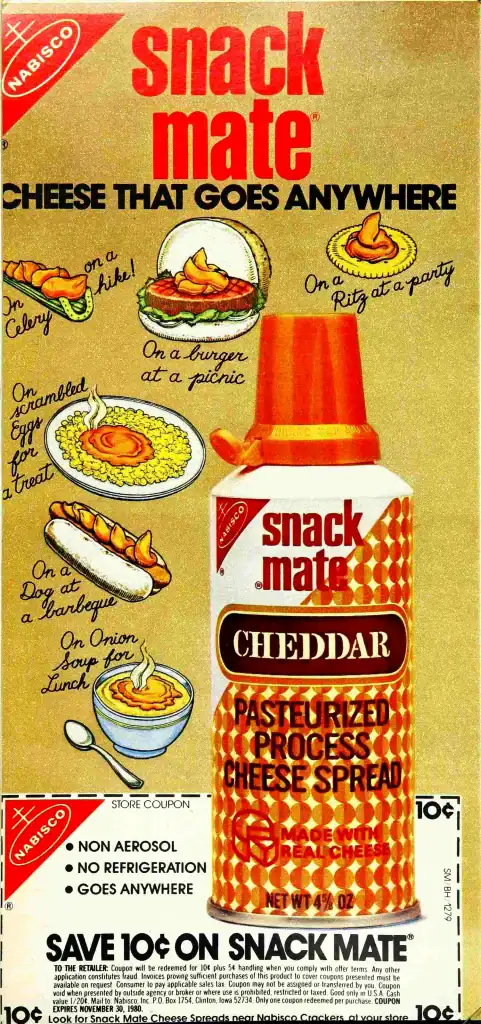
Snack Mate Cheese was canned aerosol cheese meant for crackers or direct snacking. While fun for kids, its artificial flavor and odd delivery method made it more of a novelty. Today, with gourmet cheeses widely available, this kind of product feels outdated and unappetizing. It’s remembered more as a quirky ’70s experiment than a snack with lasting appeal.
Chocodiles

Chocodiles were chocolate-coated Twinkies, promising the best of both worlds. However, their overly sweet, artificial taste turned off many, and they were discontinued. In today’s market, where indulgent snacks often emphasize quality ingredients, Chocodiles would flop again. They represent the era’s tendency to push sugary combinations without balance.


