
14 Everyday Foods That Could Be Dangerous for Your Pet

When preparing meals or snacks, we often overlook the impact foods might have on our pets. Many everyday ingredients that are harmless to humans can pose significant risks to their health. Understanding these potential hazards is crucial for any pet owner who wants to ensure a safe environment for their furry companions.
Why Raisins Are a Risk

Raisins, along with grapes, can cause acute kidney failure in dogs, even in small quantities. The exact toxin responsible remains unidentified, but symptoms such as vomiting, lethargy, and dehydration can occur within hours. It's vital to keep raisins out of reach and avoid using them as treats, opting instead for pet-safe alternatives like apple slices or carrot sticks.
Peanut Butter Pitfalls

Peanut butter is often considered a fun treat for dogs, but caution is needed if it contains xylitol, a sugar substitute. Xylitol can cause a rapid insulin release, leading to hypoglycemia and severe health complications. When selecting peanut butter for pets, always check the label for xylitol and choose natural, unsweetened varieties to ensure safety.
Baked Goods: Not So Sweet

Many baked goods contain chocolate, raisins, or xylitol, all harmful to pets. Chocolate contains theobromine, which is toxic to dogs and can lead to cardiac distress. Always store baked goods securely and consider making pet-friendly versions using ingredients like pumpkin or peanut butter (without xylitol) for a special treat.
The Perils of Caffeine

Caffeine is a stimulant that can be extremely dangerous for pets, leading to symptoms like rapid breathing, heart palpitations, and restlessness. Found in coffee, tea, and certain sodas, caffeine should always be kept away from curious pets. Instead, offer fresh water and ensure any caffeinated items are stored out of reach.
Raw Meat: A Hidden Threat
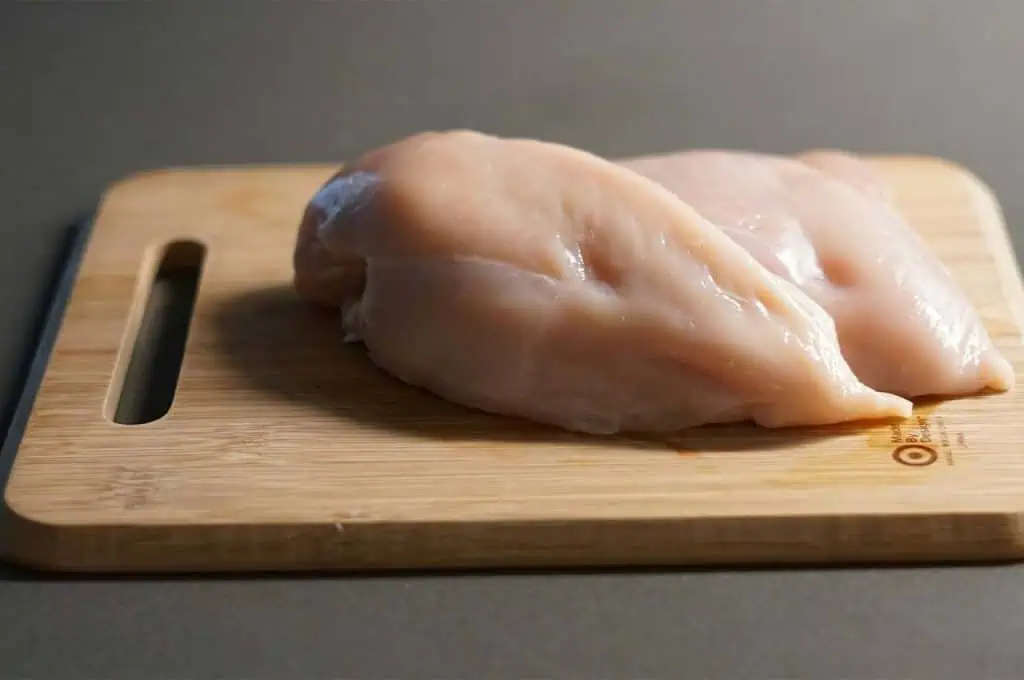
Raw meat is often considered nutritious for humans, yet it poses significant risks for pets. Pets lack the digestive resilience to handle bacteria like Salmonella and E. coli, commonly found in raw meat. These pathogens can cause severe gastrointestinal distress. Cooking meat thoroughly neutralizes these threats, creating a safer protein source. When preparing meals for pets, prioritize lean, cooked proteins to ensure nutritional benefits without the danger.
Grapes: A Toxic Treat
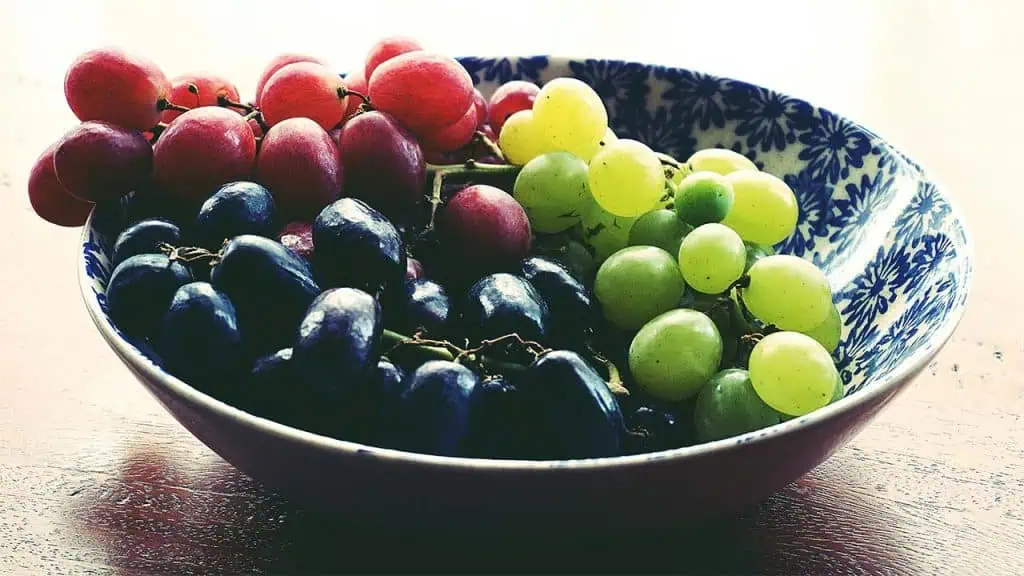
Grapes might seem innocuous, but they can lead to kidney failure in dogs and possibly other pets. Even a small amount can trigger vomiting, lethargy, or more severe symptoms. The mechanism of toxicity remains unclear, but the risk is undeniable. Removing grapes from your pet's diet and keeping them out of reach ensures your pet's health isn't compromised by this sweet yet dangerous fruit.
Chocolate: The Forbidden Delight

Chocolate contains theobromine and caffeine, stimulants that are toxic to pets, particularly dogs. Dark chocolate and cocoa powder pose the highest risk due to their higher theobromine content. Even small amounts can lead to vomiting, diarrhea, and more severe conditions like seizures. Keep chocolate out of pet-friendly spaces and educate household members about its harmful effects to prevent accidental ingestion.
Fruit Pits: Small but Mighty

Fruit pits from cherries, peaches, and plums are often overlooked hazards. These small seeds contain cyanogenic compounds, which can be toxic when ingested by pets. They also pose a choking risk and can cause intestinal blockages. Always remove pits before sharing fruit with your pet. Utilize fruit in pureed or chunk-free forms to create safe, enjoyable treats without the hidden dangers.
Onion: More Than Bad Breath

Onions contain thiosulfate, a compound toxic to pets, especially dogs and cats. Consumption can lead to hemolytic anemia, a serious condition marked by the destruction of red blood cells. Symptoms include weakness, lethargy, and discolored urine. All forms of onion, including powder, raw, cooked, or dehydrated, should be avoided in pet diets. Focus on pet-safe vegetables to add flavor and nutrients without health risks.
Garlic: The Spicy Saboteur

Garlic adds flavor to many dishes, but for pets, it poses a significant risk. Containing compounds called thiosulfates, garlic can damage red blood cells in cats and dogs, leading to anemia. Even small amounts can be toxic over time. When preparing meals, keep garlic out of reach and avoid feeding leftover garlic-seasoned foods to your pets. Opt for milder alternatives when sharing food or providing treats, ensuring your pet’s health isn’t threatened by this pungent ingredient.
Avocado: The Creamy Danger
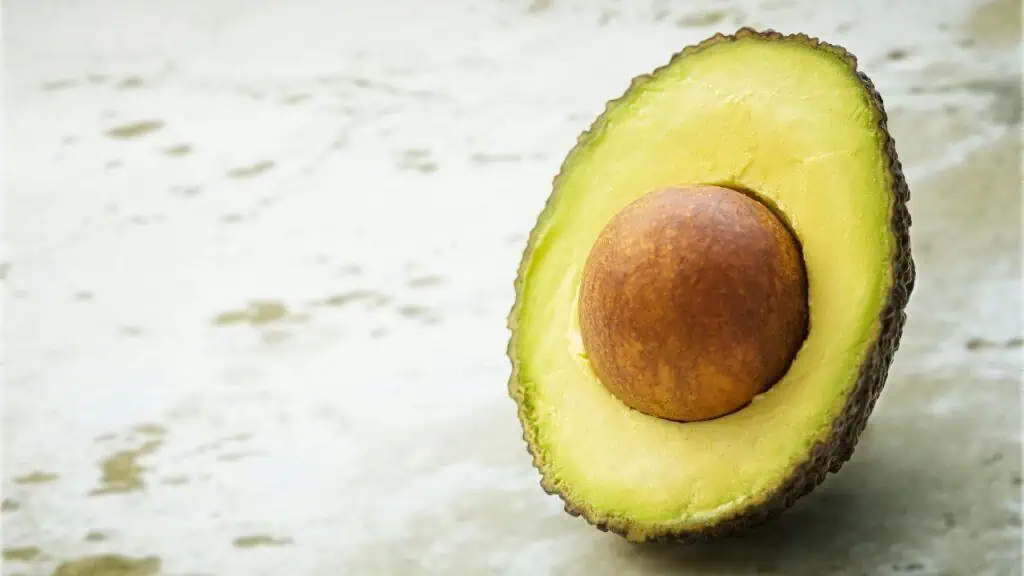
While rich and nutritious for humans, avocado contains persin, a compound toxic to many animals, particularly birds and some mammals. Ingestion can lead to vomiting, diarrhea, or more severe symptoms. Ensure avocados are stored securely away from your pet's reach. When preparing avocado dishes, be vigilant about discarded pits and skins. Consider pet-safe alternatives, like bananas or carrots, for shared snack times, providing both safety and enjoyment without compromise.
Pudding Problems

Puddings, whether homemade or store-bought, often contain ingredients like sugar or artificial sweeteners, particularly xylitol, which is extremely harmful to dogs. Even a small amount of xylitol can cause a dangerous drop in blood sugar and liver failure. When making or consuming puddings, ensure they are kept out of reach from curious pets. Opt for plain yogurt or specific pet-formulated treats if you're tempted to share a similar indulgent texture with your furry companion.
Macadamia Nuts: Tiny Terrors

Small and seemingly harmless, macadamia nuts can cause serious health issues in pets, especially dogs. Symptoms such as weakness, vomiting, and tremors may occur within hours of ingestion. Always store nuts in secure containers and clean up spills promptly. Consider offering plain roasted pumpkin seeds or celery sticks as pet-friendly snacks instead, ensuring a fun crunch without the associated health risks tied to these nuts.
Salt-Heavy Snacks and Their Dangers

High-sodium snacks like chips and pretzels are hazardous for pets, where excessive salt intake can lead to sodium ion poisoning, with symptoms including vomiting, diarrhea, and seizures. When enjoying these foods, ensure your pets don’t have access to them, and avoid sharing. Opt for unsalted plain popcorn or baby carrots for a safer, crunchy treat, providing satisfaction to curious pets without compromising their well-being.


