
13 Hard-to-Find Vegetables That Are Surprisingly Delicious

Exploring lesser-known vegetables can transform your culinary repertoire with unique flavors and textures. Each of these hard-to-find vegetables offers distinct qualities that enrich dishes in surprising ways. Understanding their characteristics and preparation techniques will elevate your meals, bringing depth and novelty to your cooking.
Celtuce: The Lettuce-Stem Hybrid
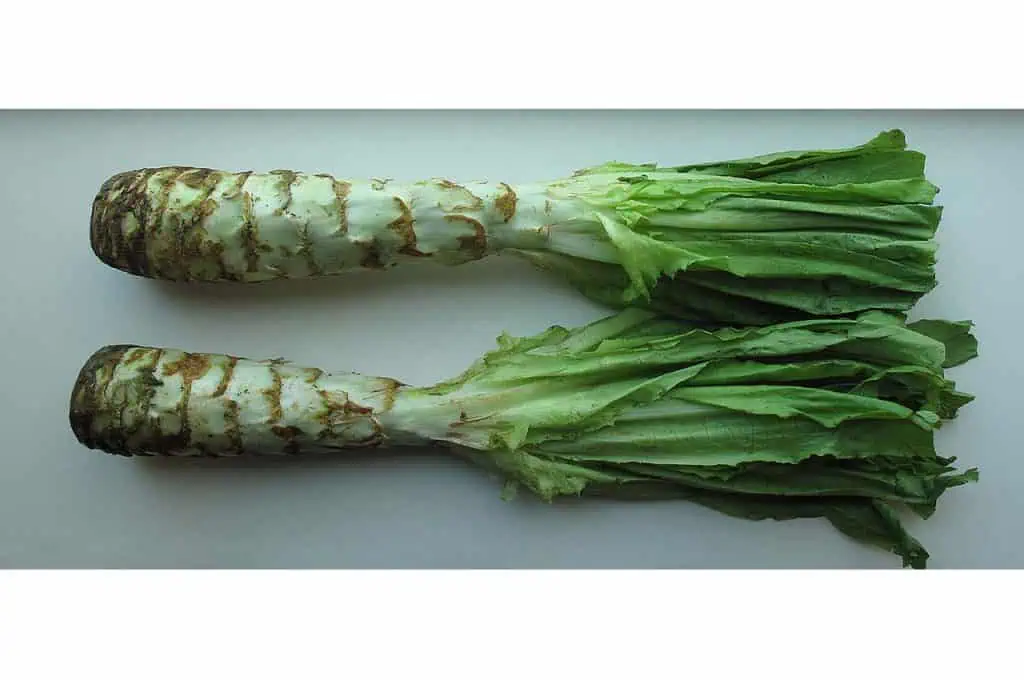
Celtuce, known for its stalk rather than its leaves, offers a slightly nutty and refreshing crunch. When preparing celtuce, peel away the tough outer layer to reveal the tender core. Slicing it thinly and stir-frying with garlic and sesame oil enhances its crisp, celery-like texture. The stem absorbs flavors beautifully, making it an excellent addition to salads or quick-cooked dishes, offering a mild but distinctive taste.
Oca: The Peruvian Powerhouse

Oca, small and vibrant tubers, pack a pleasantly tangy punch similar to that of a lemony potato. Roast them until their natural sugars caramelize, highlighting their sweet and tart characteristics. Their slightly waxy texture holds up well in warm salads or alongside roasted meats. Cubed oca can also be a striking addition to stews, where they impart both visual and flavorful vibrancy.
Salsify: The Oyster Plant

Salsify, often dubbed the “oyster plant” for its subtle shellfish flavor, is prized for its creamy texture. To prepare, peel and soak in acidulated water to prevent browning. Roasting brings out its sweet, earthy notes, making it a perfect companion for hearty winter dishes. When mashed, salsify becomes smooth and velvety, offering a sophisticated alternative to traditional root vegetables.
Yardlong Bean: The Extended Delight

Yardlong beans offer a tender, snappy bite and mild flavor that complements various spices. They excel when quickly blanched and then stir-fried with soy sauce and chili, preserving their lovely green hue and crunch. These beans absorb sauces splendidly, imparting a satisfying depth to any dish. Perfect for curries or cold salads, yardlong beans bring a vibrant element to the plate.
Malabar Spinach: The Climbing Leafy Green

Malabar spinach offers a unique twist on traditional spinach with its thick, succulent leaves and slightly mucilaginous texture once cooked. It’s an ideal choice for a warm salad or a stir-fry, where its vibrant green color adds visual appeal. Sauté the leaves briefly in olive oil with garlic and a splash of soy sauce to preserve their mild earthy flavor. The stems can be used for added crunch and nutrition. High in vitamins A and C, this versatile green thrives in warm climates, making it a robust and nutritious addition to your kitchen repertoire.
Crosnes: The Chinese Artichokes

Crosnes, or Chinese artichokes, present a delightful surprise with their nutty, artichoke-like flavor and crunchy texture. Best enjoyed raw, they can also be lightly sautéed in butter or tossed into salads for a crisp bite. To prepare, scrub them gently to remove any dirt, as their textured surface can accumulate soil. Blanching followed by a quick sauté brings out their subtle sweetness. Their intriguing appearance adds an elegant touch to platters, making them both a culinary and visual delight.
Ulluco: The Vibrant Tubers
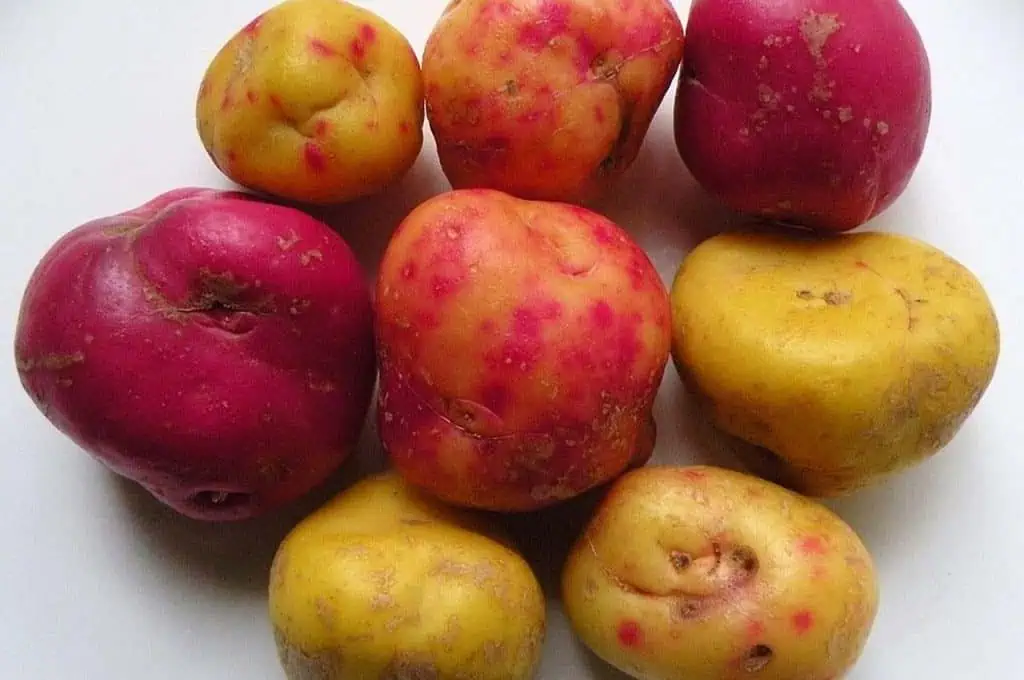
Ulluco tubers stand out with their jewel-toned skins and creamy, subtly sweet flesh. They are perfect for roasting, which enhances their natural earthy flavors. Toss them with olive oil, salt, and rosemary before placing them in a hot oven until tender and caramelized. Ulluco’s vibrant colors make them an eye-catching side dish, while their smooth texture complements hearty main courses. These tubers are rich in starch, similar to potatoes but with less tendency to become mushy, offering a different twist on roasted vegetables.
Fiddlehead Ferns: The Wild Delicacy

Fiddlehead ferns are a springtime delicacy with a distinctive, nutty flavor reminiscent of asparagus and a pleasing crunch in every bite. They must be thoroughly cleaned and boiled briefly before consuming to remove any potential bitterness. After boiling, a quick sauté in butter with lemon juice and a pinch of salt accentuates their fresh, grassy notes. These wild greens pair excellently with eggs or as an adventurous side to grilled meats. Their unique spiral shape adds a touch of the forest to your table.
Kohlrabi: The Versatile Globe

Kohlrabi brings a crisp texture and mild sweetness to a variety of dishes, making it a versatile vegetable for home cooks. Peel away its tough outer layer to reveal the pale, tender flesh inside, perfect for shredding into slaws or slicing for a crunchy addition to salads. Roasting kohlrabi cubes with olive oil and seasoning develops a rich, caramelized flavor ideal for side dishes. Its adaptability allows it to shine across multiple cuisines, delivering nutrients like vitamin C and potassium, while its subtle taste enhances other flavors.
Samphire: The Coastal Crunch
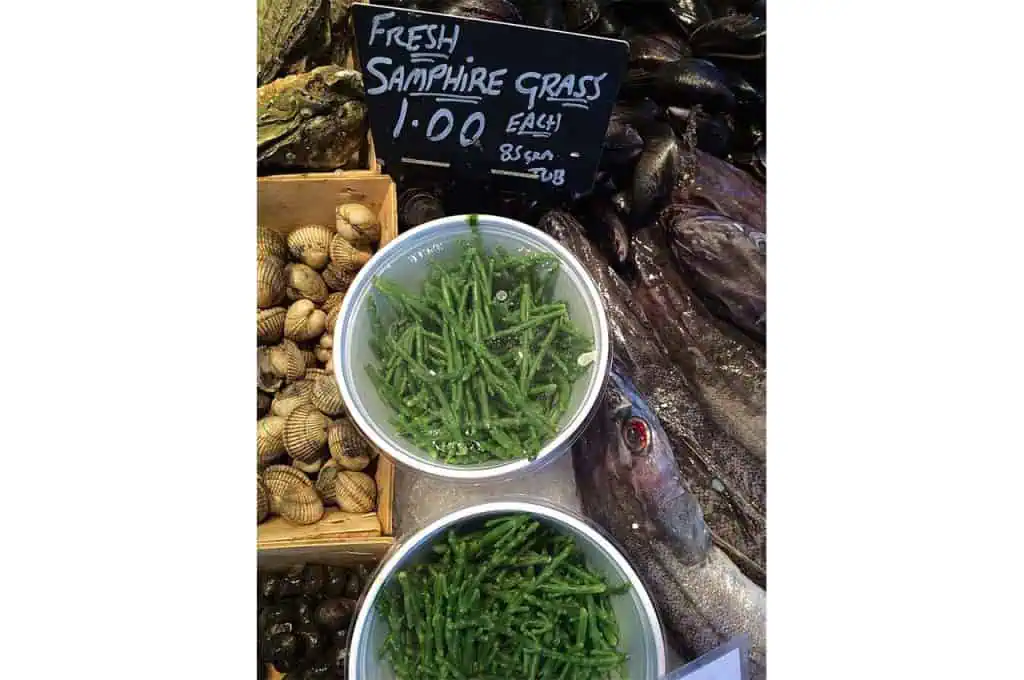
Samphire offers a delightful, salty crunch reminiscent of the ocean. Ideal for a light, refreshing side, blanch samphire briefly in boiling water, then shock it in ice water to retain its vibrant green color and crisp texture. Toss with olive oil, lemon juice, and a pinch of pepper for a simple salad. Its natural salinity complements seafood dishes perfectly, adding a fresh, maritime nuance that elevates grilled fish or scallops. Look for vivid green stems and store in a damp cloth to maintain freshness.
Chayote: The Crisp Squash

Chayote, a versatile squash, adds a mild flavor and a crisp bite similar to cucumber. To prepare, peel and remove the seed, then slice thinly. Enjoy it raw in salads or lightly sautéed for a slightly tender texture. Combine with lime juice, chili, and cilantro for a refreshing salad, or incorporate into stir-fries. Chayote's adaptability makes it a superb canvas for bold flavors. When selecting, opt for firm, blemish-free chayotes and store them in the fridge for optimal freshness.
Tiger Nut: The Tiny Tubers

Tiger nuts, despite their name, are actually small tubers with a sweet, nutty flavor. Perfect for plant-based milk, soak them overnight, then blend with water and strain for a creamy, dairy-free alternative. Their chewy texture works well in granolas or as a nut-like snack, providing a satisfying crunch. High in fiber, these tubers are nutritious and versatile. Choose plump, fresh-looking tiger nuts for the best quality, and store in an airtight container to maintain flavor.
Sea Kale: The Coastal Cabbage

Sea kale, a robust coastal plant, combines the earthy flavors of kale with a hint of asparagus-like sweetness. Trim the stems and blanch in salted water for a tender texture while preserving its subtle crunch and vibrant color. Finish with a drizzle of lemon butter or caper sauce to accentuate its natural taste. Sea kale pairs beautifully with grilled meats or as a main component in vegetable dishes. Opt for crisp, bright leaves and stems, storing them wrapped in a damp cloth for optimal freshness.


