
13 Expired Pantry Foods You Should Toss Immediately

The pantry is often a treasure trove of ingredients, but keeping it organized and safe is crucial. While some foods have a long shelf life, holding onto expired items can compromise both taste and health. Identifying and discarding these expired foods is essential for maintaining a functional kitchen. Let's explore which common pantry staples may need discarding, ensuring your meals remain both delicious and safe.
Mystery in the Pasta Box
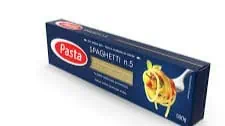
Check your pasta and you'll often find a forgotten box lurking at the back. While pasta can last long when stored properly, expired pasta becomes brittle and loses its quality. Stale pasta might develop unpleasant odors or tastes, and its texture will suffer—leading to ineffective cooking results. Inspect for any dark spots or changes in color, suggesting it's past its prime. When discarding, ensure to keep future pasta purchases in airtight containers to prolong shelf life.
Risks of Expired Rice
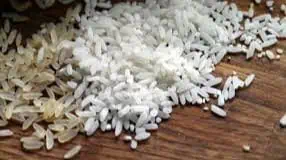
Rice is a staple in many kitchens, but expired rice poses a risk. Over time, its oils can turn rancid, leading to off smells and flavors, especially in varieties like brown rice. Expired rice may also attract pests, compromising other nearby goods. To keep rice fresh, store it in airtight containers in a cool, dry place. If you detect any unusual odor or see discoloration, it's time to toss and replace with a fresh batch.
Cereal Gone Stale

Cereal can be a quick breakfast option, but expired cereal loses its appeal fast. Stale cereal has a softened texture and an altered taste, affecting your morning bowl. Beyond taste, consuming rancid oils or stale grains isn't advisable. Always seal cereals tightly and store in a cool, dry location. If the cereal smells off or has an unusual texture, it's best to discard it for freshness's sake.
Dangers Lurking in the Flour

Flour is the base of many recipes, but its shelf life isn't indefinite. Expired flour can harbor weevils or develop a sour smell, indicating it's no longer suitable for use. Consuming flour that’s gone bad not only ruins recipes but may also lead to digestive issues. Always store flour in a sealed container, away from heat and moisture. Check for consistency and scent before using, ensuring your baked goods are the best they can be.
Oil's Hidden Spoilage Signs

Oils may linger quietly on your shelves, but they’re not immune to time. To detect spoilage, rely on your senses. Rancid oils emit a sharp, crayon-like odor. Also, note any cloudiness or sediment in clear oils like canola or vegetable, which indicates degradation. For olive oil, watch for a sticky texture around the bottle's neck. Storing oils in a cool, dark place extends their life, but once opened, aim to use them within six months to maintain flavor and quality.
Old Spices, New Concerns
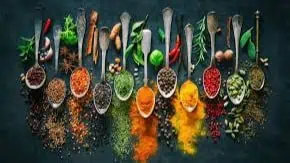
Spices are kitchen essentials that can lose potency, leaving your dishes lackluster. Check for faded color and weak aroma—both are signs of diminished spice power. Ground spices typically last about one year; whole ones up to two. Store them away from heat and light to preserve vibrancy. When spices lose their signature scent, it’s time to replace them. For ultimate aroma and flavor, consider grinding whole spices as needed using a mortar and pestle or spice grinder.
Deceptive Canned Goods

Canned goods might seem everlasting, but rust, dents, or bulging lids indicate a risk of spoilage. Even if a can appears intact, pay attention to its expiration date. Over time, acidity in foods like tomatoes can lead to tin leaching, altering taste and safety. Once opened, transfer leftover contents to glass or plastic in the refrigerator. For sauces or broths, bring them quickly to a boil before use, as bacteria might develop in compromised cans.
Nuts: Fresh or Forget It

Nuts are a delightful snack but highly perishable. Rancidity occurs quietly, marked by a bitter or soapy taste and a stale smell. Consider refrigerating or freezing them to extend freshness, especially for oils-rich varieties like walnuts or pecans. For best results, store in airtight containers, away from light and heat. If unsure of freshness, roast a small batch. If they still deliver that delightful buttery richness, they're good to go. Otherwise, it’s best to discard them.
Expired Baking Soda

Baking soda is a versatile tool in both baking and cleaning, so ensuring its efficacy is crucial. To test its readiness, mix a teaspoon with vinegar. Vigorous fizzing indicates freshness, while minimal reaction suggests it’s time to replace it. Store baking soda in a dry, cool place, secured in its original packaging or in an airtight container. Fresh baking soda ensures that your baked goods rise well and your cleanser performs effectively.
Condiments with a Deadline

Condiments may seem like eternal pantry staples, but many have expiration dates that impact flavor and safety. Mayonnaise, for instance, can separate and spoil after its shelf life, posing a risk for contamination. Ketchup and mustard lose their zest, diluting your condiments' impact on dishes. Soy sauce, albeit long-lasting, can still degrade, altering its rich umami profile. Regularly inspect and replace these items to maintain the quality of your meals, as freshness ensures the intended balance and intensity of flavors.
Tea Bags Past Their Prime

Tea bags, though deceptively durable, can lose both flavor and beneficial compounds over time. As they age, they may develop a dull taste, lacking the vibrant aromas and nuanced profiles of fresh tea. Store your tea in a cool, dry place in airtight containers to preserve its quality, but be vigilant about discarding past-expiration packs. Using fresh tea bags enhances not just flavor but also the health benefits associated with antioxidants. Regularly update your collection to enjoy a more robust cup.
Time to Ditch the Crackers

Crackers have a surprising ability to decline in quality past their expiration, becoming stale and losing their signature crunch. Oxidation and moisture can lead to changes in flavor, resulting in a lackluster snack experience. High-fat varieties are more prone to rancidity, affecting taste and aroma. To ensure the best texture and taste, regularly check for staleness and dispose of old packets. This vigilance guarantees that your entertaining and snacking essentials maintain their crisp, appetizing character.
The Perils of Old Chocolate

Old chocolate, while often perceived as non-perishable, is vulnerable to bloom and flavor loss over time. Sugar and fat separation creates an unappealing white film, known as bloom, which affects texture but not safety. However, chocolate that’s gone past expiration can become rancid, compromising its hallmark creamy consistency and rich taste. To prevent these issues, store chocolate away from heat and humidity, and replace outdated bars and chips. Fresh chocolate ensures a deliciously smooth, full-bodied experience.


