
12 Zero-Waste Recipes Every Eco-Conscious Family Needs This Year

Zero-waste cooking isn’t about perfection it’s about making smarter use of what’s already in your kitchen. According to the U.S. Environmental Protection Agency, food waste is one of the largest contributors to landfill methane emissions, yet most household waste is preventable with better planning and reuse. These recipes are designed for real families: familiar flavors, flexible ingredients, and techniques that stretch groceries further. Each dish helps reduce waste without adding stress, making sustainability part of everyday life rather than an extra chore.
Vegetable Scrap Broth
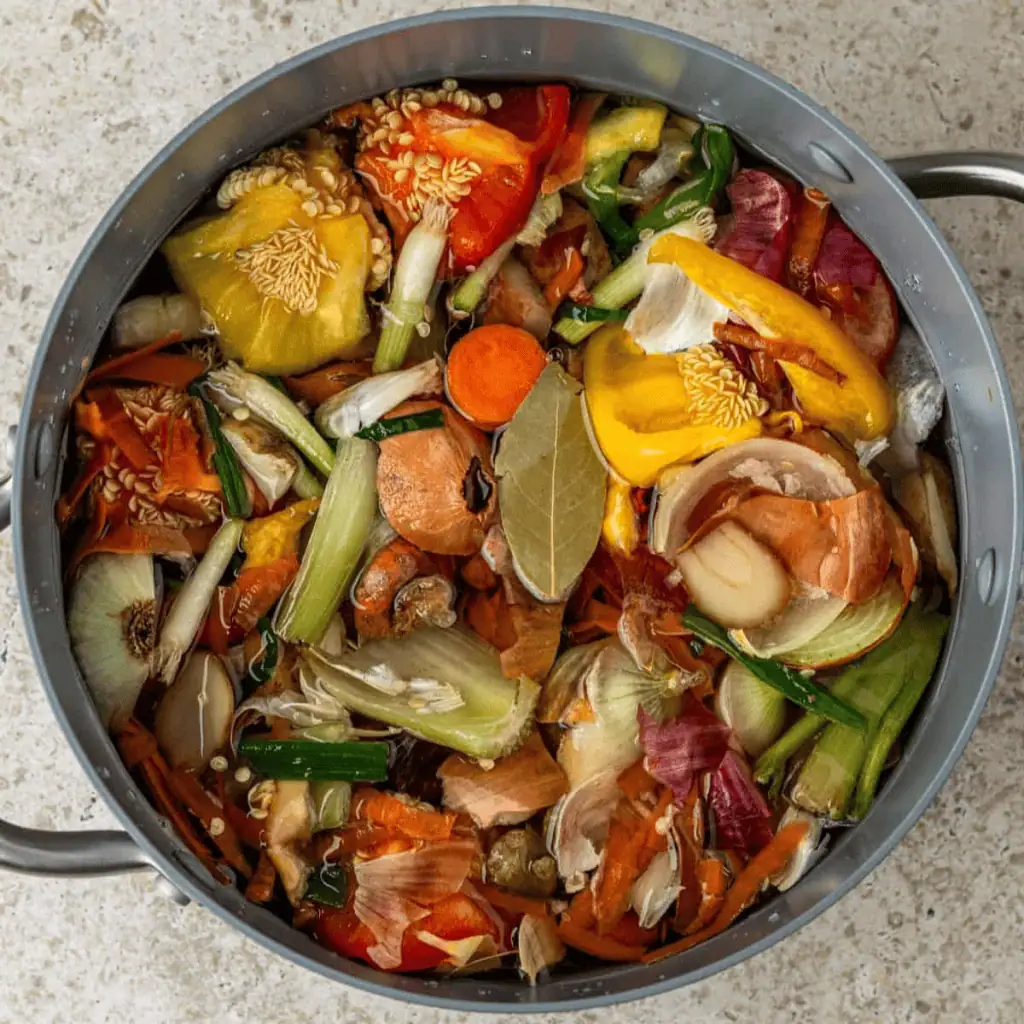
Vegetable scrap broth turns everyday kitchen trimmings into a deeply flavorful cooking base. Onion skins, carrot ends, celery leaves, mushroom stems, and herb scraps are saved in a freezer bag until ready to simmer. The broth replaces store-bought stock, cutting down on packaging waste and grocery costs. It teaches families that flavor comes from technique, not constant shopping. Used in soups, grains, or sauces, this broth quietly becomes the backbone of multiple zero-waste meals throughout the week.
Leftover Rice Fried Rice

Fried rice was created to prevent cooked rice from going to waste, making it one of the most practical zero-waste recipes. Cold rice fries better, while small portions of vegetables, eggs, or meat get a second life. The dish comes together quickly in one pan and adapts easily to what’s already in the fridge. For families, it reinforces that leftovers aren’t failures they’re ingredients waiting for reuse, turning yesterday’s dinner into today’s satisfying meal.
Stale Bread French Toast

Stale bread is actually ideal for French toast because it absorbs liquid without becoming soggy. This recipe rescues bread that’s past its prime and transforms it into a comforting, filling meal. Eggs and milk bind everything together, while spices or fruit add flexibility. Families learn that food doesn’t suddenly become useless when it dries out. Instead of throwing bread away, it becomes a reminder that timing, not freshness alone determines how ingredients are best used.
Overripe Banana Bread

Banana bread exists because bananas ripen quickly and are often thrown away. Overripe bananas provide natural sweetness and moisture, reducing the need for added sugar. Baking them into bread extends their life and creates a snack or breakfast families already love. This recipe teaches kids that imperfect produce is often better for cooking than perfect fruit. It’s one of the simplest ways to practice zero-waste baking without changing eating habits or expectations.
Chicken Carcass Soup

A roast chicken doesn’t end when the meat is gone. Simmering the carcass with leftover vegetables creates a rich, nourishing soup that stretches one meal into several. This recipe reduces waste while teaching respect for ingredients and food costs. Families see firsthand how using the whole ingredient saves money and adds value. The soup feels comforting and intentional, proving that zero-waste cooking often produces better flavor, not lesser meals.
Potato Peel Crisps
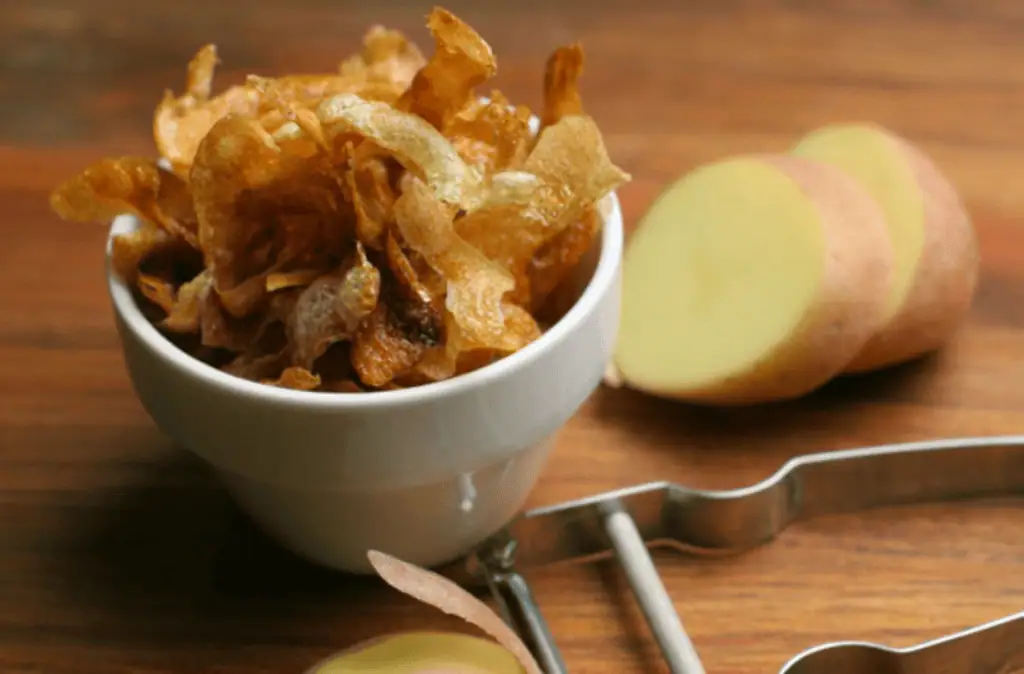
Potato peels are usually discarded without thought, but when tossed with oil and baked, they become crispy, salty snacks. This recipe turns prep scraps into something kids actually request. It encourages awareness during cooking, showing that waste often happens out of habit rather than necessity. The crisps add crunch without extra packaging or cost, making sustainability feel playful instead of restrictive for the whole family.
“Everything” Vegetable Pasta

This pasta dish is designed to use vegetables nearing the end of their life soft tomatoes, wilted greens, leftover roasted vegetables, or small sauce portions. Everything gets chopped and folded together, preventing produce from being forgotten in the fridge. The recipe adapts to what’s available, reinforcing flexibility instead of strict planning. Families learn to cook intuitively, reducing waste while still producing a familiar, comforting meal everyone recognizes.
Citrus Peel Sugar or Zest

Citrus peels are often discarded despite being packed with aroma and flavor. Drying or zesting peels and mixing them with sugar creates a versatile ingredient for baking, drinks, and yogurt. This habit extends the usefulness of each piece of fruit and reduces waste one peel at a time. Families learn that flavor doesn’t stop at the flesh, helping children see food preparation as a process where fewer parts are thrown away.
Leftover Vegetable Frittata

A frittata welcomes odds and ends that don’t quite form a full meal, cooked vegetables, small cheese portions, or leftover meats. Eggs bind everything into a filling dish that works for breakfast, lunch, or dinner. This recipe prevents small leftovers from lingering until they spoil. It teaches families that meals don’t need a strict structure to be complete, making zero-waste cooking feel natural rather than forced.
Apple Core Applesauce

Apple cores and peels still hold flavor and nutrients, making them perfect for applesauce. Simmering them with water and spices creates a smooth, familiar food after straining. This recipe reframes peeling as a resource rather than waste. Families see that even discarded parts can contribute to meals. It’s a simple habit that reduces trash while producing something comforting and recognizable for kids.
Herb Stem Pesto

Herb stems are often thrown away despite being full of flavor. Blending them with oil, nuts, and cheese creates a pesto that works on pasta, sandwiches, or vegetables. This recipe stretches expensive herbs further and reduces food waste without changing how meals taste. It also teaches kids that texture differences don’t equal uselessness, helping them understand how whole ingredients can be used creatively.
Leftover Fruit Smoothies

Soft or slightly bruised fruit blends perfectly into smoothies, preventing it from being discarded. Freezing fruit extends its life and creates thicker, colder drinks without ice. This recipe fits easily into busy mornings and snack times. It reinforces that aging fruit is still valuable and useful. Families save money while reducing waste, all without introducing unfamiliar flavors or extra work.


