
12 Weird Cooking Tricks That Actually Work

Cooking is full of surprising hacks that sound strange at first but deliver real results in the kitchen. From simple ways to enhance flavor to clever techniques that save time, these unusual tricks have been tested and approved by home cooks and chefs alike. While they may raise an eyebrow, they’re practical, effective, and can change the way you prepare everyday meals. Here are 12 weird cooking tricks that truly work.
Adding Coffee to Chocolate Desserts

A small amount of brewed coffee or espresso powder intensifies the flavor of chocolate without making the dessert taste like coffee. The bitterness balances the sweetness, giving brownies, cakes, or frosting a deeper, more complex flavor. Many bakers swear by this simple addition, and it has become a professional secret for making chocolate treats taste richer and more indulgent.
Freezing Onions Before Chopping
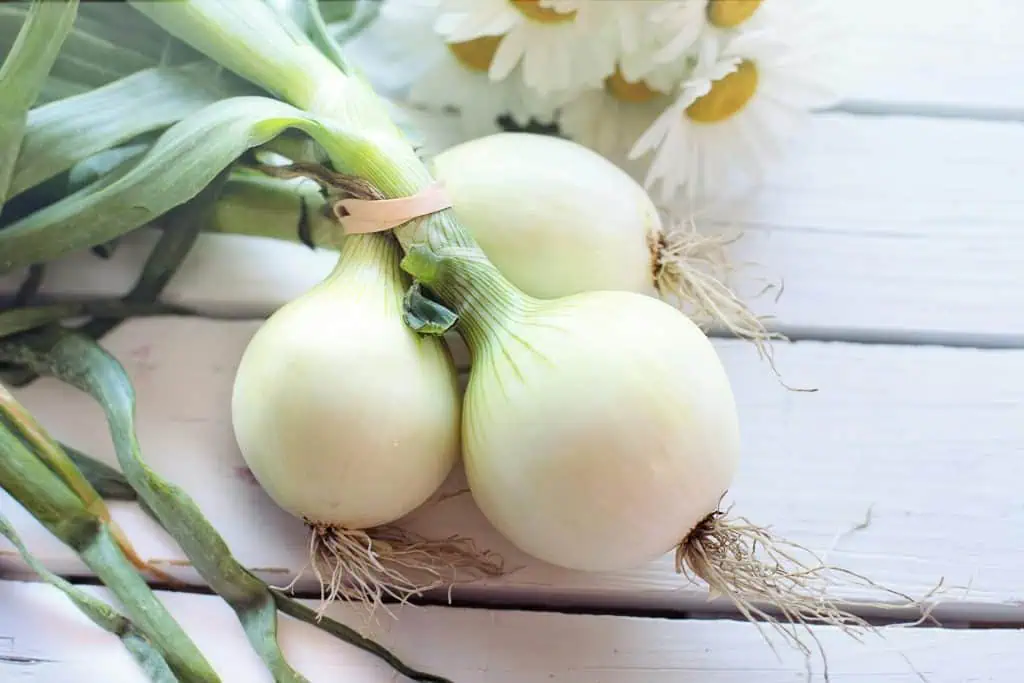
Chopping onions can bring tears to your eyes, but freezing them for 10–15 minutes before slicing reduces the release of tear-inducing compounds. The cold slows down the chemical reaction that irritates your eyes. While the onion may be slightly harder to cut, this trick makes meal prep much more comfortable, especially for those who are sensitive to strong onion fumes.
Using Mayonnaise for Grilled Cheese
Spreading mayonnaise instead of butter on the outside of bread before grilling creates a crispier, golden-brown crust. The oil and egg in mayo provide even browning and a subtle tang that enhances flavor. It’s a trick many chefs recommend, and once you try it, you may never go back to butter for making grilled cheese sandwiches.
Adding a Potato to Salty Soup

If you accidentally add too much salt to soup or stew, dropping in a peeled potato can help absorb some of the excess. The potato should simmer for about 15 minutes before being removed. While it won’t fix a heavily oversalted dish, it can reduce saltiness enough to balance flavors, saving a meal that might otherwise be ruined.
Using Vinegar in Pie Crust

Adding a splash of vinegar to pie crust dough may sound odd, but it helps prevent the formation of gluten, resulting in a more tender crust. The vinegar flavor bakes out completely, leaving behind only a flakier, lighter texture. Professional bakers often use this trick to ensure consistent, bakery quality crusts at home.
Cooking Pasta in Less Water
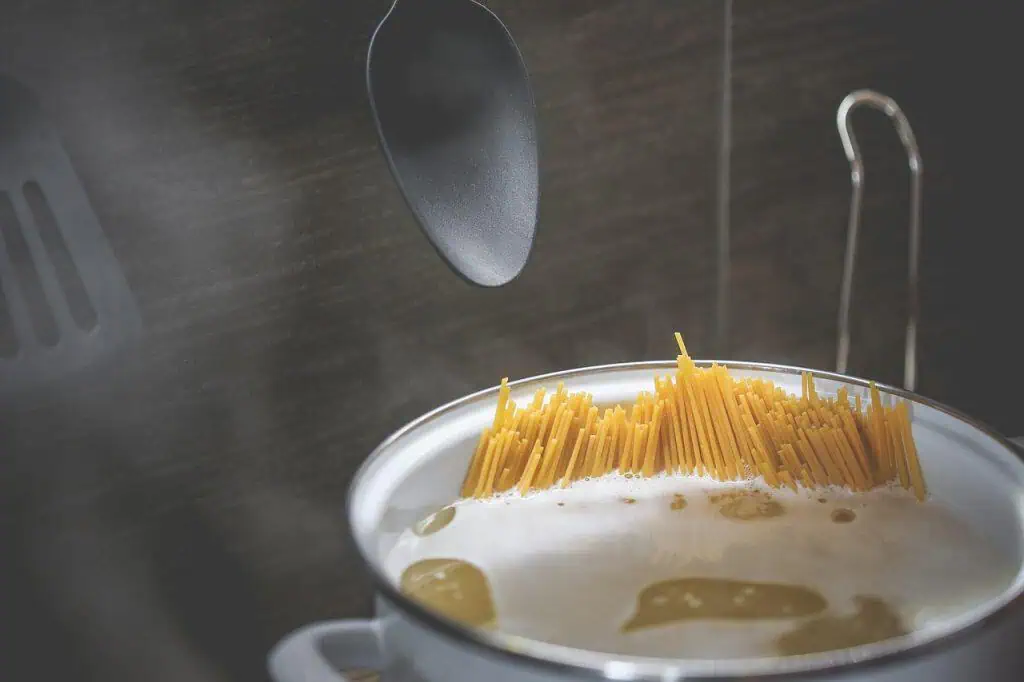
Instead of filling a pot with water, cooking pasta in a smaller amount creates a starchier liquid that’s perfect for thickening sauces. This trick saves time, conserves water, and enhances the flavor of pasta dishes. Chefs often add a ladle of this cooking water to sauces like Alfredo or marinara, helping the sauce cling better to the noodles.
Putting Bread in with Cookies
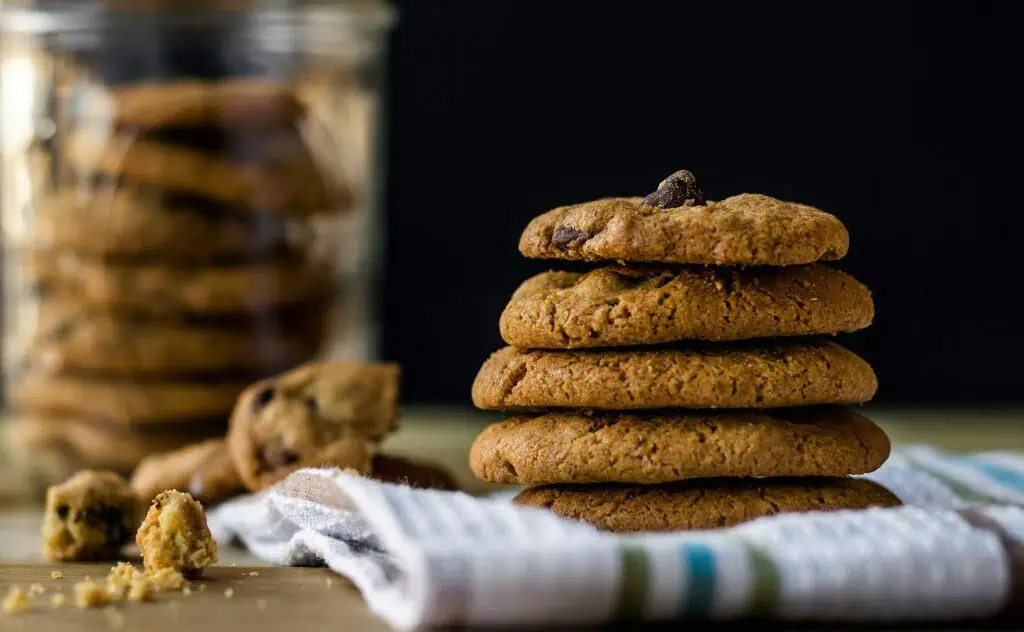
To keep cookies soft, place a slice of fresh bread in the container with them. The cookies absorb the bread’s moisture while the bread becomes stale. This simple trick extends the life of homemade treats and works especially well for chewy varieties like chocolate chip or oatmeal cookies. It’s a small step that makes a big difference.
Using Soda in Meat Marinades

Cola or lemon-lime soda makes an excellent tenderizer for meat thanks to its acidity and sugar content. Marinating chicken, beef, or pork in soda helps break down proteins while adding a subtle sweetness. Popular in barbecue and Asian-style dishes, this trick delivers juicy, flavorful results with minimal effort. Just be sure not to marinate too long, as the acid can over-soften the meat.
Adding Peanut Butter to Savory Dishes
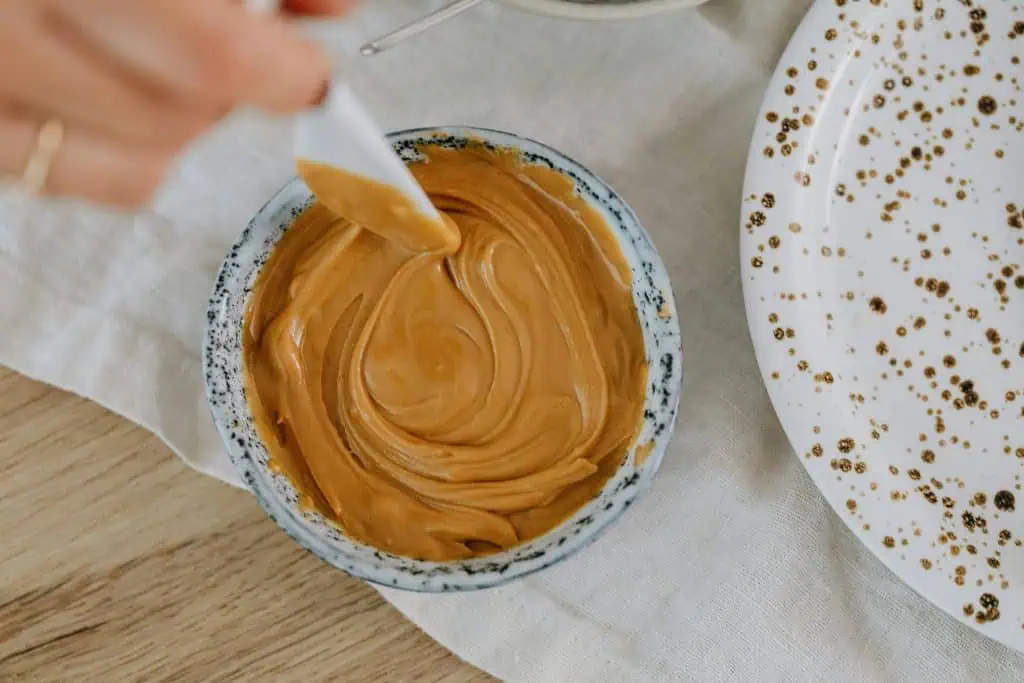
A spoonful of peanut butter in stews, curries, or chili may sound strange, but it adds creaminess and depth. The nutty flavor blends with spices to create a rich, balanced taste. Common in West African and Thai cooking, this trick enhances both flavor and texture while providing plant-based protein. It’s a delicious way to give familiar dishes a surprising twist.
Grating Frozen Butter for Baking
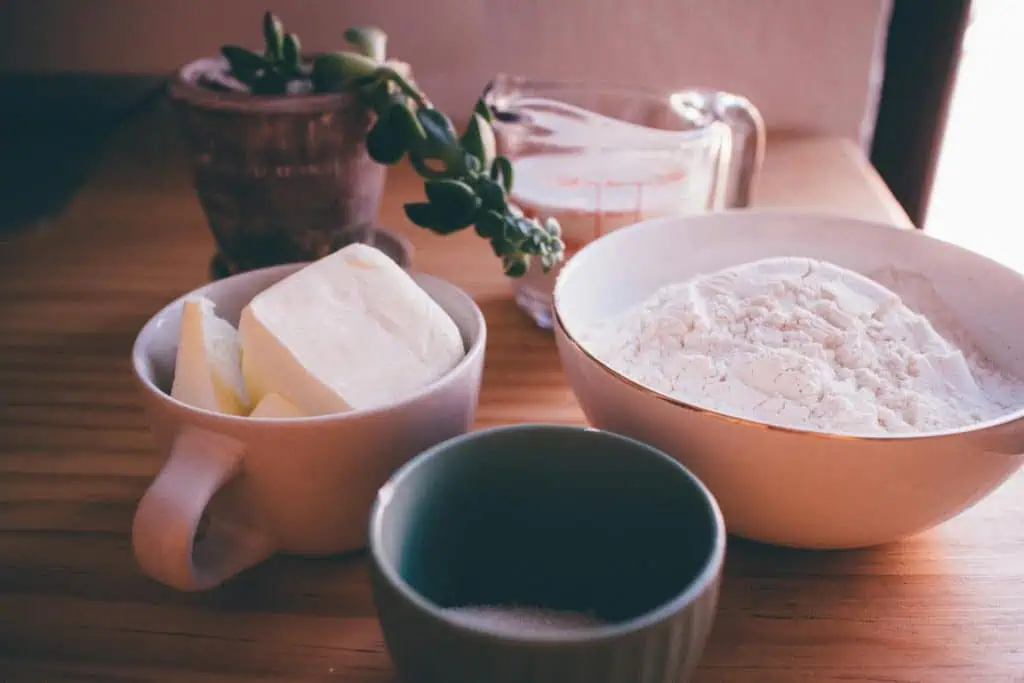
Instead of cutting cold butter into flour for biscuits or pastry, grating frozen butter with a box grater is faster and more effective. The thin shreds distribute evenly throughout the dough, creating flaky layers once baked. This unusual trick is beloved by bakers who want light, airy textures in their baked goods without extra hassle.
Adding Mustard to Cheese Sauce
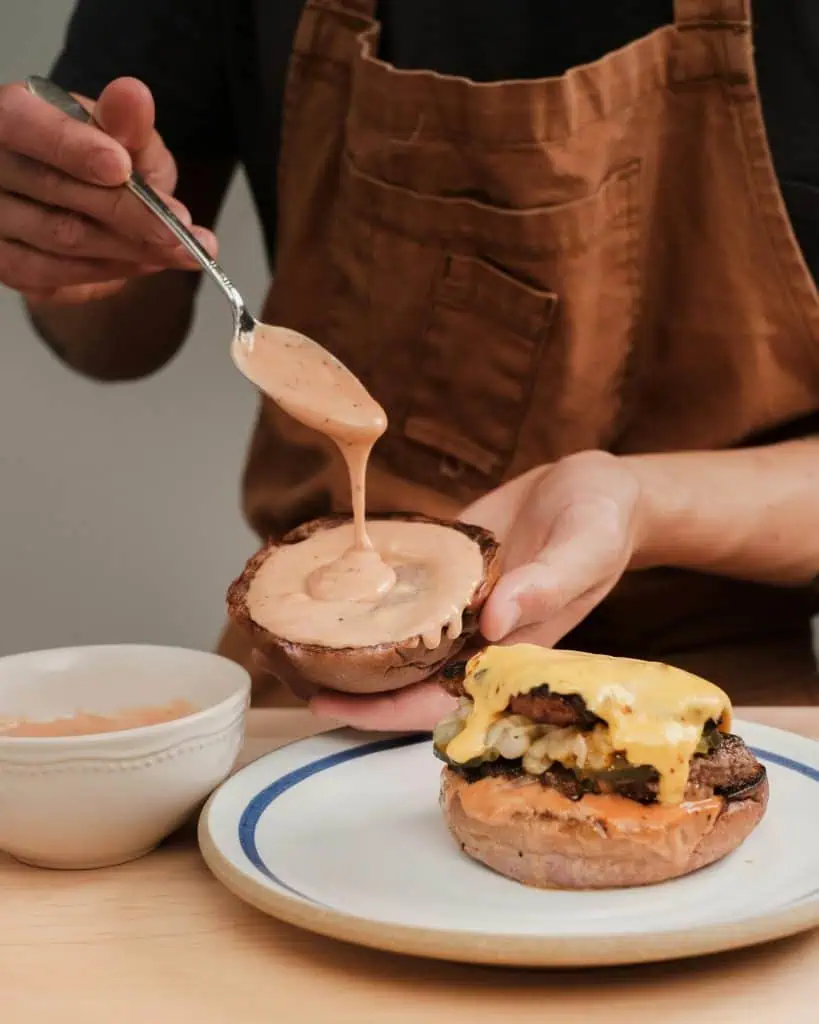
Stirring a small amount of mustard into cheese sauce sharpens the flavor and prevents it from tasting flat. The acidity cuts through the richness of the cheese, creating a more balanced sauce. It’s especially effective in macaroni and cheese, where mustard enhances creaminess while boosting the dish’s overall flavor without overpowering it.
Boiling Eggs with Baking Soda

Adding baking soda to boiling water makes eggs easier to peel after cooking. The alkaline environment loosens the bond between egg whites and shells, reducing the frustration of broken whites. This hack is especially helpful when making large batches of hard-boiled eggs for deviled eggs, salads, or snacks. It’s a small adjustment with big time-saving benefits.


