
12 Red Flags Your Italian Restaurant Isn’t the Real Deal

Finding an authentic Italian restaurant can be a true culinary delight, but not every establishment lives up to its name. Identifying the signs of a top-quality venue ensures that your dining experience meets the mark. Here, we’ll explore key indicators that a restaurant may not offer a genuine Italian dining experience, equipping you with the knowledge to choose wisely.
Servers Lack Italian Knowledge

A genuine Italian restaurant thrives on knowledgeable staff who understand the dishes beyond just their names. Servers should comfortably explain menu items, suggest wine pairings, and pronounce Italian terms accurately. This expertise reflects a commitment to authenticity, offering diners a deeper connection to the cuisine and culture. If servers struggle with simple queries or lack enthusiasm for the menu, it might indicate a disconnect from true Italian roots.
Overloaded Menu Options

Authentic Italian restaurants often celebrate simplicity and regional focus, where each dish is thoughtfully curated. A menu overflowing with choices can dilute quality, sacrificing authenticity for variety. Look for menus that highlight seasonal ingredients and specific Italian regions. These typically indicate care and expertise in the kitchen, focusing on delivering well-prepared and memorable flavors rather than catering to every possible preference.
No Daily Specials

Daily specials showcase a restaurant's emphasis on fresh, seasonal produce and chef creativity. A lack of specials might suggest reliance on a static menu, missing the dynamic nature of Italian cooking that adjusts with what's best and most abundant in the market. Specials allow chefs to innovate and diners to experience something unique with each visit, offering a flavorful adventure beyond the standard offerings.
Suspiciously Empty Dining Room

An eerily quiet dining room during peak hours may hint at underlying issues. Authentic Italian restaurants often enjoy bustling atmospheres, where patrons gather to savor the vibrant cuisine. While popularity alone isn't definitive, consistent emptiness might suggest dissatisfaction among diners or mediocre food quality. Vibrant, lively settings often correlate with exceptional dishes and a fulfilling dining experience.
Excessive Use of Cream
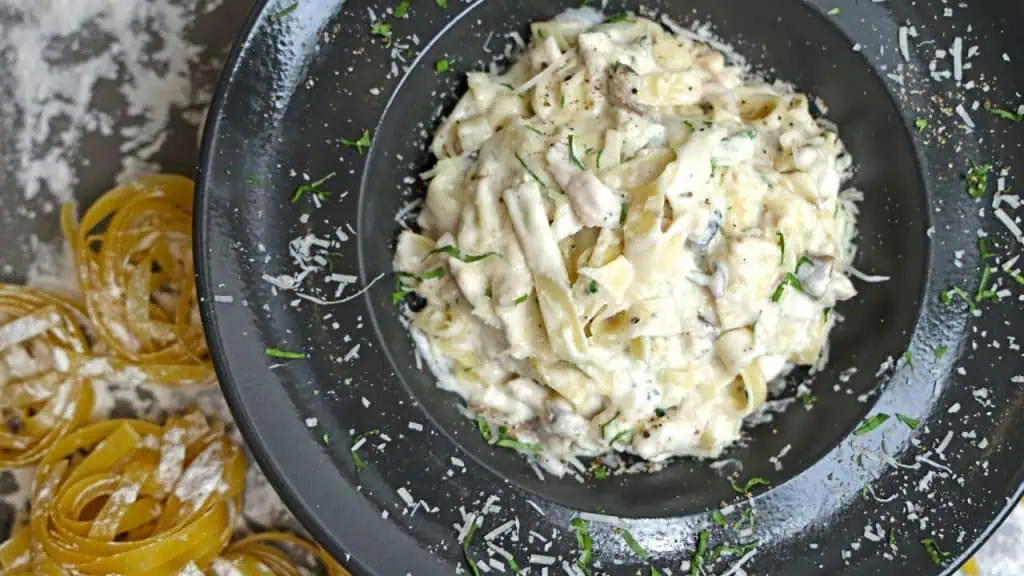
A true Italian restaurant relies on simplicity and the natural flavors of ingredients, where cream is used sparingly. If you find that dishes like carbonara or Alfredo are drenched in heavy cream, this could indicate a deviation from authentic methods. Instead, these dishes should emphasize quality eggs, cheese, and the emulsion of pasta water. This technique not only enhances texture but ensures a balanced, rich flavor without relying on excessive dairy fat.
Non-Italian Wine List

An authentic Italian dining experience often involves complementing dishes with regional wines. A menu lacking Italian varietals, or one dominated by wines from other regions, might signal a lack of authenticity. Look for selections such as Chianti, Barolo, or a refreshing Vermentino. Each choice should enhance the flavors of the meal, from hearty reds accompanying ragu to crisp whites that pair beautifully with seafood pasta.
Uncleanliness and Hygiene Issues

Attention to cleanliness is a hallmark of reputable establishments. A dining area that appears neglected or a restroom lacking supplies should prompt concerns about kitchen hygiene. Authentic Italian dining focuses on hospitality and respect, including meticulous cleanliness. This ensures that the food is not only delicious but also prepared in a safe, sanitary environment, reflecting the pride and care traditionally associated with Italian cuisine.
Plain or Store-Bought Bread

Bread in Italian restaurants should be more than just a side; it’s an integral part of the dining experience. A commitment to quality begins with house-made offerings like ciabatta or focaccia, whose textures and aromas are unrivaled by store-bought counterparts. They should have a crisp crust and airy crumb, reflecting careful craftsmanship. Accompanied by olive oil or balsamic, good bread sets the tone for the rest of the meal, showcasing dedication to authentic preparation.
Lack of Fresh Ingredients
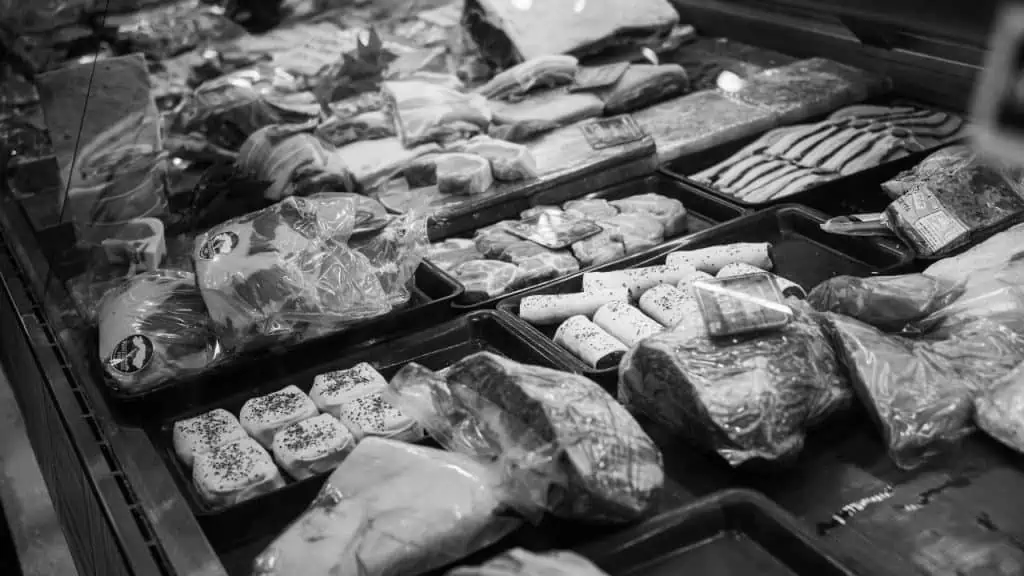
Freshness is the cornerstone of Italian cuisine, where seasonal produce and high-quality ingredients are paramount. Dishes should burst with the flavor of ripe tomatoes, fresh basil, and robust garlic. Wilted greens or flavorless tomatoes suggest shortcuts that detract from genuine Italian flavor. Aim for meals that highlight the vibrancy of locally-sourced ingredients, each enhancing the dish’s taste and authenticity, reflecting the true essence of Italian cooking.
Americanized Menu Items

A genuine Italian restaurant focuses on simplicity, allowing quality ingredients to shine. When you see items like “fettuccine Alfredo” or “meatball subs,” these are often tailored for an American palate, straying from traditional Italian culture. Authentic menus emphasize regional specialties—look for dishes named after Italian towns or featuring classic combinations like a true Margherita pizza with San Marzano tomatoes and fresh mozzarella. Paying attention to these details can indicate a dedication to culinary authenticity.
Pre-Cooked Pasta on Offer
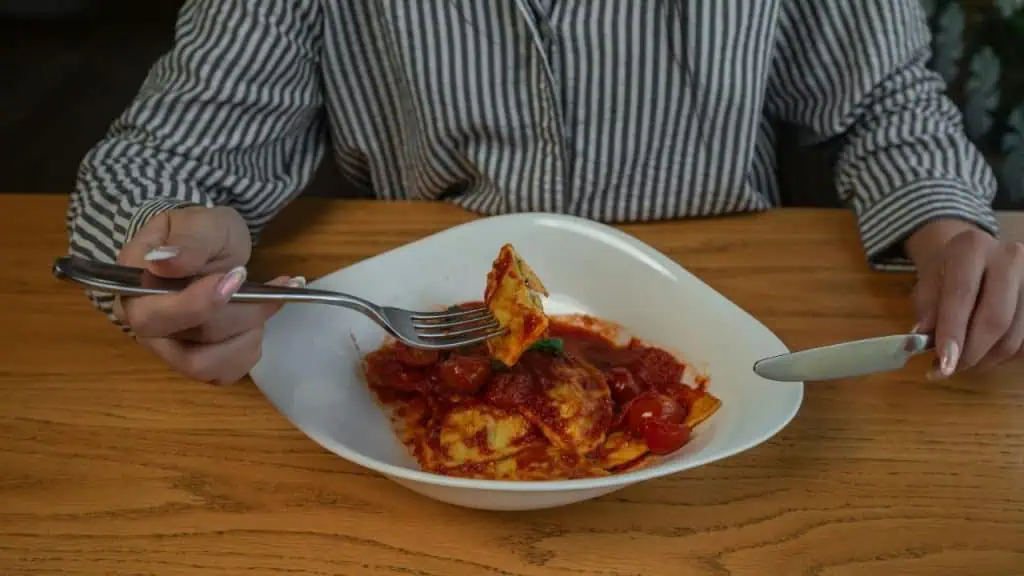
In a true Italian kitchen, pasta is cooked fresh and to order. If you notice pre-cooked pasta being served, it suggests a departure from traditional craftsmanship, often compromising texture. Genuine Italian cooking relies on proper al dente preparation, ensuring the pasta retains a slight chew and doesn’t become mushy. This practice not only affects the quality but alters the entire dining experience. Freshly cooked pasta, tossed immediately with sauce, absorbs flavors effectively, enhancing each dish’s harmony.
Missing Italian Atmosphere

Authentic Italian dining extends beyond the menu; ambiance plays a vital role. The atmosphere should evoke warmth and familiarity, with elements like rustic decor, soft lighting, and perhaps Italian music softly playing. If the setting feels more like a fast-food joint, it may not reflect the traditional Italian ethos. A real experience immerses diners, fostering an environment where savoring meals is encouraged, resembling the leisurely, communal spirit of dining in Italy.


