
12 Pantry Staples Moms From the ’60s Never Threw Away

Pantries in the 1960s weren’t built around novelty, rotation, or constant refreshing. They were built around preparedness. Many moms believed that throwing food away signaled poor planning, not safety or freshness. Shelf-stable staples were chosen for longevity, flexibility, and their ability to rescue meals when money, time, or energy ran short. These items stayed in cupboards for years, untouched but trusted. They weren’t exciting, but they worked in almost every situation and that made them essential.
Flour
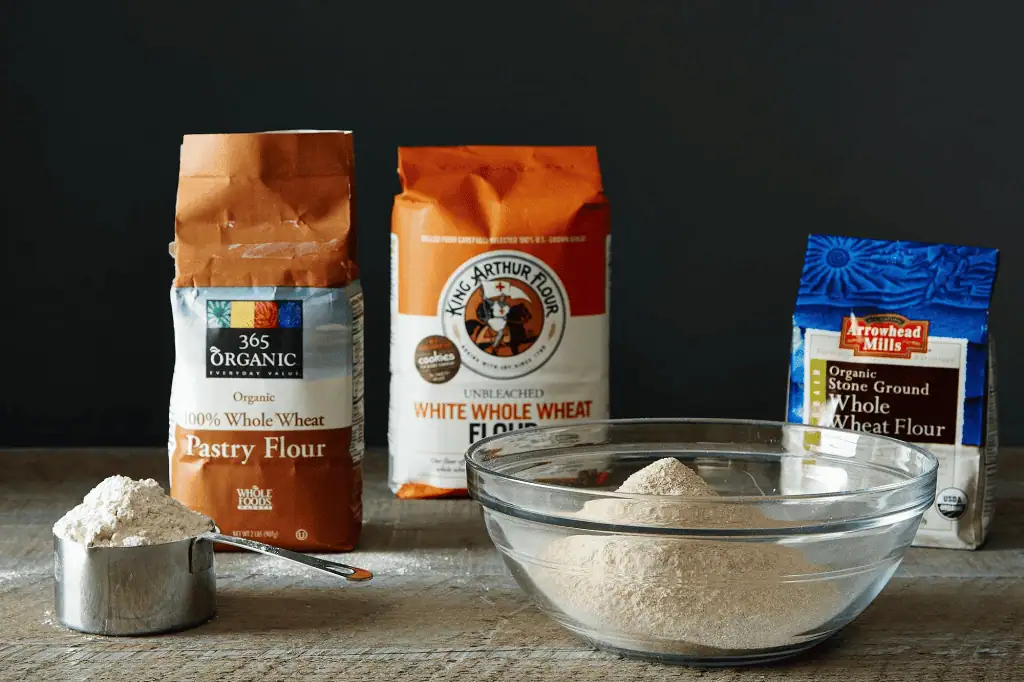
Flour was never optional in a 1960s pantry. It functioned as the foundation of daily cooking, used for bread, biscuits, dumplings, gravy, sauces, and last-minute meals. Moms kept large bags on hand because flour represented self-reliance. With flour, you didn’t need specialty ingredients or strict recipes, just instinct and practice. Even if it sat unused for weeks, it wasn’t seen as waste or clutter. It was insurance. Throwing it away felt unnecessary when it could always be turned into something filling and familiar.
Sugar

White sugar stayed in pantries regardless of trends or health concerns. It was treated as a practical ingredient rather than an indulgence, used confidently in baking, preserves, coffee, and simple desserts. Moms understood sugar as a tool that balanced flavors and stretched ingredients, not something to fear or eliminate. As long as it stayed dry, it was considered permanent. The idea of discarding sugar because it had been sitting too long would have felt illogical. Sugar didn’t expire in spirit, it waited patiently until needed.
Rice
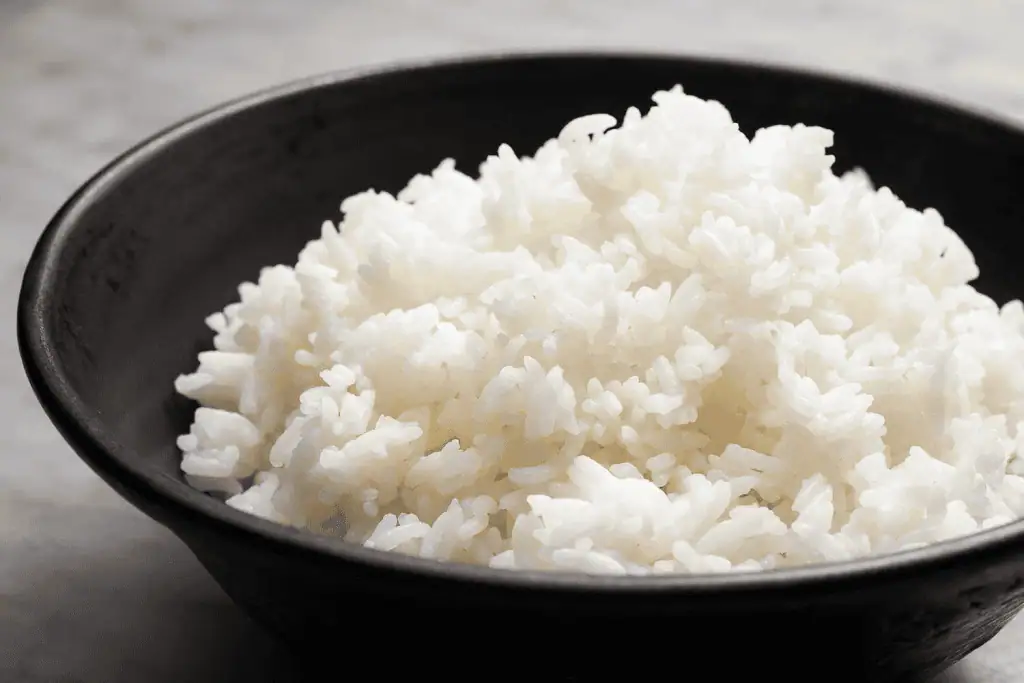
Rice was valued for its quiet reliability. Stored in tins or sturdy bags, it was pulled out when meals needed stretching or budgets tightened. Rice-filled plates were cheaply paired with nearly anything and didn’t demand attention. It didn’t spoil quickly, didn’t rely on refrigeration, and didn’t require creativity to be useful. Moms trusted rice because it behaved predictably. It wasn’t exciting or flavorful on its own, but it showed up when other options ran out. That dependability made it untouchable.
Dry Beans

Dry beans were considered pantry gold. Pinto, navy, or lima beans sat quietly until time allowed for soaking and slow cooking. Moms accepted the preparation because the payoff was significant: large pots of food that could feed families for days. Beans weren’t judged by convenience, but by value. They were inexpensive, filling, and deeply sustaining. Keeping them on hand meant security. Even if they went unused for months, they weren’t questioned. Their presence alone signaled readiness for hard weeks or unexpected needs.
Canned Tomatoes
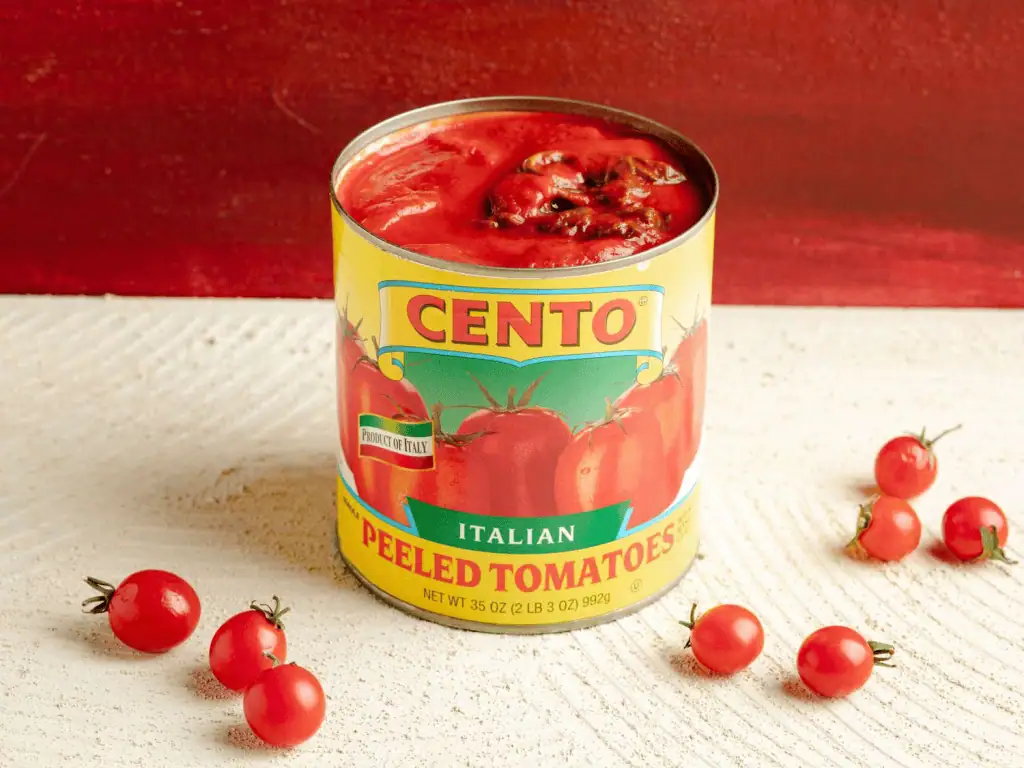
Canned tomatoes were seen as endlessly useful and rarely discarded. They formed the backbone of sauces, soups, stews, and casseroles, especially when fresh produce was limited or expensive. Moms didn’t obsess over dates the way modern shoppers do. If the can was intact, it stayed. Tomatoes meant flavor on demand, acidity to balance heavy meals, and familiarity in winter cooking. They were a shortcut without guilt, trusted to deliver taste whenever needed, which earned them a permanent place on the shelf.
Evaporated Milk

Evaporated milk lived in cupboards as a quiet backup plan. It stepped in when fresh milk ran out, enriched sauces and casseroles, and saved baking plans without warning. It wasn’t glamorous or treated as special, but it was trusted completely. Moms valued it because it solved problems without creating new ones. It didn’t spoil quickly, didn’t demand refrigeration, and didn’t announce itself. Having it on the shelf meant flexibility. Even if it sat untouched for months, it wasn’t forgotten it was reassurance waiting patiently for the moment it was needed.
Cooking Oil or Shortening

Cooking fat, whether liquid oil or solid shortening, was treated as non-negotiable. It was required for frying, baking, and making food taste complete. These items stayed in the pantry or cupboard until they were fully used. Freshness dates weren’t a concern; usefulness was. Tossing fat felt wasteful, especially when it could still cook a meal or stretch ingredients. Storage and accessibility mattered more than optimization. Fat represented function and sufficiency, not indulgence, making it one of the last things a 1960s pantry would ever be without.
Vinegar

Vinegar earned permanent status through sheer versatility. It seasoned food, preserved vegetables, balanced flavors, and corrected cooking mistakes. Outside the kitchen, it cleaned surfaces and handled household tasks. Because vinegar didn’t spoil, it was never questioned or rotated out. Moms kept it simple because it worked in too many situations to discard. Vinegar symbolized practical thinking, one product serving multiple purposes without waste. Its presence wasn’t about cooking trends or recipes. It was about having a solution ready, whether the problem was culinary or domestic.
Salt
Salt was foundational and unquestioned. It seasoned meals, preserved food, and lasted indefinitely. Moms refilled salt containers without ever considering disposal. A pantry without salt would have felt incomplete rather than minimal. It wasn’t viewed as an ingredient to manage or limit; it was a necessity. Salt represented permanence, something reliable that never expired in practice. Keeping it wasn’t a choice or habit; it was assumed. In a 1960s kitchen, salt wasn’t clutter; it was proof that the pantry was functional and ready for whatever cooking required.
Baking Powder and Baking Soda
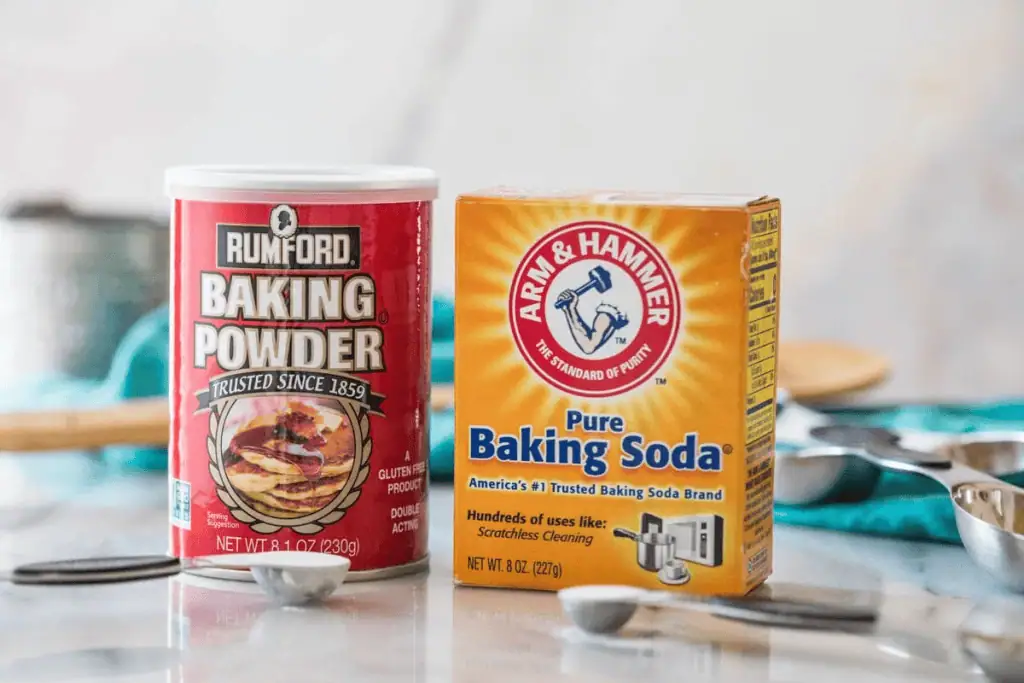
Baking powder and baking soda stayed in cupboards far longer than modern advice would recommend. Moms didn’t replace them on schedules or dates; they tested them when needed and trusted the result. If they bubbled or lifted, they stayed. These ingredients weren’t treated as disposable or precious; they were practical tools. Throwing them away without proof of failure felt unnecessary. Baking supplies were kept until they stopped working, not until a label suggested otherwise. That mindset reflected a broader belief that usefulness, not freshness theory, determined when something belonged in the pantry.
Peanut Butter

Peanut butter earned its place through sheer reliability. It was filling, nutritious, shelf-stable, and universally accepted by kids. It covered sandwiches, snacks, and last-minute meals when options were thin. Even half-used jars weren’t discarded casually. As long as it was edible, it stayed. Peanut butter represented security, something dependable when the fridge looked bare or time ran out. Keeping it meant knowing no one would go hungry, even on disorganized days. That assurance mattered more than tidiness or rotation rules.
Canned Soup

Canned soup wasn’t considered lazy or second-rate. It was strategic. It functioned as a full meal, a base for casseroles, or a fallback on nights when cooking wasn’t possible. Moms kept soup for sick days, emergencies, or unexpected company. The cans often sat untouched for long stretches, and that was intentional. Their value came from availability, not frequency of use. Throwing them away would have defeated their purpose. In a 1960s pantry, soup wasn’t clutter, it was readiness stacked neatly on a shelf.


