
12 Foods That Changed the World (More Than You Realize)

Food doesn’t just feed us, it has the power to shape history. From sparking global trade routes to fueling revolutions, certain foods have altered economies, cultures, and even the way nations rose and fell. Think of how potatoes staved off famine, or how coffeehouses brewed revolutions. In this list, we’ll explore 12 foods that didn’t just satisfy hunger but truly changed the course of the world in ways you might not expect.
Bread: The Foundation of Civilization

Bread, a staple across myriad cultures, forms the bedrock of culinary evolution. Its basic components, flour, water, and yeast, unite to create a versatile food capable of feeding masses. Baking bread involves the science of fermentation and gluten development, unlocking a texture that is both airy and substantial. Mastering bread-making allows cooks to appreciate its role as a symbol of sustenance and sharing, as well as its contribution to settled societies.
Salt: The Ancient Preserver

Salt, often undervalued, has preserved food and molded civilizations since antiquity. Its ability to draw out moisture prevents spoilage, making it essential for long-term storage. Recognizing the balance between seasoning and curing is critical for any cook looking to harness salt’s full potential. Historical trade routes evolved around salt, highlighting its value beyond the kitchen, influencing economies, and supporting preservation techniques still relevant today.
Potatoes: Fueling Global Growth

Introduced to Europe from the Americas, potatoes rapidly became a staple. Their adaptability to various climates and soil types makes them a reliable carbohydrate source. When cooking potatoes, techniques such as boiling, roasting, or mashing accentuate their creamy texture and dense nourishment, providing diversity in applications. Potatoes have fueled population growth and remain an invaluable crop worldwide.
Sugar: The Sweet Revolution

Sugar’s influence extends beyond its sweetness, shaping economies and social structures. Initially a luxury, it spurred the global sugar trade and, unfortunately, the labor inequities tied to its production. In the kitchen, understanding the properties of sugar as a sweetener, caramelizer, and texture enhancer is crucial. It enables bakers to craft confections and transform dishes, illustrating sugar’s dual capacity to delight and challenge.
Coffee: A Brew That Stirred Minds

Coffee has influenced cultures and economies, becoming a global necessity. When preparing coffee, consider the grind size and water temperature to unlock its aromatic oils. Use fresh beans to accentuate complex flavors, whether fruity or nutty. Try a pour-over method for control over extraction, resulting in a balanced, nuanced cup. Coffee isn't just a drink; it's a catalyst for conversation and creativity, integral to many societies.
Tea: The Leaf That Tamed Empires

Tea’s role in history is profound, encompassing trade and cultural rituals. Selecting the right tea leaves is crucial; opt for whole leaves to ensure a more vibrant infusion. Use water just below boiling for green and white teas, while black tea withstands higher temperatures. Steeping time greatly affects taste; too long can turn it bitter, too short can leave it weak. Proper tea preparation encourages mindfulness, making it more than a simple beverage.
Corn: The Crop of Cultures

Corn has sustained civilizations with its versatility. When cooking corn, grilling it with the husk on retains moisture, imparting a smoky sweetness. Fresh kernels are ideal for a crisp, juicy texture in salads or salsas. Cornmeal is perfect for bread or polenta, offering a hearty, comforting base. Beyond taste, its adaptability makes corn a staple across diverse culinary traditions, influencing dishes worldwide.
Rice: Staple of Billions
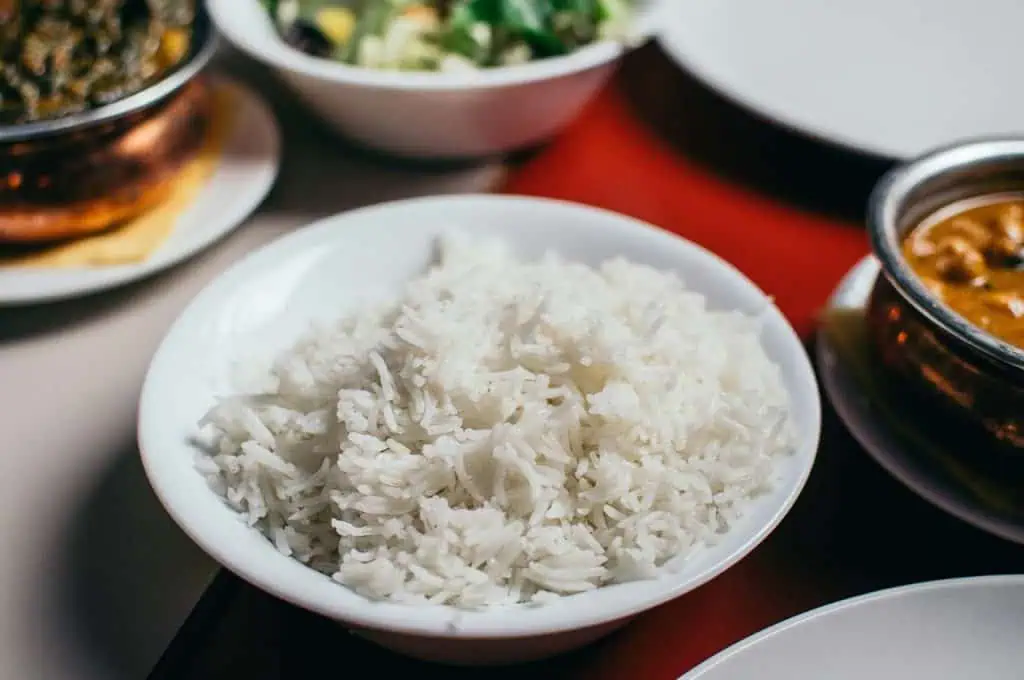
Rice is fundamental to many diets, offering endless variety. Each type serves a purpose: jasmine and basmati are fragrant, ideal for standalone dishes; arborio is perfect for creamy risottos. Rinsing rice removes excess starch, resulting in fluffy grains. The absorption method, a controlled simmer, is preferred for precision. Rice embodies culinary mastery through its simplicity, underlying countless beloved meals.
Chocolate: The Divine Bean

Chocolate, derived from cacao, has been cherished for centuries. When selecting chocolate, focus on cocoa content for desired sweetness or bitterness. Melting chocolate demands care; use a double boiler to prevent scorching. For maximum flavor, tempering enhances its shine and snap. Chocolate's complex layers, from fruity notes to deep bitterness, make it not just a treat but an indulgence rich in history and allure.
Chili Peppers: Spicing Up History
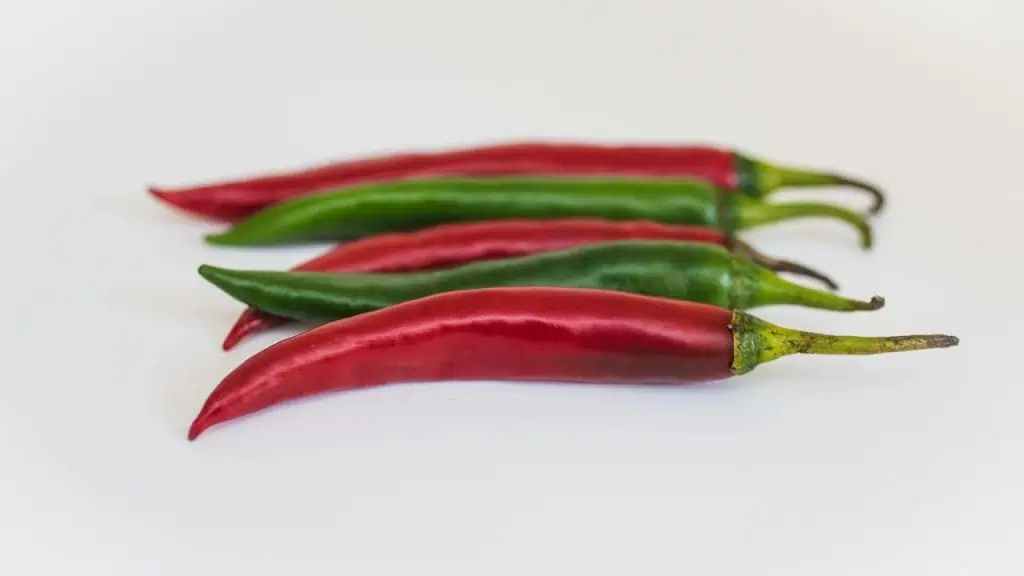
Chili peppers have dramatically influenced global cuisines with their fiery zest. When incorporating chili peppers into your dishes, consider not only their heat but also their flavor notes, ranging from smoky to fruity. To reduce the spiciness, remove the seeds and inner membranes, but remember, roasting can further mellow their intensity. Add freshly chopped chilies to marinades or stews to invigorate the dish with warmth and complexity. Their ability to enhance flavors without overpowering makes them a versatile addition to numerous recipes.
Bananas: From Jungle to Global

Bananas, with their soft texture and natural sweetness, have seamlessly integrated into both traditional and modern culinary practices. When selecting bananas, opt for those with slight green tinges for cooking; they hold up better under heat. For baking, fully ripened bananas yield a sweeter, more flavorful result. Use them in cakes, smoothies, or as a natural sweetener in oatmeal. Their ability to thicken and add moisture makes them a staple beyond mere snacking, a true testament to their worldwide appeal.
Tomatoes: Transforming Cuisines

Tomatoes have revolutionized global gastronomy, offering rich, tangy bases for countless dishes. To elevate the depth of your sauces, roast tomatoes with olive oil and herbs before blending; this enhances their natural sweetness. When choosing, look for vibrant, firm tomatoes, they tend to burst with flavor. Raw tomatoes lend a refreshing quality when diced into salads or salsas. Their versatility extends to preserving methods like canning or drying, allowing their robust profiles to shine year-round across various culinary traditions.


