
12 Foods from the Wild (Raw, Forest, and More that Taste Incredible)

Long before agriculture standardized taste, wild foods shaped how humans understood flavor. These ingredients grew without control, fertilizer, or selective breeding, developing stronger aromas, sharper bitterness, and deeper complexity. Today, interest in wild foods is growing again, not for survival, but for authenticity and connection to place. From forests and shorelines to rivers and fields, wild foods offer textures and tastes that feel alive, seasonal, and intensely real in ways cultivated foods rarely match.
Wild Berries
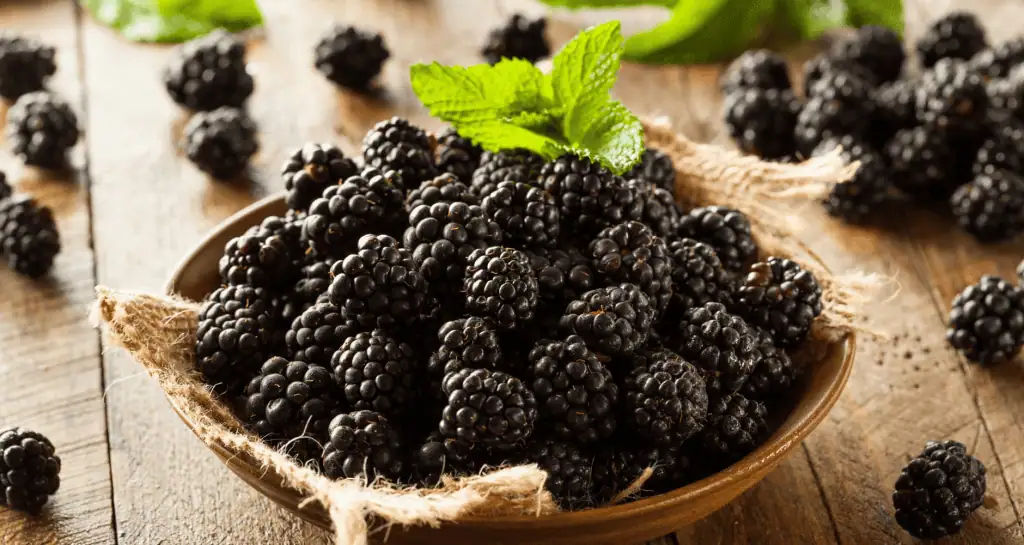
Wild berries differ dramatically from farmed varieties because they grow under stress, producing more concentrated flavor. Smaller in size, they deliver sharper sweetness and acidity, with each handful tasting slightly different. Blueberries, raspberries, and blackberries from the wild feel vibrant rather than uniform. Their appeal lies in unpredictability, showing how lack of control often produces richer taste and why wild fruit feels more expressive than cultivated alternatives.
Morel Mushrooms
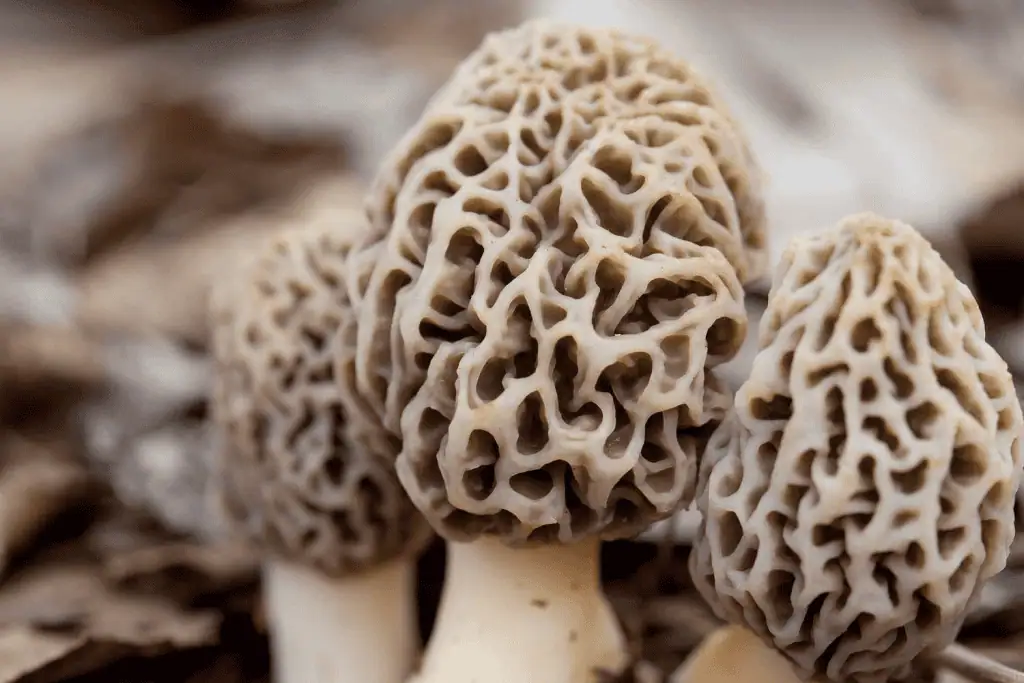
Morel mushrooms are prized for their earthy, nutty flavor and sponge-like texture that absorbs aroma beautifully. They grow briefly in spring, often after specific weather conditions, making them rare and seasonal. Unlike cultivated mushrooms, morels reflect soil, moisture, and forest health. Their scarcity adds value, but it’s the depth of flavor that proves why wild fungi are considered unmatched in culinary richness.
Wild Garlic (Ramps)
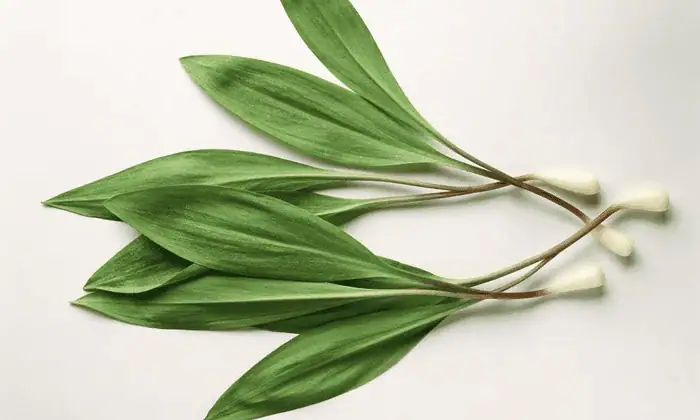
Wild garlic, commonly known as ramps, delivers an intense blend of onion and garlic flavors. Found in shaded forests during early spring, ramps emerge for only a short time each year. Their sharp aroma and tender leaves make them powerful even in small amounts. Ramps represent the excitement of seasonal wild foods, where timing and restraint matter as much as taste itself.
Seaweed
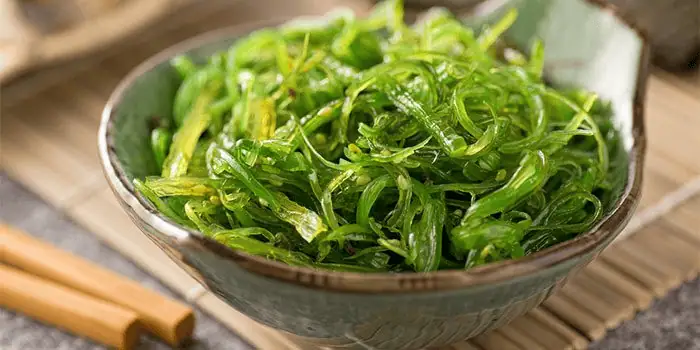
Wild seaweed grows naturally along coastlines, absorbing minerals directly from seawater. Varieties such as kelp and nori offer deep umami, natural saltiness, and subtle sweetness without processing. Their texture and flavor change depending on tide and location. Seaweed’s appeal lies in purity, proving that some wild foods arrive already balanced, complete, and deeply savory straight from nature.
Wild Honey

Wild honey reflects the landscape it comes from, changing flavor based on flowers, herbs, and trees nearby. Unlike commercial blends, it carries distinct notes that can be floral, herbal, or earthy. Each harvest is unique, shaped by season and environment. Wild honey demonstrates how uncontrolled sourcing produces character, making sweetness feel complex rather than uniform or predictable.
Chestnuts
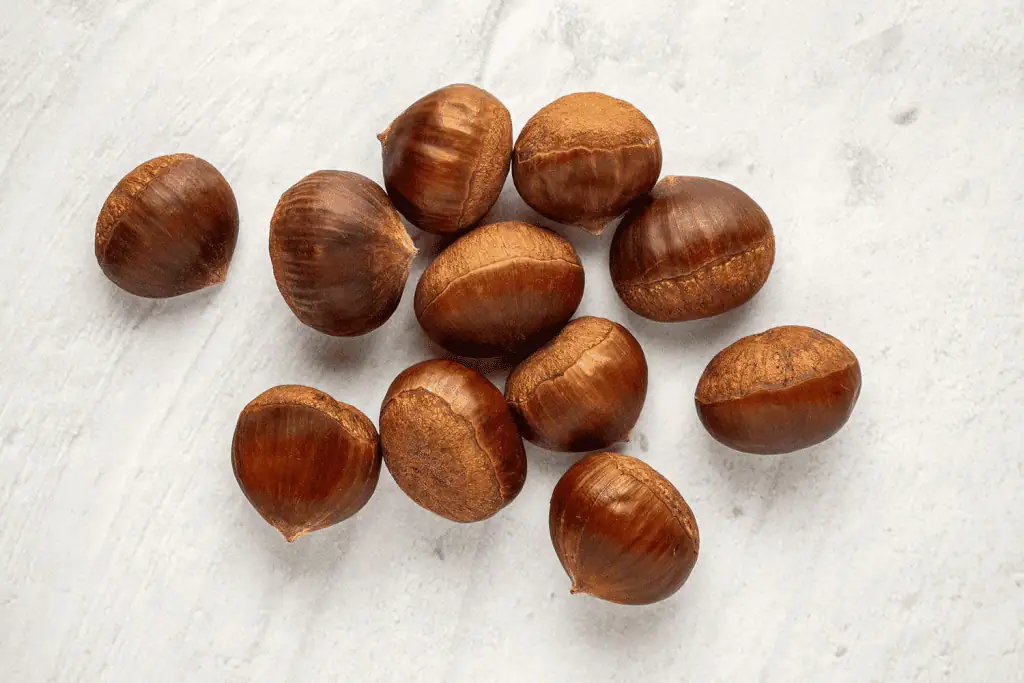
Wild chestnuts offer mild sweetness and a soft, starchy texture when cooked. Unlike high-fat nuts, they feel comforting and filling rather than rich. For centuries, chestnuts served as staple foods in forested regions. Their flavor pairs well with both savory and sweet dishes. Chestnuts show how wild foods can feel grounding and familiar, not extreme or challenging.
Wild Greens
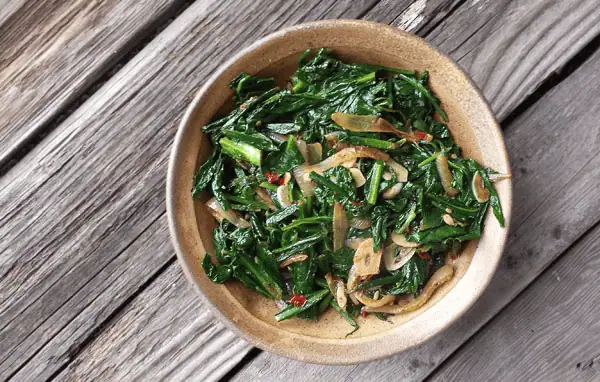
Wild greens such as dandelion, nettle, and sorrel grow resiliently in harsh environments, developing bold bitterness and mineral depth. Their flavors are sharper than cultivated greens, adding balance rather than softness. When prepared properly, wild greens bring complexity to meals. They remind us that bitterness once played a central role in human diets, offering satisfaction beyond sweetness alone.
Freshwater Fish
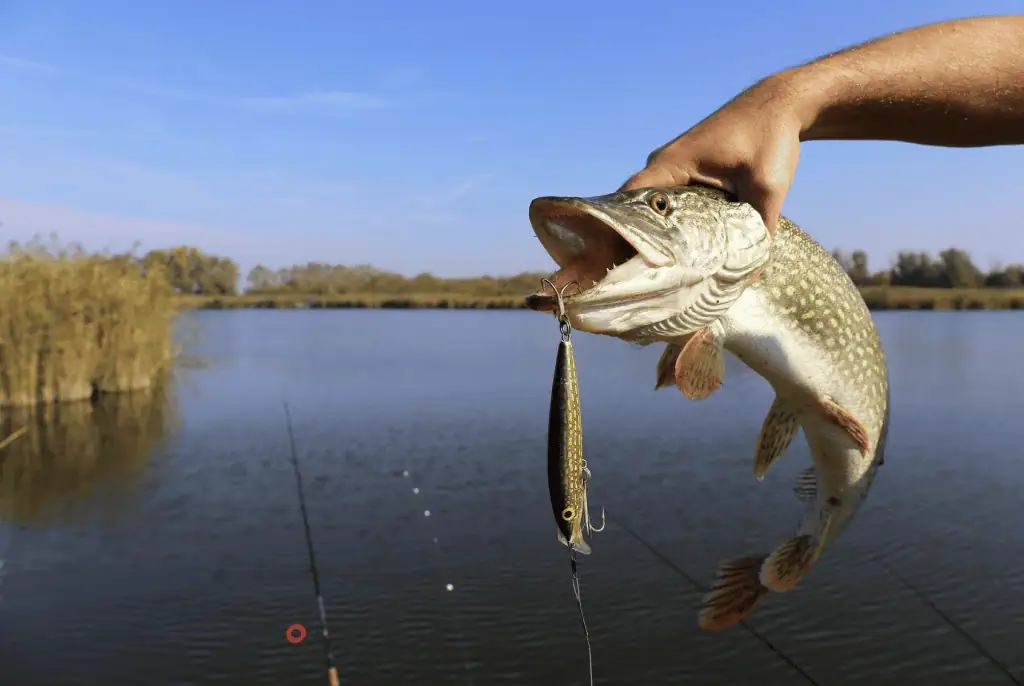
Wild freshwater fish develop firm texture and distinctive flavor from natural diets and constant movement. Unlike farmed fish, they reflect local ecosystems, making their taste region-specific. Their appeal comes from freshness and authenticity rather than uniformity. Wild-caught fish connect eaters directly to place, showing how the environment shapes flavor as much as the species itself.
Pine Nuts
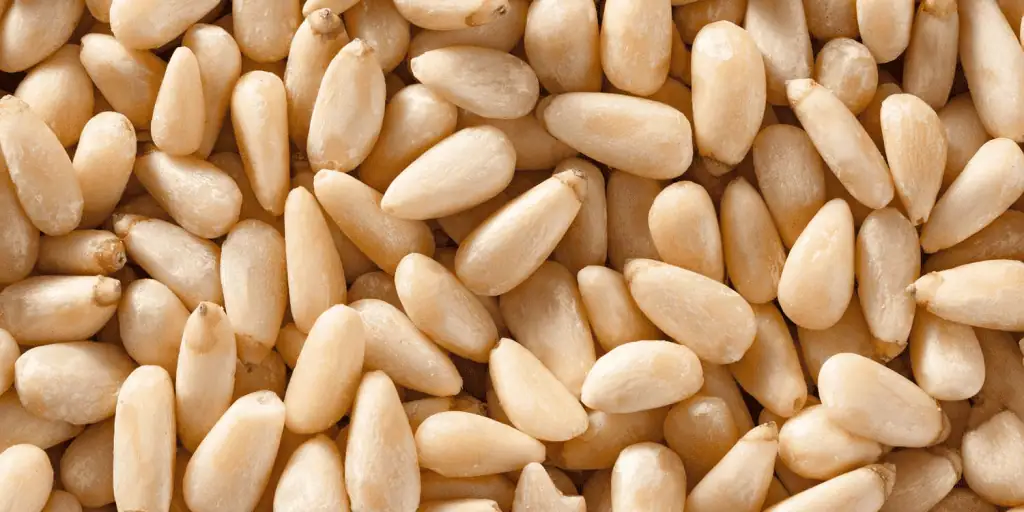
Wild pine nuts are smaller and more aromatic than cultivated varieties, delivering rich, buttery flavor. Harvested by hand from pine cones, they require significant effort to collect. This labor contributes to their value, but the reward is depth and intensity. Pine nuts illustrate how wild foods often trade convenience for superior taste and character.
Wild Apples and Crabapples

Wild apples and crabapples are firmer and more acidic than cultivated types. Their sharpness makes them better suited for cooking and preserving rather than raw eating. These fruits prioritize balance and intensity over sweetness. They show how modern breeding softened flavors, while wild fruit retained complexity that feels bold and purposeful.
Shellfish from the Shore
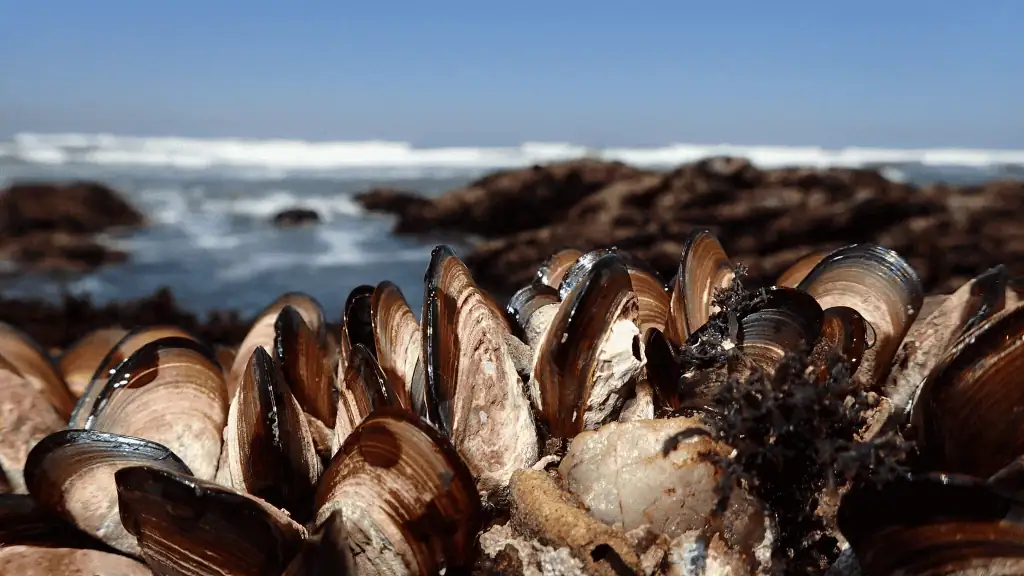
Wild shellfish such as mussels and clams absorb flavor directly from seawater, creating taste that reflects tide, season, and location. Minimal preparation highlights their natural briny sweetness. These foods connect eaters immediately to the environment they come from. Shore-harvested shellfish prove that wild foods often need nothing added to feel complete.
Edible Flowers
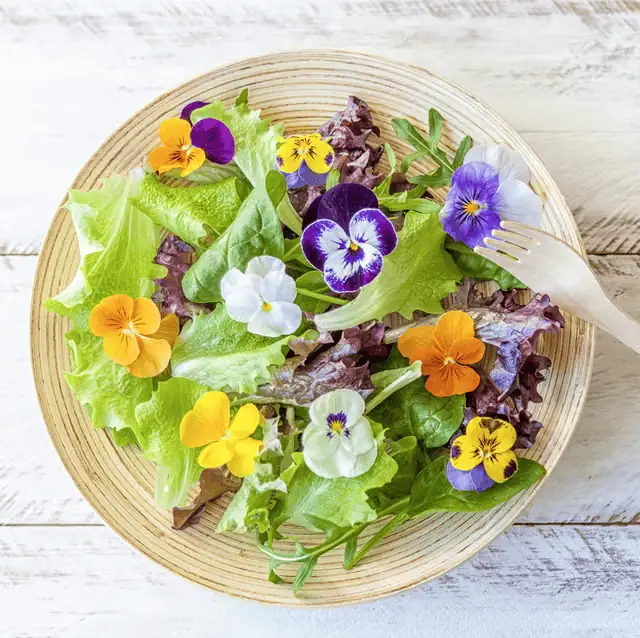
Wild edible flowers offer subtle flavor, fragrance, and visual elegance. Varieties like elderflower, nasturtium, and violets add brightness rather than intensity. Their appeal lies in nuance, reminding us that wild foods are not always bold. Sometimes they contribute delicacy, aroma, and quiet complexity that cultivated ingredients often overlook.


