
12 Ancient Foods Still on Our Plates Today

Ancient foods, with their deep-rooted histories, continue to enrich our modern diets. These ingredients have been staples for civilizations, providing nutrition and flavor that withstand the test of time. As we explore these enduring foods, we'll uncover why they remain relevant and valued today.
Unveiling the Ancient Grain: Quinoa

Quinoa, a staple in Andean civilizations, offers a wealth of nutrients, including all nine essential amino acids. Its nutty flavor and satisfying texture make it versatile in both salads and warm dishes. Rinse quinoa thoroughly before cooking to remove its natural saponin coating, which can impart bitterness. Simmer it at a 1:2 quinoa-to-water ratio for a fluffy result. Its adaptability allows it to complement various cuisines, proving why it remains cherished.
Chia Seeds: The Aztec Superfood

Chia seeds, rich in omega-3 fatty acids, were prized by the Aztecs for their energy-boosting properties. When soaked, they develop a gel-like texture suitable for puddings and smoothies. To maximize their nutrient absorption, crush the seeds slightly before use. Their mild flavor integrates easily into savory and sweet preparations, adding a nutritional punch that’s seamlessly ancient yet modern.
Honey: Nature's Timeless Sweetener

Honey has been a beloved sweetener across ages, revered not only for its taste but also its antimicrobial properties. Its floral notes and varying viscosity make it a dynamic addition to marinades, dressings, and desserts. To preserve its enzymes, avoid heating honey above 40°C (104°F). Its complexity enhances both simple and sophisticated recipes, retaining its status as a cherished staple.
Lentils: A Staple Across Millennia

Lentils, favored for their earthy flavor and nutritional benefits, have nourished cultures for centuries. With varieties like green, brown, and red, each provides different textures and cooking times. Rinse lentils and sort through them prior to cooking. Use a 1:3 lentils-to-water ratio, simmering until tender. Their adaptability in soups, stews, and salads highlights their continued importance in global cuisines.
Barley: The Ancient Brew Ingredient

Barley, a versatile grain with deep roots in ancient civilizations, remains prominent in kitchens today. Its chewy texture makes it an excellent base for soups and stews. Barley flour contributes a unique depth to baked goods, offering a nutty flavor that complements earthy spices like cumin and coriander. To prepare, rinse the grains thoroughly and simmer in salted water or broth until tender. This grain's resilience against harsh climates has kept it a staple through millennia, prized in both culinary and brewing traditions for its multifaceted use.
Olives: From Mythology to Modernity

The olive, a symbol of peace and prosperity in ancient mythology, continues to enrich modern cuisine with its diverse applications. Whether cured and eaten whole or pressed into oil, olives are rich in antioxidants and healthy fats. To enhance their flavor, marinate olives with herbs and citrus zest. Olive oil, when used as a finishing drizzle, can bring out the richness in roasted vegetables or pasta dishes. Their versatility ensures they remain a culinary cornerstone, from preserving techniques to enhancing flavors across Mediterranean dishes.
Grapes: A Legacy of Liquids

Grapes, celebrated for their transformation into wines, are as indispensable today as they were in ancient viticulture. Beyond wine, they are enjoyed fresh, dried as raisins, or preserved in jams. Their natural sweetness is heightened through roasting or grill charring, making grapes a delectable addition to salads or dessert pairings. Grapes also contribute juice and vinegar forms, each offering unique acidity levels that can brighten up dressings and marinades. Their multifaceted uses exemplify their enduring culinary legacy across cultures.
Garlic: Ancient Healer and Flavor Booster

Garlic, heralded for its medicinal properties in ancient times, doubles today as a flavor powerhouse in countless dishes. Its robust, pungent aroma mellows into a sweet and nutty essence when roasted, making it a versatile ingredient. Crushing or mincing garlic releases its allicin—the compound responsible for its health benefits and intense flavor. Sauté garlic quickly in olive oil for pasta dishes, or use it raw in vinaigrettes to add sharpness. Its time-tested reputation for enhancing dishes underscores its ongoing culinary significance.
Fig: The Fertile Crescent Fruit

Figs have been cherished since the days of the Fertile Crescent, offering a luscious sweetness that enhances both savory and sweet dishes. When fresh, their soft, supple skin and juicy interior make them ideal for salads or pairing with cheese. Dried figs bring concentrated flavor, adding depth to baked goods or braised meats. To emphasize their natural sugars, grill or roast figs, caramelizing their edges for a rich taste. As a natural sweetener and texture enhancer, figs continue to inspire culinary creativity across global cuisines.
Pomegranates: Symbol of Life and Fertility

Pomegranates are renowned for their jewel-like seeds and their lush red color. To properly prepare and savor this ancient fruit, begin by scoring the skin with a sharp knife and gently prying it open. Submerge the sections in a bowl of water to easily release the seeds, allowing the white pith to float and separate naturally. Pomegranate seeds add a vibrant, crunchy element to salads and desserts. Their sweet-tart flavor pairs exquisitely with earthy ingredients like roasted beets or a marinade for lamb. Their historical symbolism of life and fertility continues to captivate cooks today.
Sesame: Seeds of History

Sesame seeds, small yet powerful, have been cultivated for thousands of years, prized for their rich nutty flavor. To enhance their aroma, toast them lightly in a dry skillet until they are golden brown. This process releases oils, intensifying flavor and transforming texture. Use these seeds as a final sprinkle over stir-fries or blended into a creamy tahini for an authentic hummus. The versatility of sesame allows it to elevate baked goods as well. Whether used whole, as oil, or in paste form, sesame's ancient presence remains a staple for dishes seeking depth and historical richness.
Millet: A Grain with Deep Roots
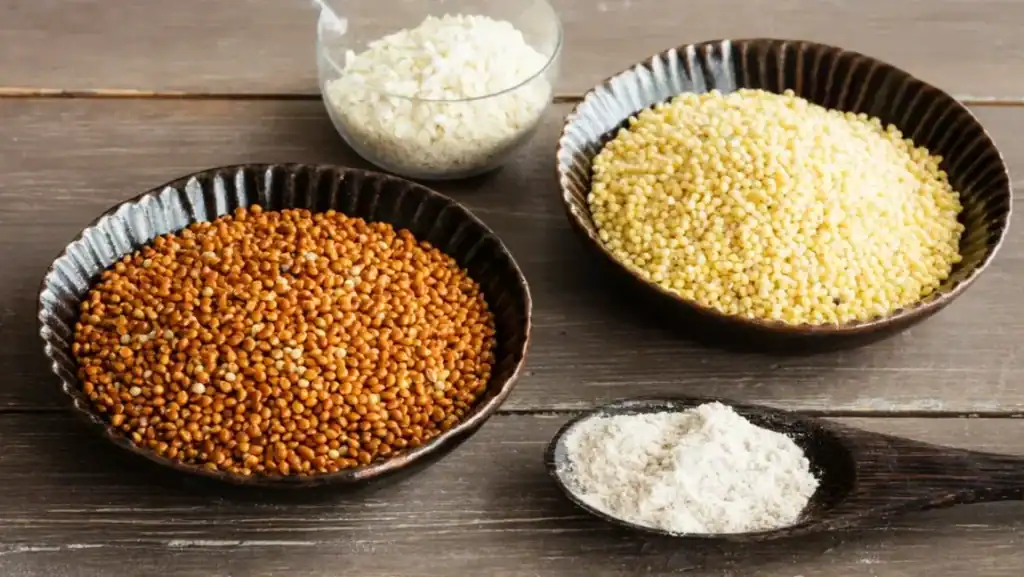
Millet is a versatile grain with a long heritage, offering subtle sweetness and a satisfying texture. To unlock its nutty flavor, toast the grains gently in a pan before cooking. Use a water-to-millet ratio of 2:1, simmering until the liquid absorbs for a fluffy consistency or adding more water for a creamy porridge. Millet adapts well to both savory dishes, like pilaf with sautéed onions and herbs, and sweet porridge with honey and fruits. Its resilient nature has sustained civilizations for centuries and continues to diversify modern diets with its wholesome, adaptable character.


