
11 Packaging Trends That Are Changing How We Think About Food Waste

Food packaging is evolving rapidly as sustainability becomes a critical focus in the culinary world. Traditionally overlooked, packaging now plays a vital role in reducing food waste through innovation. Transformative trends are emerging, driven by technology and consumer demand for eco-friendly solutions. These advancements not only minimize waste but also enhance the way we experience food. Understanding these trends helps home cooks and food businesses alike make informed choices that benefit both the environment and the palate.
Tasty Solutions: Edible Packaging

Edible packaging presents an intriguing intersection of sustainability and culinary creativity. These materials, often derived from seaweed, rice, or even potato starch, dissolve or can be consumed alongside the food, leaving no waste behind. This technique marries utility with flavor, as edible coatings can enhance the taste of the packaged item. By carefully selecting ingredients that complement the food, this trend transforms packaging from a necessary afterthought into a delightful culinary component, offering an innovative solution to traditional waste issues.
Compostable Films: Nature's Assistants

Compostable films break down naturally, aiding in waste reduction and soil enrichment. Made from renewable resources like polylactic acid or cellulose, these films provide effective barriers to moisture and air. They’re designed to decompose in home or industrial composts, leaving no harmful residues. This packaging supports environmental harmony by returning nutrients to the earth, offering an eco-conscious choice without compromising freshness or shelf-life. Understanding their application helps consumers make sustainable decisions, aligning daily practices with environmental stewardship.
The Rise of Plant-Based Materials

Plant-based packaging materials are gaining ground for their low environmental impact and renewability. Utilizing sources like cornstarch, hemp, and mushroom mycelium, these materials reduce reliance on fossil fuels and decrease carbon footprints. They perform similarly to conventional plastics in terms of strength and flexibility, yet they biodegrade naturally. This shift not only addresses ecological concerns but also encourages sustainable practices throughout the supply chain. Home cooks benefit by supporting these initiatives, contributing to a more sustainable food system.
Minimalist Packaging: Less is More

Minimalist packaging emphasizes simplicity, using fewer materials to reduce environmental impact. This approach prioritizes functionality without excess, often employing transparent designs that highlight the food's natural beauty. Materials are chosen for their recyclability and compactness, ensuring the packaging remains as environmentally friendly as possible. By eliminating unnecessary components, this trend promotes a leaner, more sustainable model. For home cooks, it underscores the importance of selecting and supporting products mindful of minimizing waste from production to consumption.
Smart Labels: The Future of Freshness

Smart labels are revolutionizing how we monitor food quality. These labels often embed sensors or QR codes that track temperature changes and shelf life, offering real-time updates on a product's freshness. Such advancements empower consumers to make informed decisions by providing more than just a printed expiration date. Embracing this technology helps reduce food waste by clearly indicating when an item is truly past its prime, enhancing both safety and sustainability in the kitchen.
Reusable Containers: The New Norm

Reusable containers are gaining popularity as consumers seek to minimize single-use packaging. Designed to maintain freshness while being easy to clean and durable, these containers promote reduced waste and cost savings over time. Many options now include features like vacuum seals and stackable designs, optimizing storage space and preserving food quality. Integrating these containers into daily routines supports a more sustainable lifestyle while offering practicality and convenience.
Upcycled Packaging: Waste No More

Upcycled packaging transforms what would otherwise be waste into valuable materials. By using agricultural byproducts or recycled materials, companies create new packaging solutions that are both eco-friendly and efficient. This not only minimizes the environmental impact but also supports efforts to reduce landfill contributions. Such innovative practices encourage a shift towards a circular economy, where waste is continually repurposed, promoting a more sustainable future.
Perfect Portions: Portion-Sized Packs

Portion-sized packaging helps mitigate food waste by providing just the right amount needed for a meal or snack. These packs cater to varying consumer needs, ensuring that no excess food goes to waste. Ideal for single servings, this approach is perfect for those mindful of both diet and waste reduction. Additionally, precise portions simplify meal prep, offering convenience without compromising on quality or flavor, making it easier to maintain fresh ingredients.
Transparent Supply Chains: Trust in Packaging

Transparent supply chains build consumer trust by providing detailed information on a product’s journey from source to shelf. Packaging that clearly communicates the origins, processing, and logistics of food items empowers consumers to make conscientious purchasing decisions. This clarity encourages accountability and reinforces confidence in the quality and sustainability of the products, fostering a greater connection between consumers and the food industry.
Lightweight Design: Efficiency in Packaging
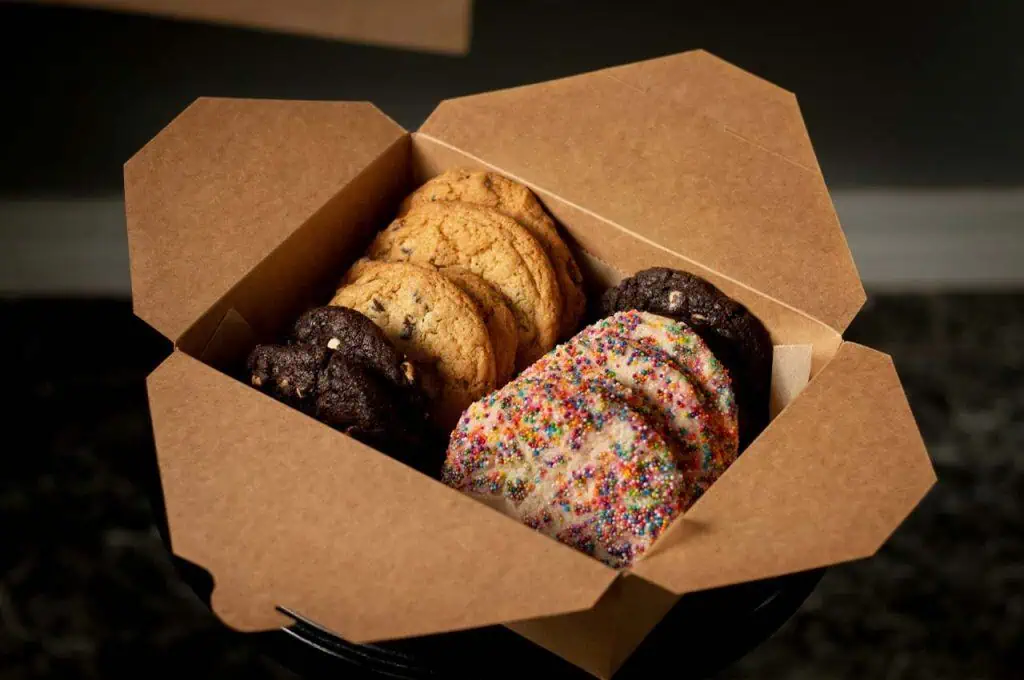
Lightweight packaging drastically reduces material use without sacrificing protection. Key advancements involve thinner yet stronger materials, improving both cost efficiency and sustainability. By opting for minimalistic designs, companies cut down on the resources consumed during production and transportation, which translates to lower carbon footprints. It’s crucial to prioritize materials that maintain food integrity, ensuring freshness and shelf life. This evolution pushes innovation, encouraging brands to continuously optimize packaging design to address environmental concerns.
Luxury Meets Sustainability: Eco-Chic Choices

There’s a growing shift towards packaging that marries luxury with eco-consciousness. High-end brands are now opting for biodegradable and recyclable materials that exude elegance and sophistication. The use of natural fibers and organic inks elevates the unboxing experience while maintaining environmental responsibility. This trend highlights that eco-friendly options can offer premium aesthetics, encouraging consumers to indulge responsibly. By integrating sustainability into luxury, brands not only enhance their image but also contribute positively to the planet.


