
11 Foods People Are Secretly Avoiding in 2026

Food avoidance in 2026 looks very different from a decade ago. People aren’t just cutting obvious junk food; they’re quietly stepping away from items that once carried strong health halos. As nutrition literacy deepens and wellness culture matures, shoppers have grown more skeptical of foods that sound virtuous but feel misleading, overprocessed, or mentally exhausting to keep justifying. These products aren’t banned, shamed, or loudly rejected. They’re simply being left on shelves, intentionally and without drama, as people prioritize clarity, honesty, and emotional ease over symbolic “healthy” choices.
Flavored Greek Yogurt Cups

Greek yogurt still carries a health-forward reputation, but flavored single-serve cups are increasingly being avoided. The issue isn’t protein content, it’s sugar, stabilizers, and the realization that “high-protein” often disguises dessert-level sweetness. In 2026, many shoppers are tired of negotiating labels every morning or rationalizing ingredients that don’t align with how the food feels. As a result, people are choosing plain yogurt that they can control or skipping yogurt altogether. The convenience remains, but the mental trade-off no longer feels worth it.
Plant-Based Meat With Long Ingredient Lists

Plant-based meats once felt like a breakthrough, offering familiar textures without animal products. In 2026, many consumers are pulling back not from plant-forward eating, but from products that feel increasingly engineered. Long ingredient lists filled with binders, flavor systems, and processing aids have made these foods harder to defend emotionally and nutritionally. Rather than convincing themselves that these are cleaner choices, shoppers are opting for simpler plant proteins like beans, lentils, or tofu. The shift reflects discomfort with ultra-processing, not rejection of sustainability.
Superfood Powder Blends

Greens powders, collagen mixes, and antioxidant blends once promised effortless wellness. Now they’re being quietly sidelined. Many consumers feel fatigued by vague claims, inconsistent results, and the pressure to optimize every smoothie or drink. In 2026, wellness fatigue is real, and products that promise everything without clear function or transparency are losing credibility. Even health-conscious shoppers are stepping back, choosing whole foods or fewer supplements rather than maintaining routines that feel more stressful than supportive.
Protein Snack Cookies

Protein cookies still appear responsible on the surface, but many shoppers are done pretending they enjoy them. In 2026, snacks that require excessive justification are losing appeal. These cookies often deliver mediocre taste, artificial sweeteners, and digestive discomfort while insisting they’re better choices. Consumers are increasingly choosing clarity over compromise, either a real dessert enjoyed intentionally or real protein that feels functional. The middle ground, where nothing truly satisfies, is quietly being abandoned.
Cold-Pressed Bottled Juices

Once held up as the gold standard of clean eating, bottled cold-pressed juices are quietly losing favor in 2026. High prices, noticeable sugar spikes, and low satiety have made people question their value. What was framed as a meal often leaves drinkers hungry soon after. As blood sugar awareness grows, the idea of replacing food with juice feels outdated. Many consumers now choose whole fruit for fiber and fullness or skip the purchase entirely, viewing bottled juice as expensive nutrition theater rather than practical nourishment.
Flavored Instant Oatmeal Marketed as “Wholesome”

Oatmeal itself still carries trust, but flavored instant packets are increasingly being left behind. Shoppers are paying closer attention to how much sugar hides behind comforting words like maple, apple, or cinnamon. In 2026, people want oats that feel grounding and simple, not engineered to taste like dessert. The convenience remains appealing, but the ingredient lists undermine the promise. Nostalgia no longer outweighs the math, and plain oats with customizable toppings feel more honest and satisfying.
Low-Calorie Ice Cream Alternatives

Low-calorie ice creams once promised guilt-free indulgence, but many consumers are quietly opting out. Disappointing textures, lingering aftertastes, and skepticism about ingredient engineering have eroded trust. In 2026, people are questioning why dessert needs to feel compromised. Instead of forcing themselves to enjoy substitutes, many choose smaller portions of real ice cream or skip dessert altogether. The shift reflects a preference for emotional satisfaction over nutritional loopholes, valuing quality and intention rather than artificial restraint.
Multigrain Crackers With Health Claims

Crackers labeled multigrain or baked once felt like responsible snack choices, but that perception is fading. In 2026, shoppers increasingly recognize these products as refined starch dressed up with wellness language. The presence of multiple grains no longer signals meaningful nutrition. Rather than continuing to buy snacks that rely on wording instead of substance, many people are choosing fewer snacks overall or turning to whole foods. The avoidance isn’t dramatic; it’s a quiet rejection of empty reassurance.
Probiotic Snack Foods
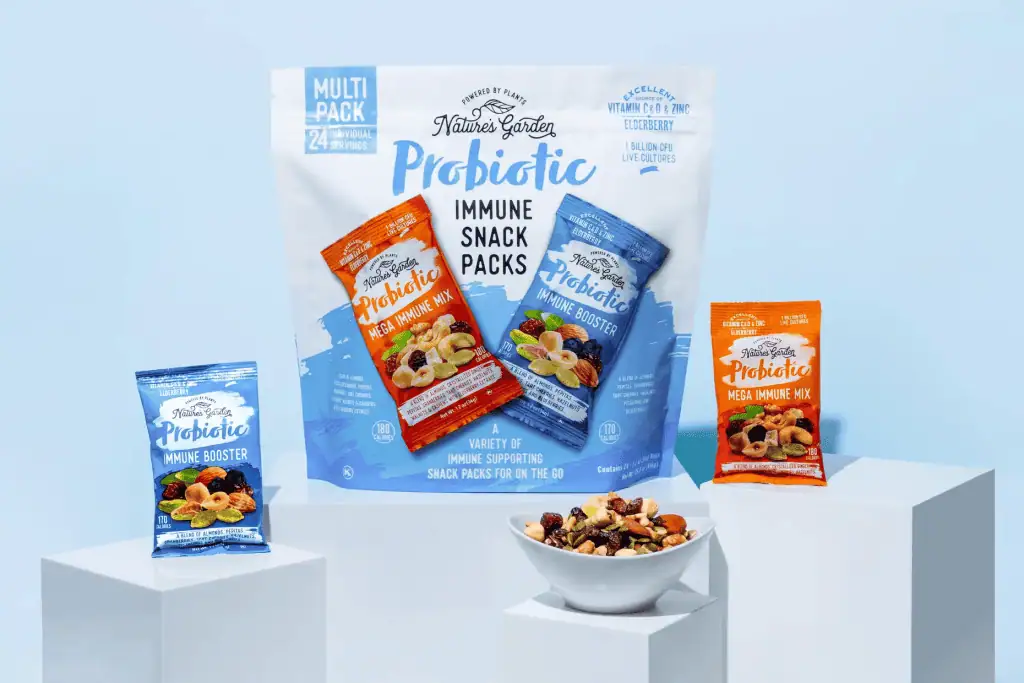
Probiotics once carried automatic credibility, signaling digestive health without much scrutiny. By 2026, that trust has weakened. Many shoppers now question whether bacteria in snack foods survive processing, storage, and shelf life, or whether the term is simply being used as a marketing shortcut. The skepticism isn’t anti-gut-health; it’s anti-claims. Consumers are gravitating toward foods that support digestion naturally, such as fermented staples or fiber-rich ingredients, rather than brightly packaged snacks that advertise probiotics without explaining strain viability, dosage, or real benefit.
Almond Flour Everything
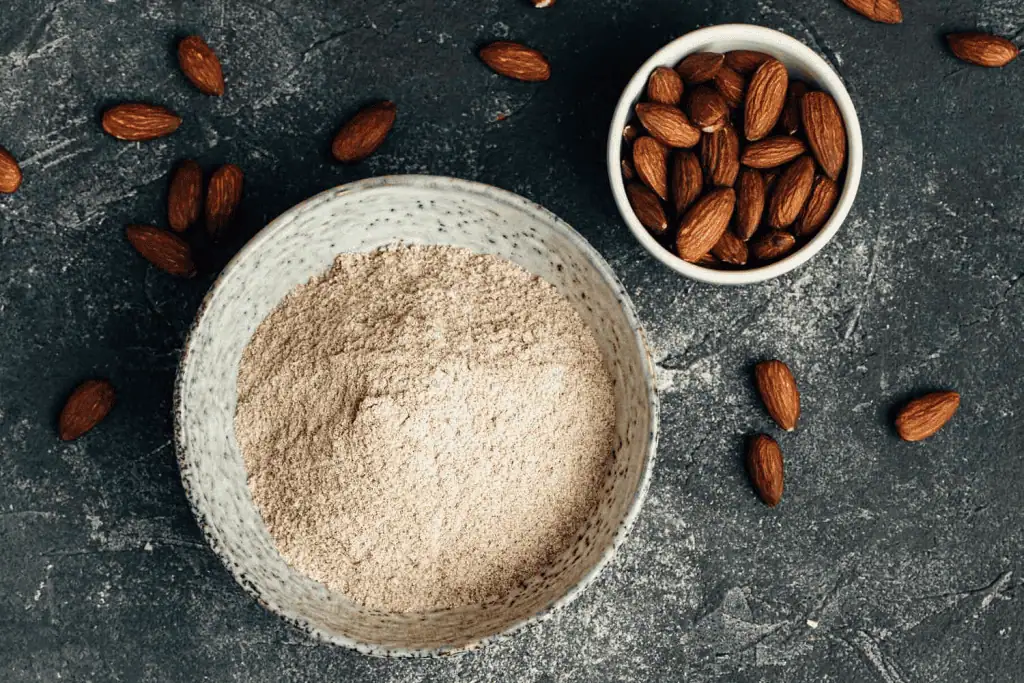
Almond flour once felt like a smart, modern alternative to refined grains, especially within low-carb or gluten-free eating. In 2026, its appeal had quietly faded. Rising costs, environmental concerns tied to almond farming, and questions about calorie density have led people to reconsider its value. Many now wonder whether swapping grains for nuts actually improved nutrition or just reframed indulgence as health. The novelty has worn off, and almond flour is no longer assumed to be a better choice; it’s simply another ingredient to evaluate critically.
“Clean Label” Packaged Snacks

Perhaps the most noticeable quiet avoidance in 2026 is packaged snacks labeled “clean” without a clear explanation. Shoppers are increasingly fatigued by moral language applied to food, especially when it lacks transparency. Words like clean, pure, or guilt-free now raise suspicion rather than confidence. Consumers aren’t rejecting packaged snacks outright, but they are skipping products that rely on vague wellness signaling instead of clear ingredient sourcing and function. The shift isn’t rebellious or ideological; it’s exhaustion-driven, rooted in a desire for clarity over branding.


