
10 World War I Foods That Kept Entire Nations Alive

World War I disrupted global food systems on an unprecedented scale. Blockades, rationing, labor shortages, and damaged farmland meant entire populations had to survive on limited resources for years. Governments promoted specific foods that were cheap, filling, and easy to produce, while households learned to stretch ingredients creatively. These foods weren’t chosen for taste or prestige but for survival value. Yet many of them became deeply ingrained in national diets, proving how necessity can permanently reshape eating habits. These ten foods played a critical role in sustaining civilians and soldiers alike.
Bread

Bread was the single most important survival food during World War I, forming the foundation of daily diets across Europe. Governments tightly controlled grain supplies, often producing “war bread” mixed with alternative flours like potato, barley, or rye to stretch wheat reserves. Though denser and less refined, bread provided essential calories and could be rationed evenly. Bakeries became strategic assets, and bread shortages frequently sparked unrest. Despite its simplicity, bread kept millions fed when more varied diets were impossible.
Potatoes

Potatoes became a vital substitute when grain supplies were limited. They were easy to grow, calorie-dense, and adaptable to poor soil conditions. Many families relied on potatoes as their primary source of energy, preparing them boiled, mashed, or in soups. Governments encouraged potato cultivation to reduce dependence on imported grain. Though monotonous, potatoes offered reliability and nourishment. Their ability to sustain populations through long shortages made them one of the most critical wartime foods.
Soup
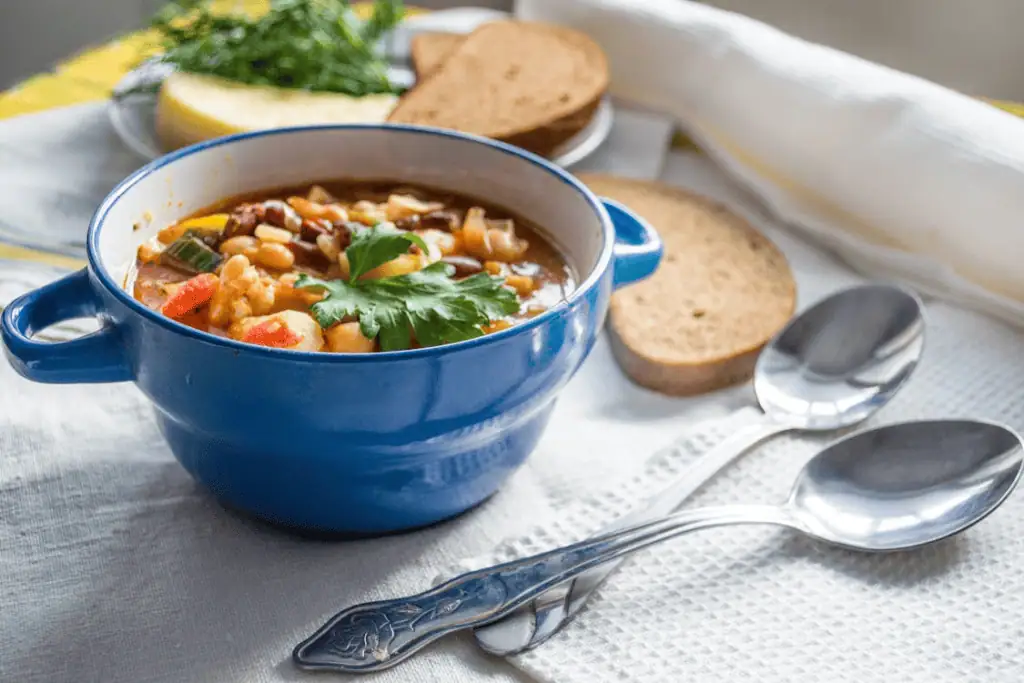
Soup was an efficient way to stretch limited ingredients and feed large groups. Made with bones, vegetables, grains, or legumes, it maximized flavor and nutrition from minimal resources. Community soup kitchens became common in cities facing extreme shortages. Soup allowed households to use scraps that would otherwise go to waste, providing warmth and hydration along with calories. During World War I, soup wasn’t just a meal it was a survival strategy for millions facing hunger.
Turnips
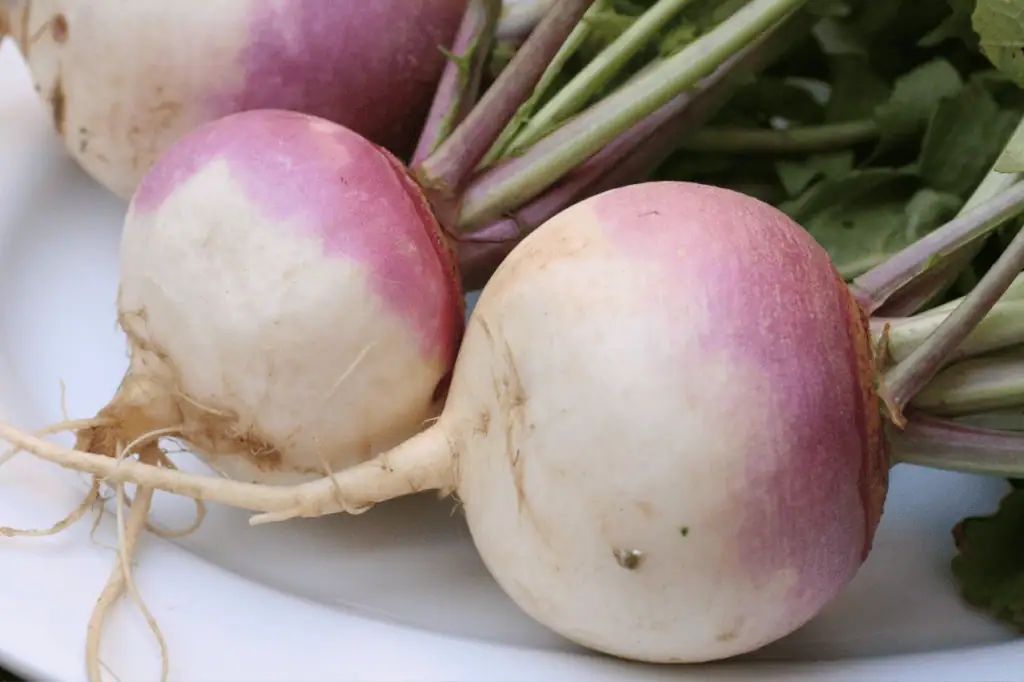
Turnips gained notoriety during wartime shortages, particularly in Central Europe. When potatoes and grains became scarce, turnips replaced them as a staple. Though unpopular, they were hardy, easy to grow, and capable of surviving harsh conditions. Turnips appeared in everything from soups to bread substitutes. While often remembered bitterly, they played a crucial role in preventing starvation. Their widespread use highlights how necessity forced people to adapt quickly to unfamiliar foods.
Oatmeal
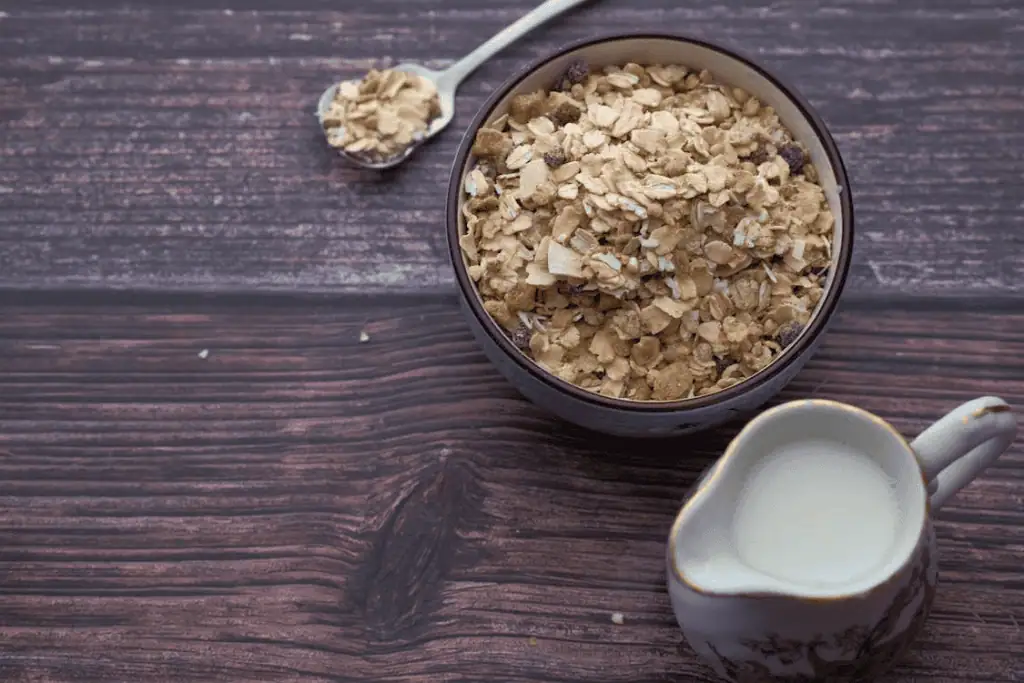
Oatmeal emerged as a reliable breakfast and sustenance food during World War I due to its affordability and nutritional value. Oats grew well in cooler climates and required fewer resources than wheat. Porridge provided long-lasting energy and could be prepared with water instead of scarce milk. It became especially important for children and laborers. Though plain, oatmeal offered consistency and nourishment, helping maintain basic health during years of rationing and uncertainty.
Cabbage

Cabbage was valued for its durability and long storage life. It could be grown locally, stored through winter, and prepared in numerous ways. In many countries, cabbage soup became a daily staple. Fermented forms like sauerkraut also provided vitamins when fresh produce was unavailable. Though repetitive, cabbage helped prevent nutritional deficiencies. Its role during World War I demonstrated how hardy vegetables became lifelines when supply chains collapsed.
Beans and Legumes

Beans and legumes served as critical protein sources when meat was scarce or unaffordable. Dried beans stored well and could be transported easily, making them ideal for wartime distribution. They were commonly used in stews and soups to create filling meals. Governments promoted legumes to reduce reliance on livestock, which required more resources. Their affordability and nutritional density made them essential to civilian survival during prolonged food shortages.
Margarine

Margarine replaced butter in many households as dairy production declined. Governments encouraged its use because it was cheaper and easier to manufacture in large quantities. Though often disliked initially, margarine provided necessary fats and calories. It became a standard ration item, spread on bread or used for cooking. Over time, it gained acceptance out of necessity. Margarine’s wartime role reshaped eating habits and normalized substitutes once considered inferior.
Sugar Beet Products

Sugar shortages led many nations to rely on sugar beets for sweeteners and calories. Beet sugar became a controlled commodity, and byproducts were used creatively in cooking. Though sweetness was limited, sugar beet products provided energy and morale. Preserving foods with beet sugar extended shelf life when refrigeration was unavailable. Its widespread use reflected how even small comforts mattered during wartime survival.
Ersatz Foods
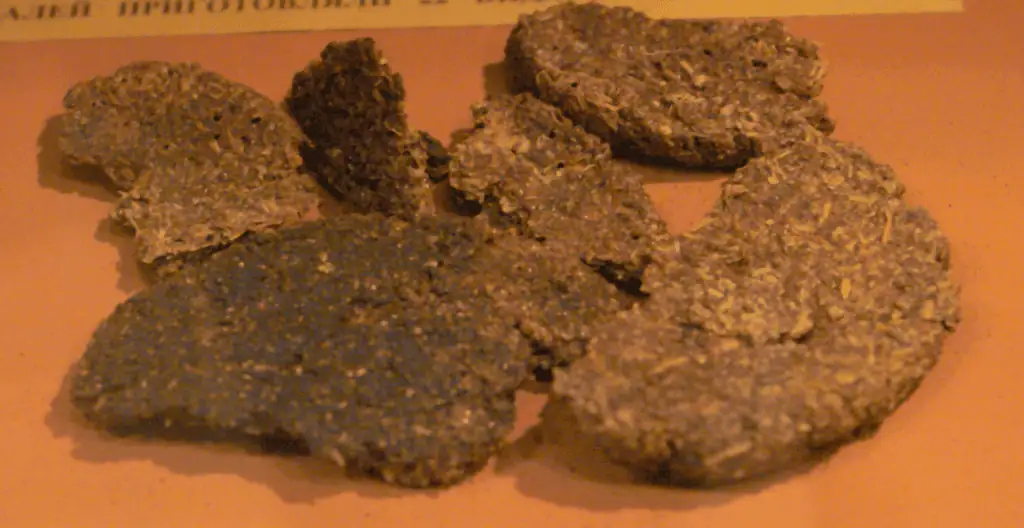
Ersatz foods were substitutes created to replace unavailable staples like coffee, meat, or flour. Made from roasted grains, acorns, or roots, they filled gaps when imports were cut off. While nutritionally imperfect, they provided familiarity and routine. Governments promoted these substitutes heavily to maintain morale. Ersatz foods symbolize how entire populations adapted psychologically and physically to scarcity, relying on ingenuity to endure prolonged hardship.


