
10 Supermarket “Secrets” Managers Say Shoppers Never Notice

Supermarkets are designed with strategies that subtly guide purchasing decisions. Shoppers, often unaware, encounter methods that enhance sales while maintaining an inviting atmosphere. Understanding these techniques can help consumers become more mindful during their grocery trips, potentially leading to smarter choices.
Eye-Level Pricing Magic

Placement of products at eye level is a calculated marketing move. These spots are prime real estate for brands, often holding higher-priced items due to their increased visibility. Shoppers scanning shelves are more likely to reach for these conveniently located products. For cost-conscious buyers, glancing above and below eye level can reveal more economical alternatives.
End-Cap Promotion Persuasion
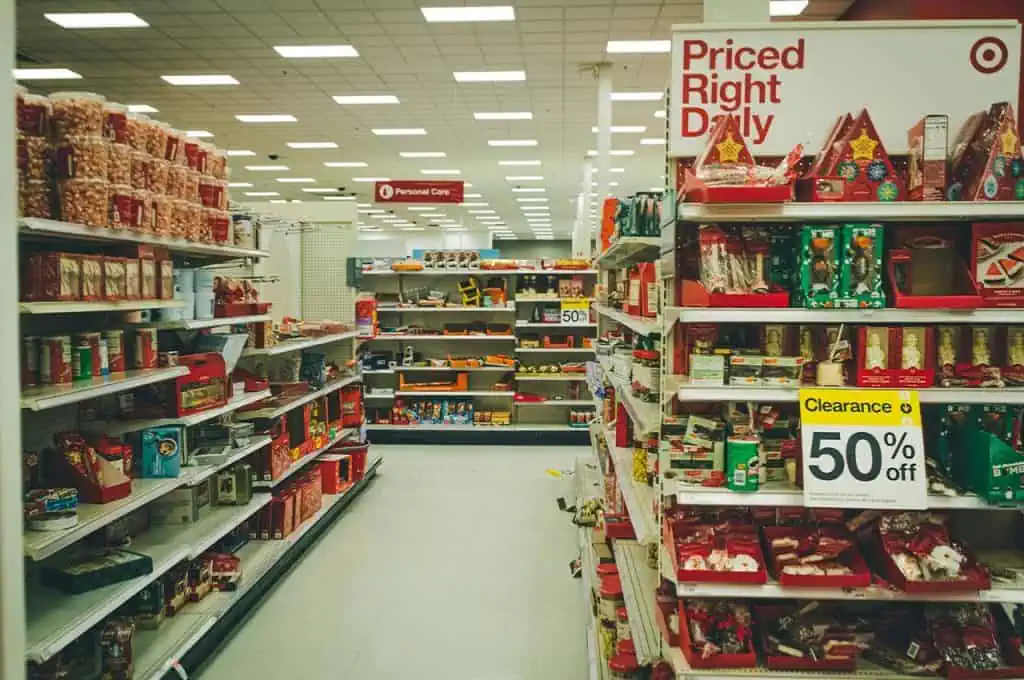
End caps, the displays at the end of aisles, are key merchandising tools. They often feature sale items or new products to attract attention as customers navigate aisles. The strategic positioning encourages impulse buys, leading to increased sales. Recognizing the promotional nature of these displays can help shoppers discern true deals from clever marketing.
Mood Enhancements with Music
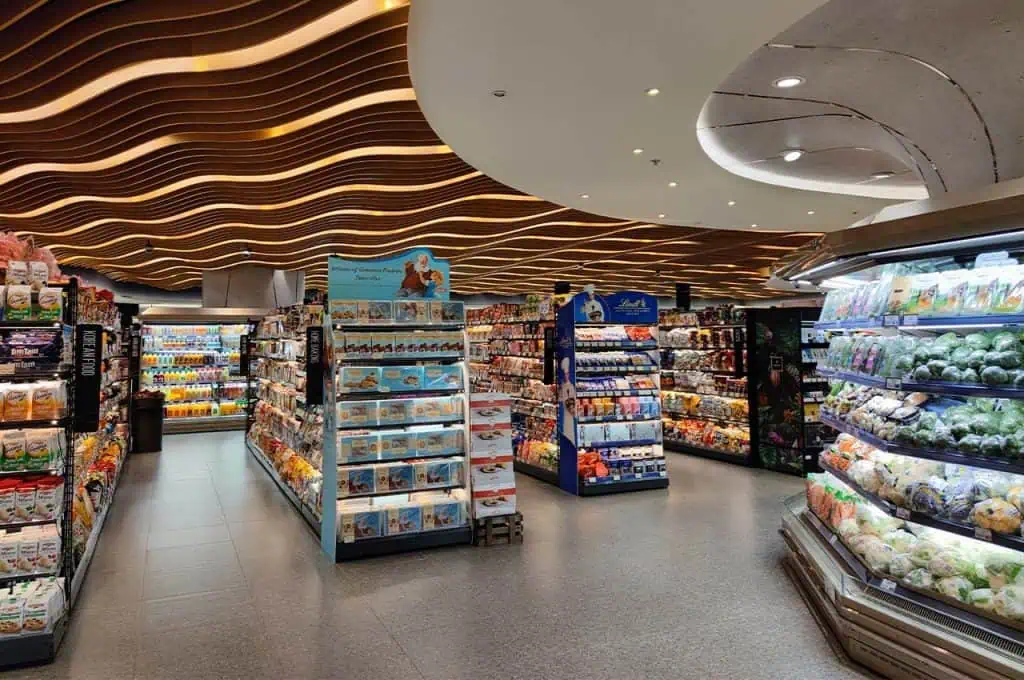
Music in supermarkets is no random assortment. Carefully chosen playlists set a tempo that influences shopping speed. Slow, soothing tunes tend to encourage leisurely browsing, increasing time spent in-store. Conversely, upbeat tracks may quicken the pace. Being aware of this subtle cue can help shoppers maintain focus and avoid unplanned purchases.
Deceptive Fresh Bakery Aromas

The enticing scent of freshly baked bread is a powerful lure. Supermarkets often place bakeries near entrances to captivate shoppers with aromas that suggest warmth and freshness. This sensory appeal can increase appetite and impulse buying. Recognizing this tactic can help in making more deliberate, less sensory-driven purchasing decisions.
The Truth About ‘Sale’ Stickers

Supermarket managers often use ‘sale’ stickers not just to mark discounted items, but to create a sense of urgency. These stickers might catch your eye and suggest you're getting a deal, but it's crucial to check the original price. Compare unit prices to ensure savings are genuine. Often, the perceived value is in the bold colors and strategic placement, urging an impulse buy. By being aware, you can sift through marketing tactics and make informed choices, maximizing your grocery budget effectively.
Color Psychology in Aisles

The strategic use of colors in supermarket aisles isn’t accidental. Bright reds and yellows can stir excitement and draw attention to on-sale items, while greens and whites often accompany natural or health-focused products to suggest freshness. Recognizing these cues can help discerning shoppers navigate the aisles efficiently. Be mindful of these influences as they subtly guide purchasing decisions, allowing you to consciously select products that meet your needs rather than succumbing to clever marketing tactics.
Strategic Cart Placement

The layout and size of shopping carts are meticulously designed to influence purchasing behavior. Larger carts may encourage more purchases, while their initial placement can lead you through specific areas first. Notice how essential items, like dairy or bread, are often located at the back. This makes you pass various enticing products along the way. Being aware of this strategy can help you stick to your list and avoid unexpected items, keeping your grocery shopping efficient and purposeful.
The Art of Product Rotation

Product rotation is crucial for inventory management, often pushing newer stock to the front and older items to the back. This tactic ensures that products with shorter shelf lives are sold while fresh. When shopping, reach towards the back for the longest expiration dates, especially in perishable sections. Understanding this practice can prevent waste and ensure you choose the freshest options available, optimizing your resources and maintaining quality in your purchases.
Hidden Health Food Treasures

Healthier options often find themselves in less conspicuous locations within a store. Supermarkets may place healthier, organic, or specialty items on higher or lower shelves to steer shopper attention towards more profitable products. To uncover these treasures, scan beyond eye level, and venture into different aisles, including ones not initially intended as part of your trip. Identifying this shelving approach can lead to discovering better-for-you foods that might otherwise be overlooked in your routine shopping path.
Checkout Impulse Traps

As you approach the checkout, the strategic placement of small, enticing items beckons for attention. These impulse buys, often candy bars, gum, or magazines, are not randomly arranged. Their proximity to the register is designed to tempt last-minute additions to your cart. By being aware of this tactic, you can resist unnecessary purchases. Focus on your shopping list and resist the psychological push to add these items. If managing impulsive spending is a goal, being mindful of this supermarket strategy can help you stay on track.


