
10 Iconic British Dishes Visitors Rarely Understand

British cuisine is full of classics deeply rooted in regional history and everyday tradition, yet many of these dishes can feel puzzling to visitors experiencing them for the first time. Their names, textures, or presentations don’t always make immediate sense, but each reflects generations of culinary heritage shaped by climate, ingredients, and practicality. What often seems unusual on the surface becomes comforting and meaningful once people understand the stories behind it. These iconic dishes continue to define Britain’s food culture, even if newcomers need a moment to appreciate their charm.
Beans on Toast
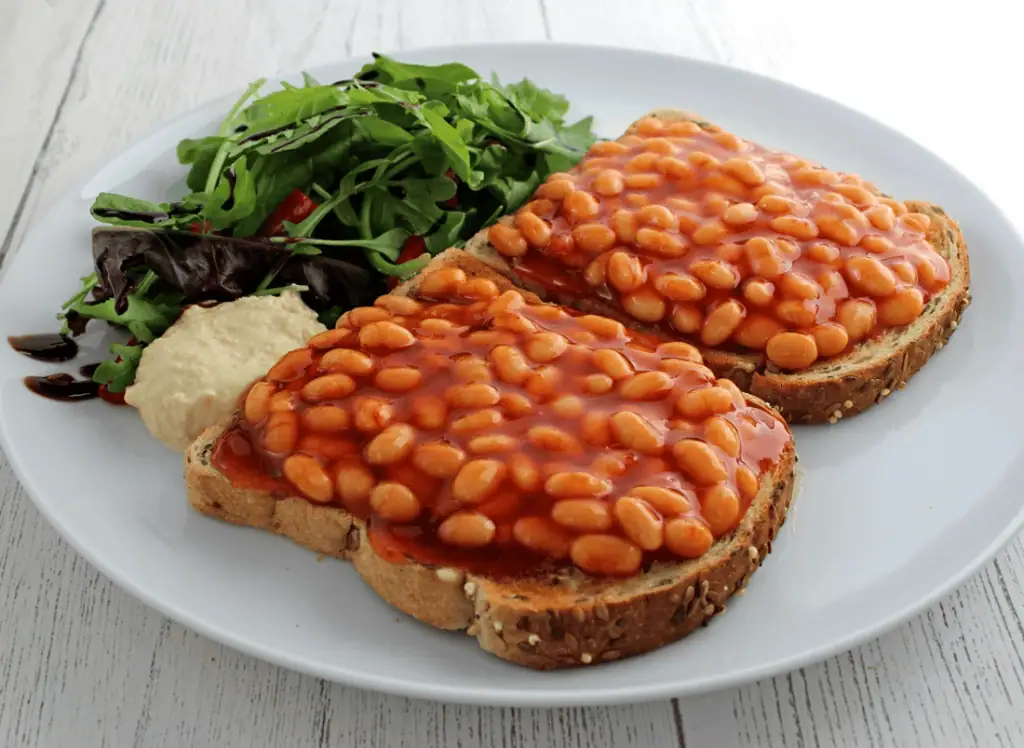
To outsiders, baked beans served on buttered toast can seem overly simple or unexpectedly sweet, yet for Brits, it’s a warm, comforting staple. Its appeal lies in its affordability, consistency, and nostalgic connection to childhood meals and busy mornings. The dish captures the British love of quick, filling food that doesn’t require elaborate preparation, offering a blend of sweetness, saltiness, and soft textures that locals find instantly satisfying.
Black Pudding
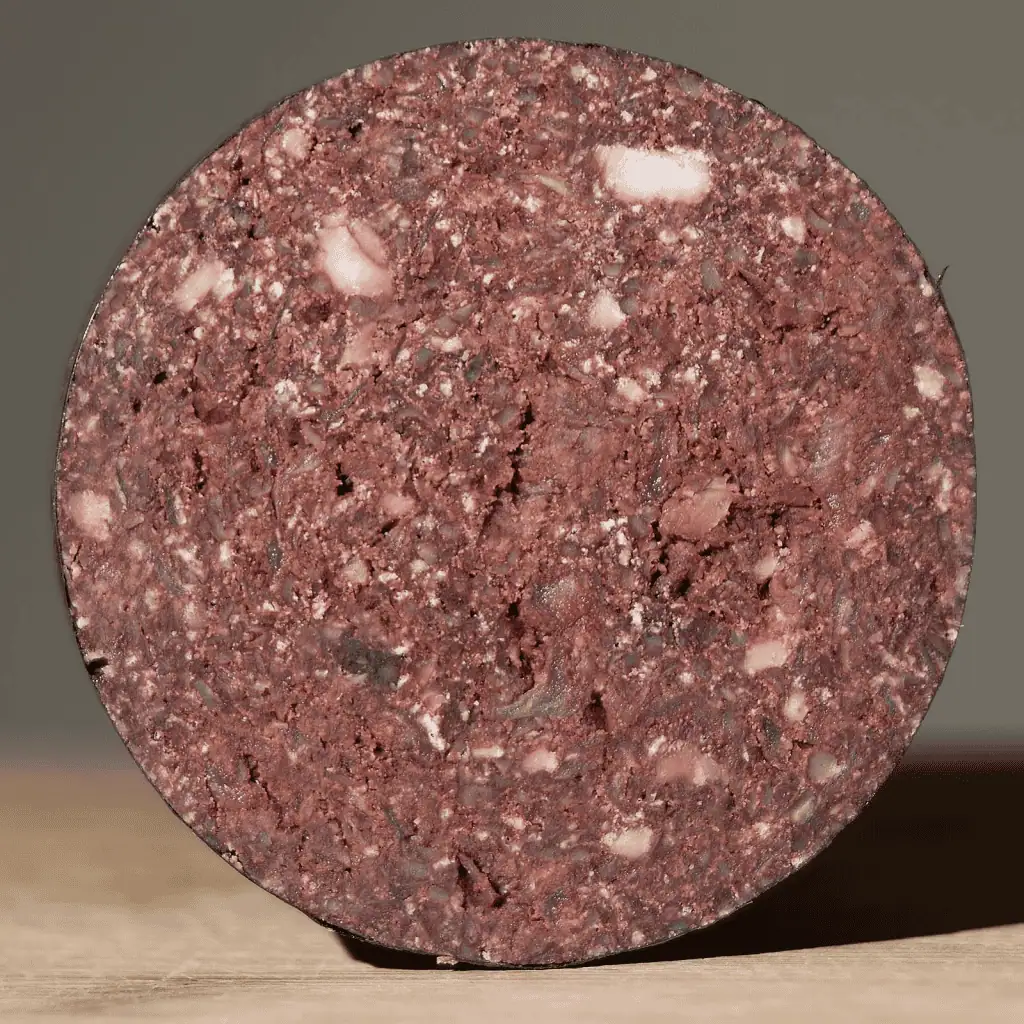
Black pudding’s dark color and rich ingredients can surprise visitors, but its flavor is mild, savory, and distinctly warming. Served as part of a traditional full English breakfast, it adds depth and heartiness that complements the meal’s eggs, mushrooms, and toast. Its history stretches back centuries, reflecting resourceful cooking traditions where nothing was wasted and seasoning played a key role in transforming humble ingredients.
Scotch Eggs

The concept of wrapping an egg in sausage meat and breadcrumbs before frying may seem unusual to many travelers, yet Scotch eggs showcase Britain’s love of layered textures and portable snacks. When cut open, the combination of runny yolk, savory meat, and crisp coating becomes surprisingly satisfying. Their long-standing presence in pubs, picnics, and markets highlights their versatility and enduring popularity across the UK.
Shepherd’s Pie

Visitors sometimes mistake shepherd’s pie for a pastry dish, only to discover it’s a layered casserole topped with mashed potatoes rather than crust. Its comforting blend of minced lamb, vegetables, and savory gravy makes it a cold-weather favorite. The dish reflects Britain’s agricultural roots and long tradition of using grounded, practical ingredients to create meals that stretch easily across families and seasons.
Jellied Eels

A staple of East London’s historic food culture, jellied eels often confuse visitors with their wobbly texture and old-fashioned presentation. Yet the dish represents a time when eels were abundant in the Thames and offered affordable nourishment to working-class communities. Its lightly seasoned flavor and cooling set make it an important reminder of London’s culinary past, even if it remains an acquired taste today.
Yorkshire Pudding

Despite its dessert-like name, Yorkshire pudding is a savory baked batter served with roast beef and gravy. Visitors often expect sweetness but quickly learn it’s designed to soak up juices and add texture to a Sunday roast. Its airy structure and golden exterior make it a quintessential part of British comfort dining, reflecting the tradition of stretching ingredients creatively in large family meals.
Marmite on Toast

Marmite’s intense salty flavor can shock first-time tasters, leaving visitors confused about its widespread popularity. For Brits, the yeast-based spread offers a sharp, umami punch that becomes addictive when paired with buttered toast. Its polarizing taste is part of its identity, prompting strong reactions while remaining a beloved breakfast staple rooted in wartime nutrition and regional pride.
Cornish Pasties

Shaped like a folded pie with crimped edges, Cornish pasties can bewilder newcomers who expect a lighter pastry. Instead, they’re filled with hearty meat, potatoes, and vegetables, reflecting their origin as a portable miners’ meal. The thick crust once served as a functional handle, ensuring hands covered in dust or minerals wouldn’t contaminate the filling. Today, they remain a regional symbol of Cornwall’s heritage.
Bubble and Squeak

The quirky name is often the first hurdle for visitors trying bubble and squeak, a fried mixture of leftover potatoes and vegetables. Its charm lies in its simplicity and the crispy texture developed from pan-frying day-old ingredients. The dish showcases Britain’s longstanding culture of thrift and smart reuse, turning leftovers into a comforting, flavorful breakfast or side dish that still appears on pub menus and home tables.
Spotted Dick

Its humorous name tends to distract tourists, yet spotted dick is a classic steamed pudding dotted with dried fruit and served with custard. The dessert’s warm, dense texture and subtle sweetness embody Britain’s enduring love for old-fashioned puddings. Its name reflects traditional dialect rather than anything scandalous, offering visitors a glimpse into both regional language history and nostalgic dessert traditions.


