
10 Herbs That Practically Grow Themselves

Growing your own herbs is an inviting way to enhance your cooking, adding freshness and depth to every dish. Some herbs are particularly forgiving, thriving in various conditions with minimal maintenance. By focusing on these easy-grow varieties, you can effortlessly access a bounty of flavor right from your kitchen garden. Herbs like basil, mint, parsley, and chives are not only culinary staples but also resilient and prolific growers. Integrating these herbs into your meals transforms them with vibrant, fresh tastes that elevate everyday cooking.
Basil: A Home Cook's Favorite
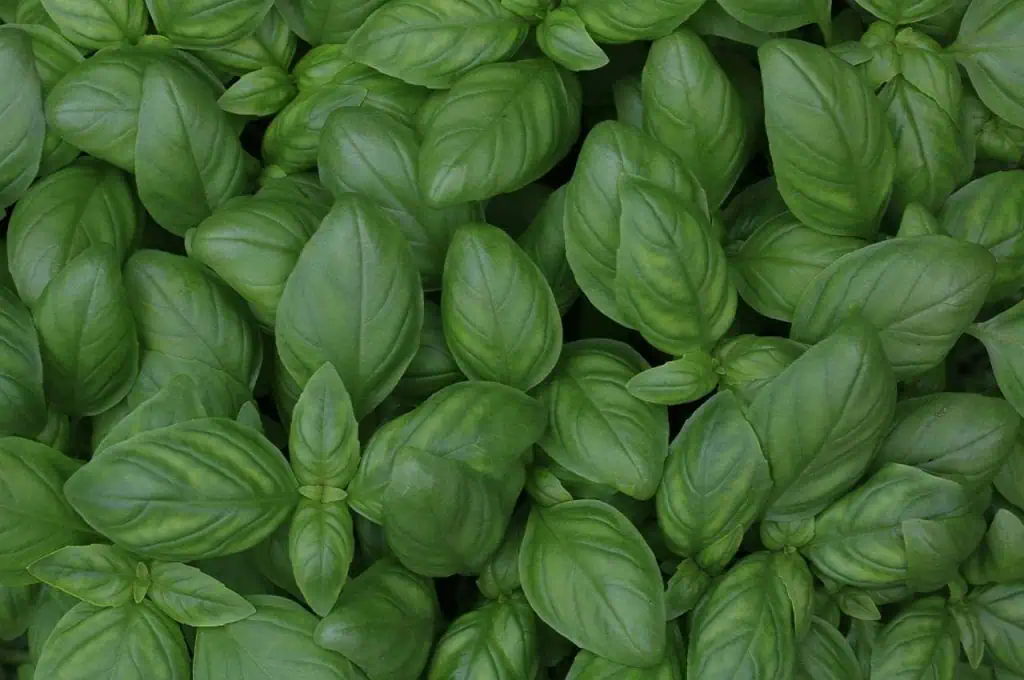
Basil stands out with its sweet, aromatic leaves, central to dishes like pesto and Caprese salad. It grows best in sun-drenched spots with well-drained soil. Frequent pruning encourages bushy growth, yielding more leaves over time. To harvest, pinch just above a pair of leaves, ensuring continuous production. Basil cherishes warmth, so consider a sunny windowsill or a sheltered spot outdoors. Its tender, fragrant leaves are best used fresh, adding a burst of garden-fresh flavor to pasta, salads, and dressings.
Mint: Refreshingly Resilient

Mint is known for its vigorous growth and spreading nature, making it ideal for containers or dedicated garden areas. It thrives with ample sunlight and regular watering, offering abundant harvests. Pick individual leaves or stems just before use to maintain their intensity. This herb complements everything from beverages to lamb dishes, infusing a refreshing, cool note. To control its spread, plant mint in a confined space, ensuring it doesn't overtake your garden. Mint's versatility and hardy nature make it a kitchen staple.
Parsley: The Versatile Powerhouse
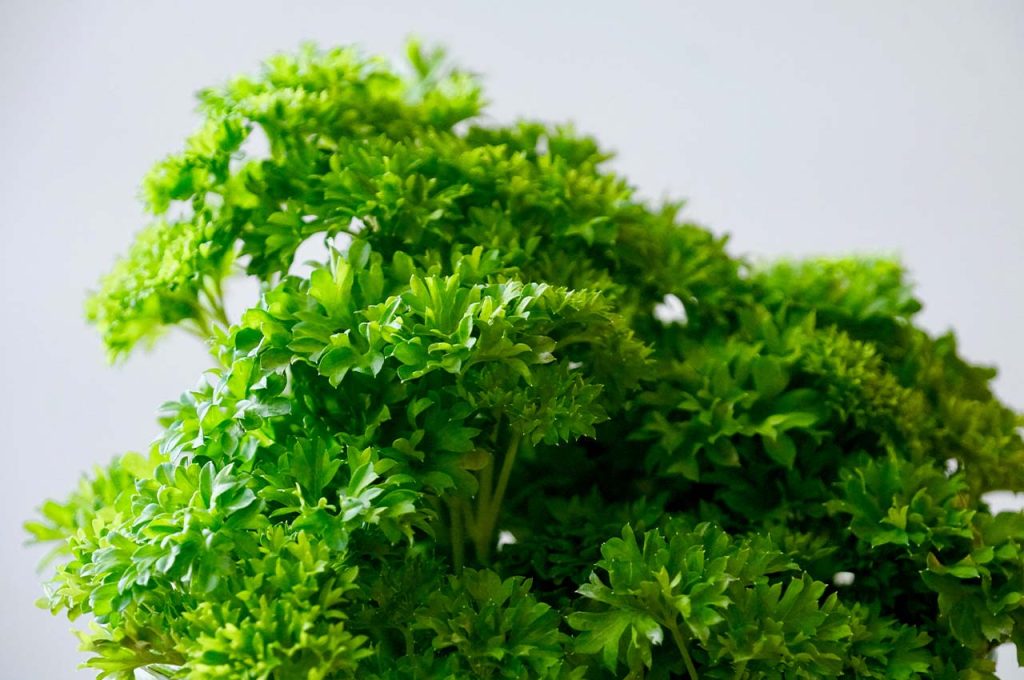
Parsley offers a subtle, peppery taste, suitable as both a garnish and a key ingredient. It prefers partial sunlight and well-draining soil. Regular clipping encourages fuller growth, with a focus on outer stems to promote continual regeneration. Flat-leaf parsley, with its robust flavor, is ideal for cooking, while curly parsley adds a decorative touch. Use it fresh to enhance salads, soups, and sauces, benefiting from its nutritional properties and clean, vibrant taste. Parsley's resilience makes it an invaluable kitchen companion.
Chives: Onion's Delicate Cousin
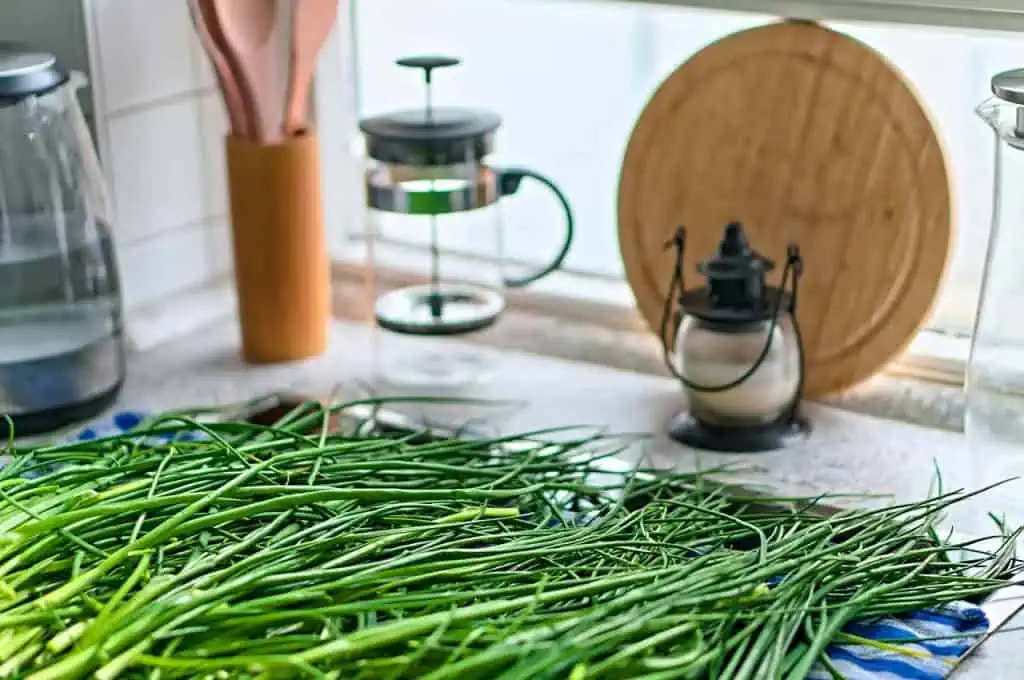
Chives bring a mild, onion-like flavor to dishes, perfect for garnishing or flavoring eggs, cheeses, and soups. They grow well in full to partial sunlight with moderate watering. Harvest by snipping from the base, which stimulates new growth and keeps the plant productive. Both the leaves and blossoms are edible, offering aesthetic and culinary appeal. These hardy perennials return each year, requiring little care but yielding a consistent supply of subtle zing. Chives' delicate flavor enhances foods without overwhelming them.
Rosemary: The Robust Aromatic
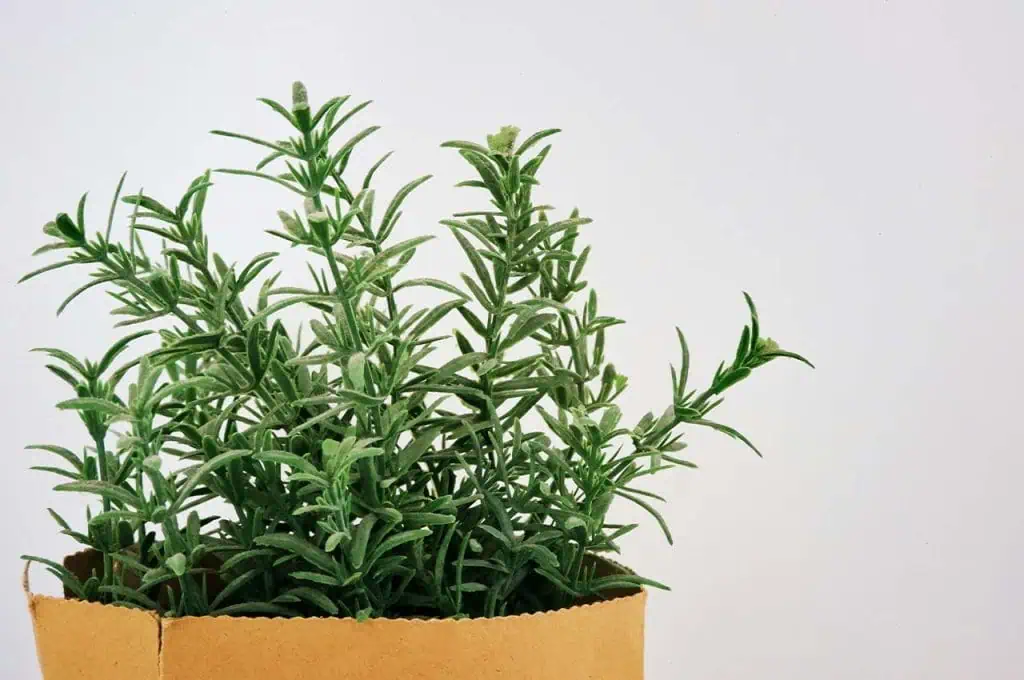
Rosemary thrives in sunlight and well-drained soil, requiring minimal attention. Its needle-like leaves impart a piney, peppery aroma that enhances roasted meats and vegetables. When incorporating rosemary into dishes, strip the leaves from the woody stem and chop finely to release its full flavor. Infuse oils or vinegars by submerging fresh sprigs in warm liquids. Rosemary pairs beautifully with lamb, chicken, and potatoes, providing a fragrant depth that elevates simple recipes.
Thyme: The Timeless Herb
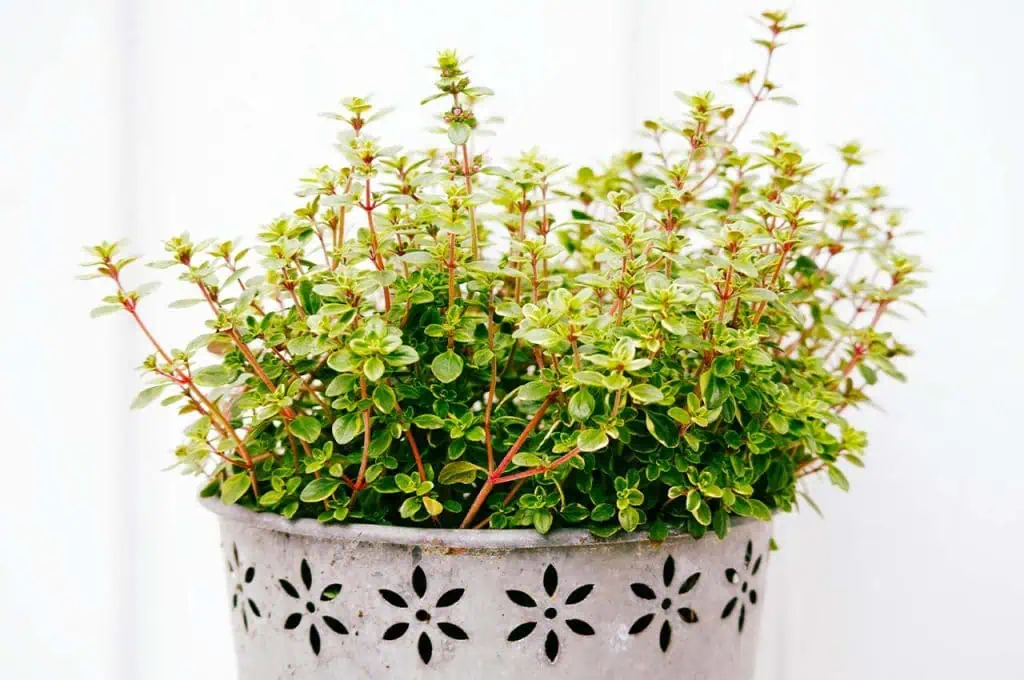
Thyme is resilient and flourishes with little effort. Its small, tender leaves pack a punch with earthy and slightly minty undertones, perfect for stews and marinades. To use, gently strip the leaves from the stems or add whole sprigs for easy removal after cooking. Thyme’s mild yet complex flavor pairs well with fish, beef, and tomato-based dishes. Its versatility makes it an essential in bouquets garnis, enhancing the profile of stocks and sauces alike.
Oregano: Italian Cuisine Staple
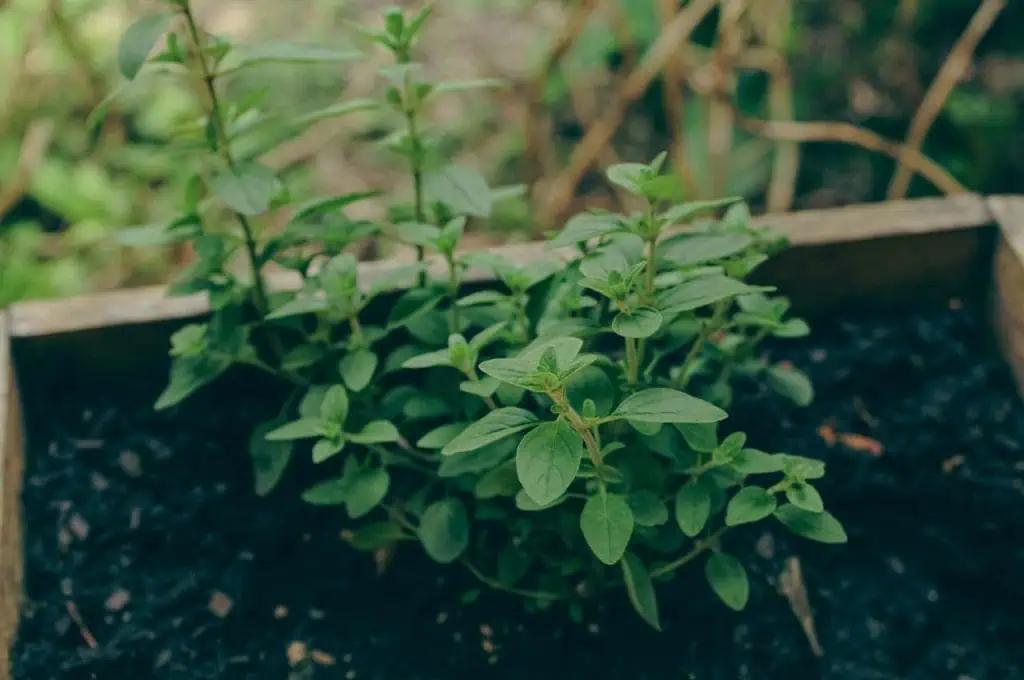
This hardy perennial grows easily and offers a bold, slightly bitter taste. Fresh oregano leaves are perfect for chopping and sprinkling over grilled vegetables or mixing into sauces. Allow its distinctive peppery flavor to meld into long-simmering dishes like bolognese or marinara. Crumble dried oregano into soups and dressings for a concentrated kick. For best results, crush the leaves in your hands before adding them to release the oils, enriching your dishes with rich aromatics.
Cilantro: Love it or Hate it

Cilantro’s vibrant green leaves add a fresh, citrusy brightness to dishes, although it’s a polarizing flavor. This annual herb thrives in cooler weather and requires regular water. Chop cilantro just before serving to preserve its delicate aroma and flavor; it complements salsas, curries, and spring rolls. Combining cilantro’s subtle kick with lime enhances its zestiness. Use tender stems along with the leaves to integrate its unique flavor profile fully into your culinary creations.
Sage: The Savory Essential
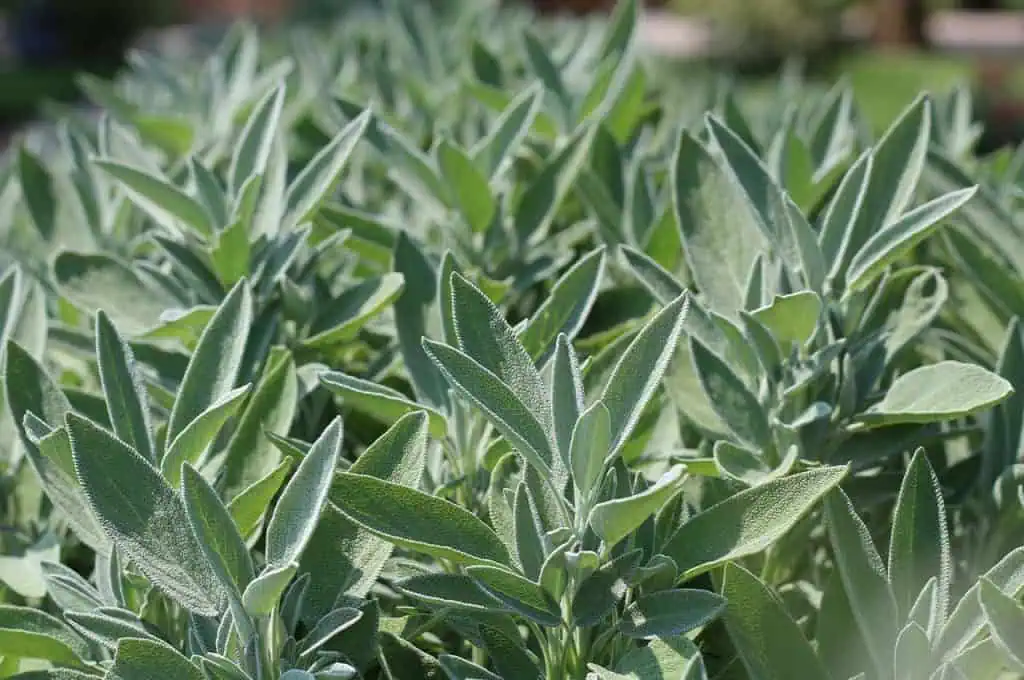
Sage's soft, gray-green leaves are aromatic and slightly peppery, with a hint of eucalyptus. It stands out in rich dishes like brown butter sauces, stuffings, and roasted poultry. To prepare sage, remove the leaves from the stem and finely chop or fry them in oil to craft a crispy garnish. Sage thrives in sunny spots and moderate watering, making cultivation straightforward. Its powerful flavor means a little goes a long way, ensuring each dish benefits from its woody, savory notes.
Dill: The Pickle Partner

Dill thrives in a sunny spot with well-draining soil, requiring minimal care once established. This feathery herb imparts a subtle sweetness and a hint of anise that complements the tang of pickling. To enhance your pickles, add fresh dill sprigs during the brining process, allowing the flavors to meld over time. For tender dill fronds, harvest regularly before flowering; this encourages new growth and ensures a continuous supply. Use dill’s delicate texture to elevate potato salads and creamy dips, where its bright flavor can shine without overpowering.


