
10 Forgotten Frontier Snacks Even Cowboys Wouldn’t Recognize Today

Exploring forgotten frontier snacks offers a peek into the rough and rugged life of those who traveled the trails. These items reveal how ingenuity met necessity, turning limited ingredients into essential sustenance. We've selected snacks that range from durable provisions to curious delicacies, showcasing the resourcefulness of pioneers. Though today's cooks may have access to countless ingredients, revisiting these frontier gems provides valuable lessons in timeless culinary techniques and flavor combinations.
Hardtack Biscuits: The Unyielding Trail Staple

Hardtack biscuits were designed for longevity, providing sustenance without spoilage. These sturdy biscuits are made from a simple mix of flour, water, and salt. To recreate them, knead the dough until firm, roll to a thickness of 1/2 inch, and cut into squares. Punch holes across the surface to prevent puffing. Bake until bone-dry, achieving their signature hardness. While challenging to eat alone, they soften in broth or tea, offering a glimpse into the past when practicality outweighed palate.
Salt Pork Strips: Preserved Protein From the Past

Salt pork was a cornerstone of frontier fare, offering preserved protein through long journeys. To prepare, cut pork belly into strips, heavily coat with coarse salt, and let cure for several days. Rinse and soak to reduce saltiness before cooking. Fry the strips until crispy, rendering fat and enhancing flavor. This technique created a versatile staple, ready to be added to stews or consumed on its own. Today, it remains a testament to the inventive preservation methods of that era.
Pan-Fried Prairie Oysters: An Odd Frontier Delicacy
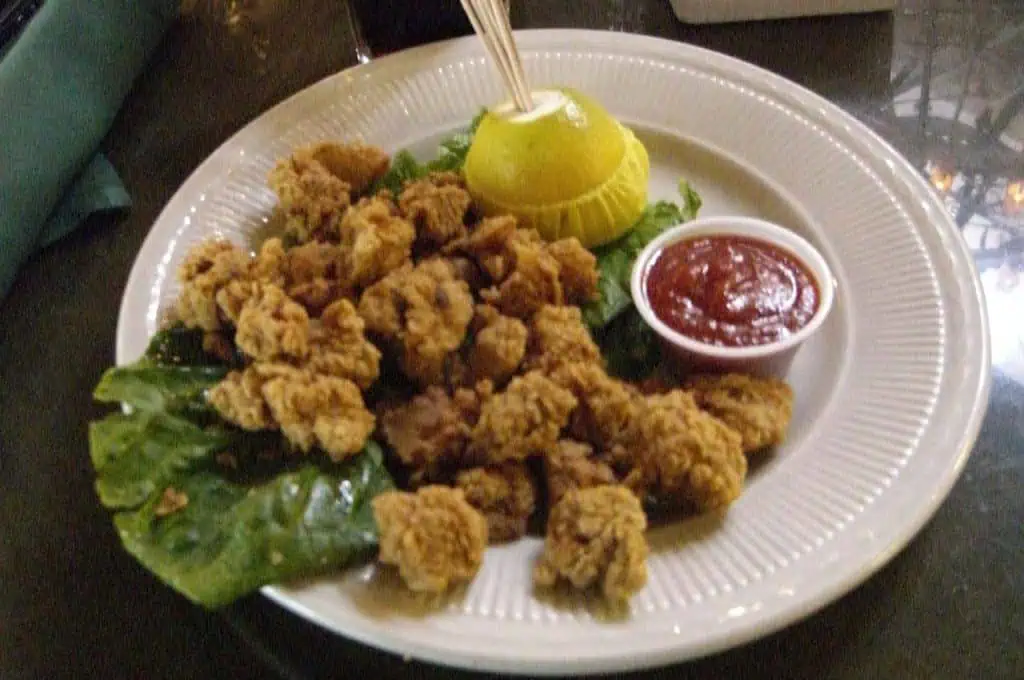
Prairie oysters, or calf testicles, were a frontier delicacy, transforming available offal into nourishment. Begin by peeling and slicing thinly, then marinate in buttermilk to tenderize. Dredge in seasoned flour, ensuring an even coating. Fry in hot oil until golden brown and crispy. This dish showcases a unique textural contrast, crispy exterior with a tender, flavorful inside. While unusual today, prairie oysters reflect a no-waste philosophy vital to frontier survival.
Johnnycake: Cornmeal Bread That Fueled the Trails

Johnnycake, a simple cornmeal bread, provided quick energy on the trails. Mix cornmeal with water, salt, and a touch of fat, creating a thick batter. Cook on a hot griddle or in a cast-iron skillet until the edges crisp and the cake is firm. Its rustic texture, with hearty corn flavor, served as a reliable side or standalone snack. Johnnycake's adaptability made it a favorite, easily paired with honey, syrup, or alongside savory dishes, embodying the essence of frontier practicality.
Dried Bison Jerky: Protein Packed for Long Rides
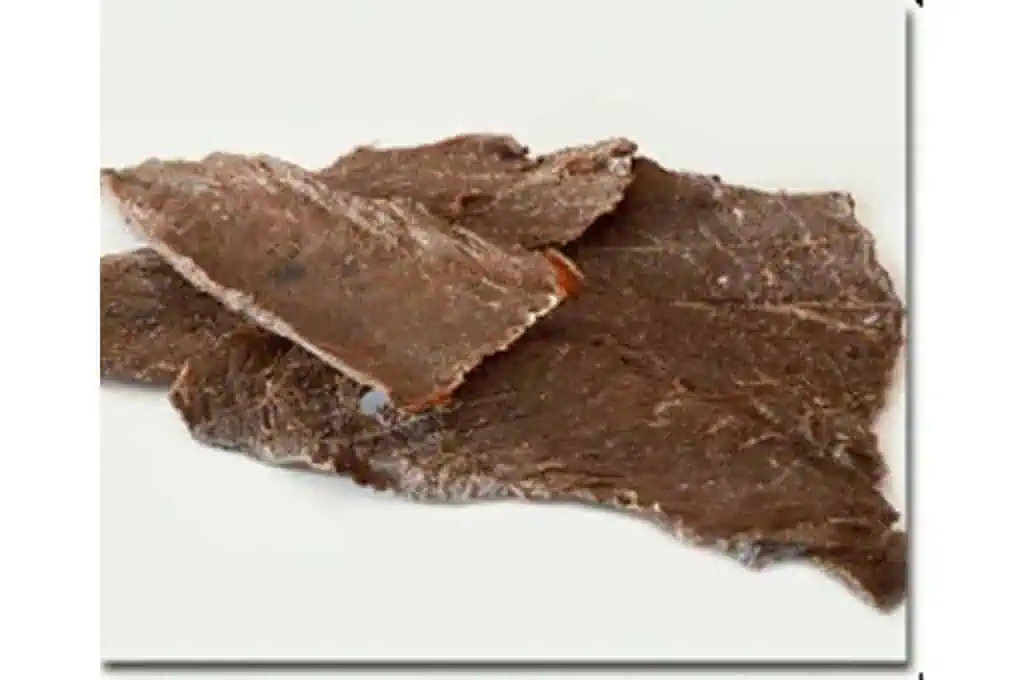
Unlike its modern beef counterpart, dried bison jerky is a lean alternative packed with intense flavor and protein. Thinly slice bison meat against the grain before marinating in a mix of salt, pepper, and a hint of wild herbs. Dry it slowly over a low heat source, such as a smoker or oven set to 160°F, ensuring even drying to achieve the perfect chew. This jerky makes an excellent travel companion, providing sustenance for long rides through open landscapes.
Get the recipe: Bison Jerky
Chuckwagon Stew: Whatever Went Into the Pot

Chuckwagon stew exemplifies the resourcefulness of the old trails, utilizing whatever ingredients were at hand. Start by browning chunks of beef or game meat in a Dutch oven, then add a medley of root vegetables such as carrots and potatoes. Pour in broth or water, letting the stew simmer until the ingredients meld into a hearty, comforting dish. A sprinkle of dried herbs can elevate the flavors, creating a meal that warms both body and spirit around the campfire.
Get the recipe: Chuckwagon Stew
Pickled Beets and Turnips: Tangy Trail Treats

Pickling was a preservation method crucial for surviving long treks. For a tangy snack, thinly slice beets and turnips before immersing them in a vinegar-based brine spiked with sugar and spices like mustard seed and dill. Allow the mixture to sit, developing a vibrant hue and robust flavor. These veggies offer a refreshing crunch and zesty bite, perfect for revitalizing the palate between rugged, hearty meals on the trail.
Get the recipe: Pickled Beets
Sourdough Discs: Carried Like Treasure Across Plains

Sourdough discs were a cowboy staple, valued for their long shelf life and versatility. Form your sourdough starter into flat discs, pricking them with a fork to prevent over-rising, and bake in a hot oven until golden brown. Their crisp texture and subtle tang pair well with stews or jerky. Lightweight and easily portable, these discs were a nutritional asset on the move, offering nourishment with each bite.
Roasted Acorns: The Frontier’s Foraged Crunch
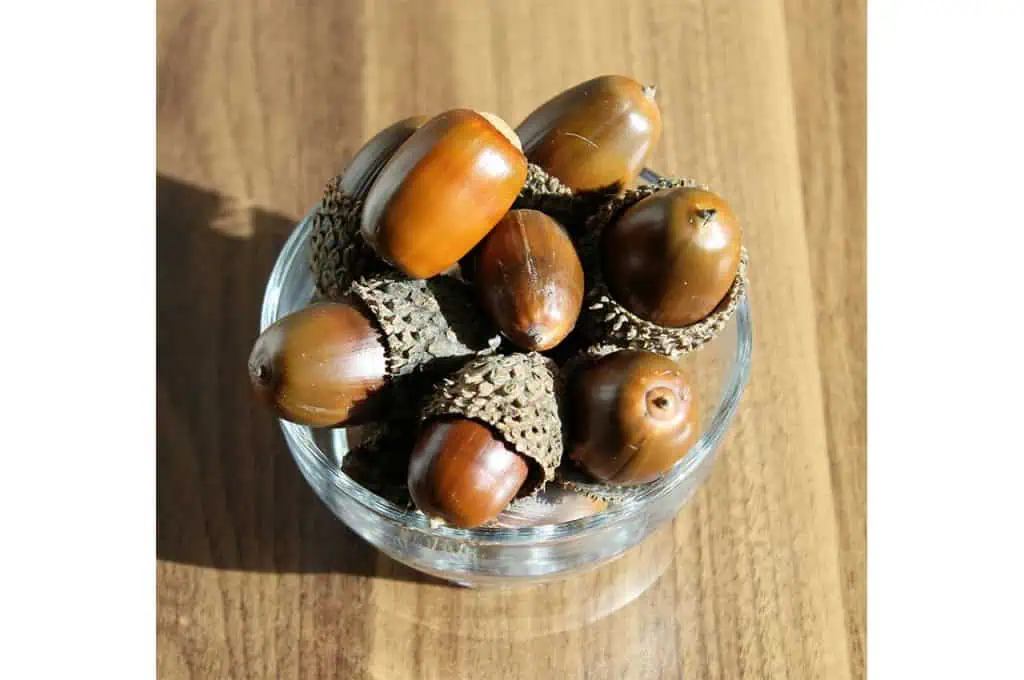
Roasting acorns was a method to unlock their nutty potential, transforming them into a crunchy snack. First, leach the tannins from raw acorns by soaking them in water for several days, changing the water frequently. Once prepared, roast them in a single layer on a baking sheet at 350°F until golden and fragrant. The end result is a flavorful, satisfying snack that brings a taste of the forest to the trail, perfect for enjoying at rest stops.
Molasses Candy: Sweet Energy on the Long Trail

Molasses candy: a blend of robustness and sweetness, drawing from rich flavors fashioned for endurance. This candy, once a staple for long journeys, relies on molasses due to its resilient texture and nutrient density. Start by heating molasses in a saucepan over medium heat, letting it bubble gently. Gradually introduce sugar, ensuring full dissolution. Stir in a pinch of salt for balance. Continue cooking until a small drop firms in cold water, signaling readiness. Pour the molten mixture onto a buttered surface, allowing it to cool slightly before stretching it to a glossy finish. This technique transforms basic ingredients into a long-lasting energy source, ideal for arduous travels.


