
10 Foods Boomers Grew Up With That Gen Z and Gen Alpha Will Probably Never Taste

Food trends don’t disappear overnight. Many foods Boomers grew up eating faded slowly as supermarkets modernized, convenience foods took over, and tastes changed. These dishes weren’t considered unusual at the time they were everyday meals shaped by cost, availability, and practicality. Today, changing health guidance, industrial food systems, and shifting preferences mean younger generations are unlikely to encounter them outside of history books or old family stories.
TV Dinners in Aluminum Trays
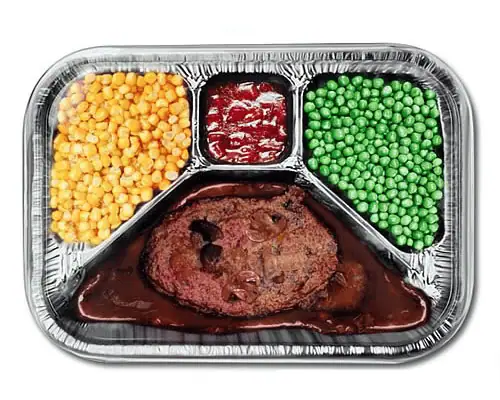
Boomers grew up during the golden age of the TV dinner, when frozen meals in aluminum trays symbolized modern convenience. These meals were simple, compartmentalized, and designed to be eaten in front of the television, which was new and exciting at the time. Over time, concerns about nutrition, portion quality, and environmental waste led to their decline. Today’s frozen meals are very different, and the original TV dinner experience is something younger generations will likely never know.
Liver and Onions
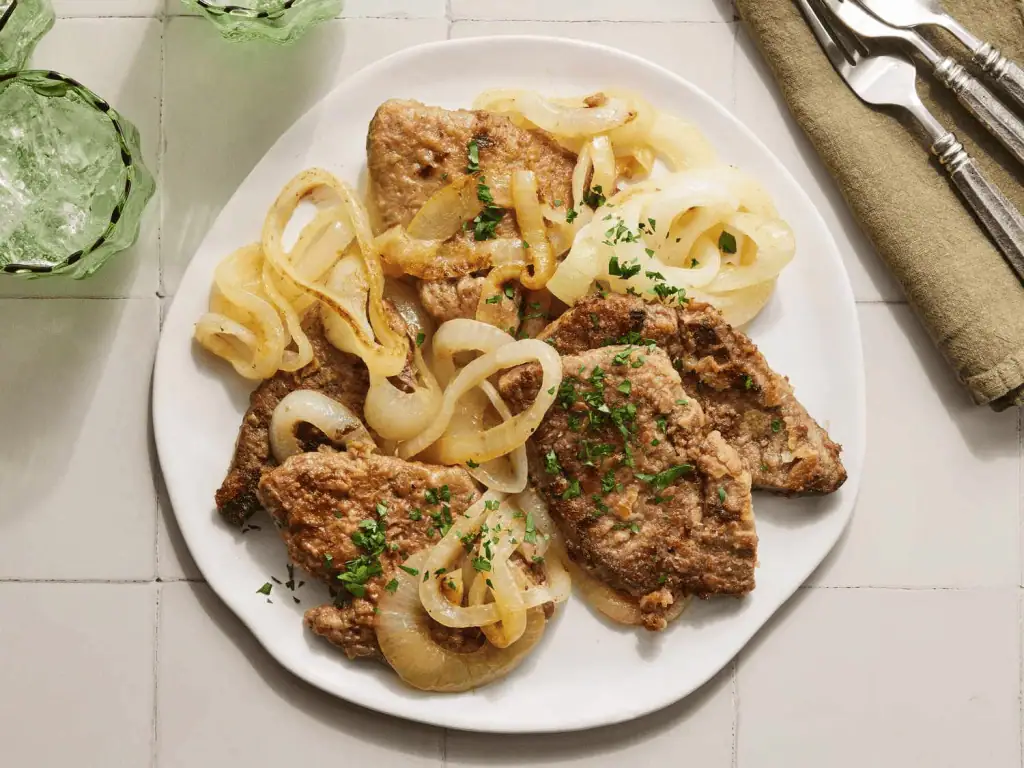
Liver and onions was once a routine dinner in many American homes because organ meats were affordable and nutritious. Boomers were often expected to eat it whether they liked it or not. As meat preferences shifted toward leaner cuts and processed options, liver fell out of favor. Strong flavors and textures make it unpopular with younger eaters, meaning most Gen Z and Gen Alpha kids may never experience this once-common dinner.
Gelatin Salads (Jell-O Salads)
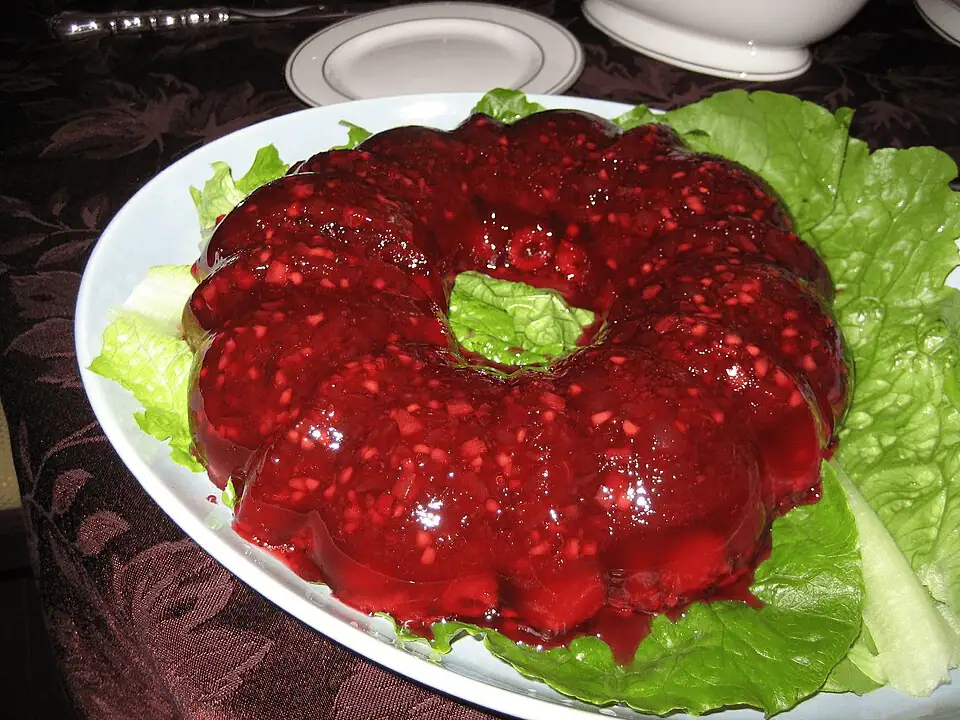
Savory and sweet gelatin salads were a fixture at mid-century dinners, potlucks, and holidays. Mixed with fruit, vegetables, or even meat, they were seen as modern and elegant. As food culture evolved, these dishes began to feel strange rather than appealing. Younger generations raised on fresh produce and less processed textures are unlikely to encounter gelatin salads outside of retro cookbooks or nostalgia-themed events.
Milk Toast

Milk toast was a simple comfort food made by pouring warm milk over buttered toast. It was commonly served to children, sick family members, or anyone with digestive issues. The dish reflected a time when bland, gentle foods were standard household remedies. Today, it feels outdated and unappealing to younger generations who are accustomed to bolder flavors and a wider variety of comfort foods.
Salmon Loaf

Salmon loaf was a practical way to use canned fish for a filling family meal. Mixed with eggs, breadcrumbs, and seasoning, it was baked and sliced like meatloaf. As fresh seafood became more accessible and food tastes changed, salmon loaf disappeared from regular cooking. Younger generations are far more likely to eat sushi or grilled salmon than this old-fashioned casserole-style dish.
Creamed Chipped Beef on Toast

Often called “SOS,” creamed chipped beef was a staple during wartime and post-war years. Made from dried beef in a white sauce served over toast, it was cheap and filling. Boomers grew up eating it regularly, especially at breakfast. Today’s preference for lighter meals and fresher ingredients has pushed this dish out of kitchens, making it unfamiliar to most Gen Z and Gen Alpha households.
Boiled Cabbage Dinners

Boiled cabbage, sometimes cooked with potatoes or meat, was once a common, budget-friendly meal. It required a few ingredients and fed large families. Over time, boiling vegetables fell out of favor as roasting and sautéing became preferred cooking methods. Younger generations raised on more flavorful vegetable preparations may never experience this soft, mild, and distinctly old-school dish.
Tuna Noodle Casserole
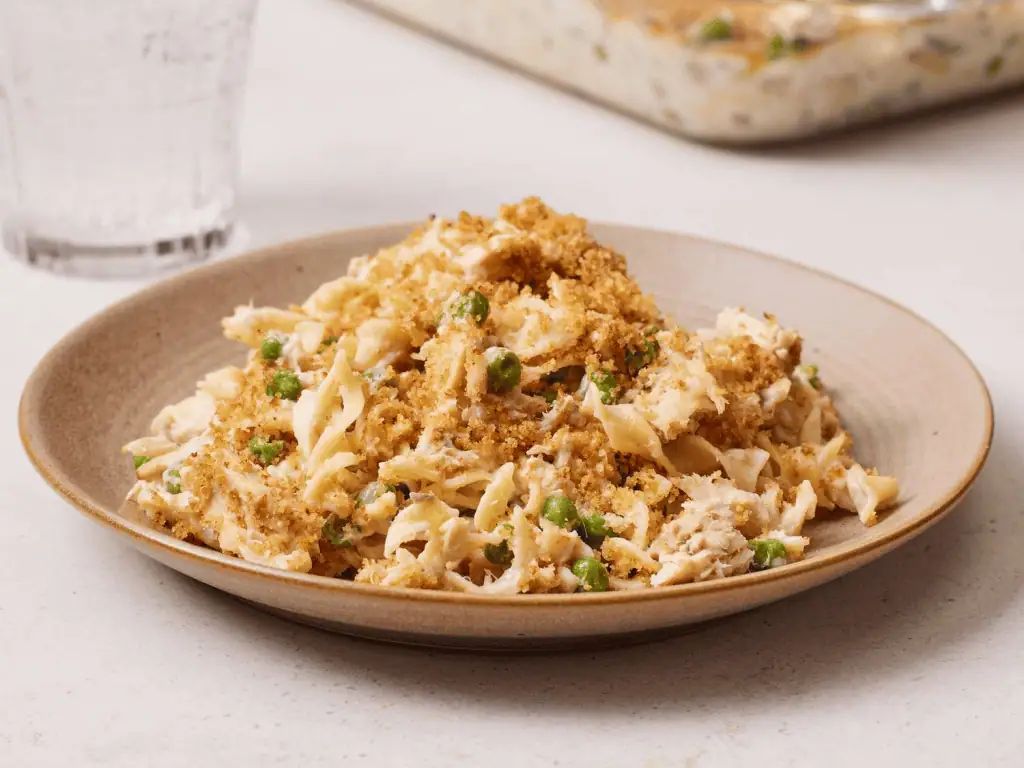
Tuna noodle casserole was a weeknight staple built around canned tuna, egg noodles, and cream soup. It was affordable, filling, and easy to prepare. While casseroles still exist, this specific dish has declined as processed soups and canned fish lost popularity. Younger generations tend to associate tuna with sandwiches or poke bowls rather than baked casseroles.
Prune Pudding

Prune pudding was a modest dessert that focused on thrift and digestion rather than sweetness. Made with prunes and simple pantry ingredients, it reflected a time when desserts were practical rather than indulgent. As sugar-heavy desserts and packaged sweets became common, prune-based dishes faded. Today, prunes are more associated with health foods than desserts, making prune pudding nearly extinct.
Scrapple

Scrapple was created to use leftover pork scraps combined with cornmeal and spices. Fried until crisp, it was a popular breakfast meat in many Boomer households, especially in the Mid-Atlantic. As Americans moved away from nose-to-tail eating, scrapple became less common. While it still exists regionally, most Gen Z and Gen Alpha kids will likely never encounter it.


