
10 Everyday Foods That Were Illegal to Sell During World War II

World War II dramatically changed the American food system. Rationing, shortages, and government restrictions meant that many everyday foods couldn’t legally be sold or purchased without stamps while others disappeared entirely from stores. These rules shaped household cooking, encouraged creativity, and reshaped the nation’s eating habits. Here are the everyday foods that were restricted or outright illegal to sell during WWII and how those changes impacted the American diet.
Butter
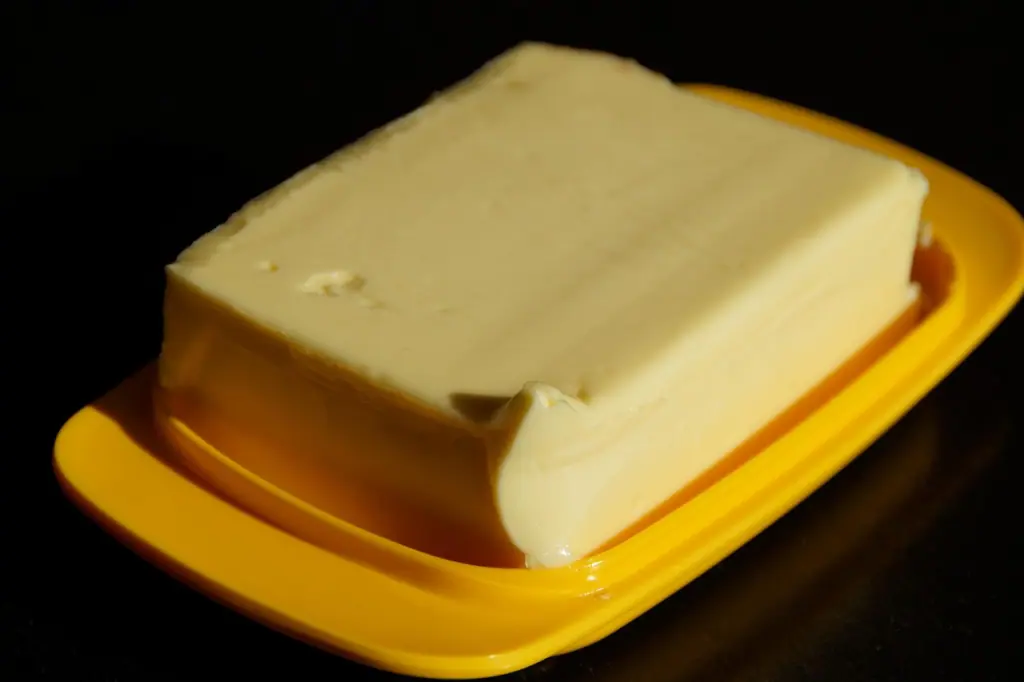
Butter became heavily rationed during WWII because dairy and livestock production shifted toward military needs. Supermarkets couldn’t legally sell it without ration stamps, making it an expensive luxury. Many families relied on margarine, sometimes colored with dye packets to mimic butter’s appearance. The shortage changed baking and cooking habits for years, pushing households toward creative substitutions.
Sugar
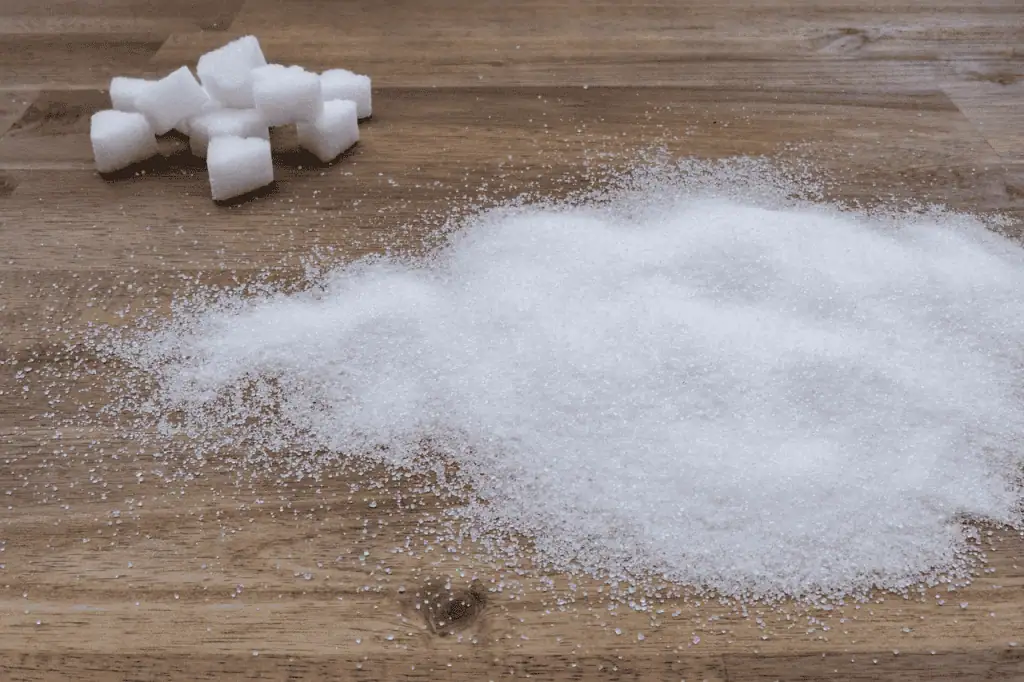
Sugar was one of the first foods to be rationed and was often illegal to buy beyond the allotted amount. Much of the supply was diverted to troops, medical uses, and industrial production. Home cooks had to reduce baking, stretch recipes, and use alternatives like honey or corn syrup. The sugar shortage reshaped desserts and created simpler, less-sweet treats that defined wartime cooking.
Meat Cuts (Beef, Pork, Lamb)
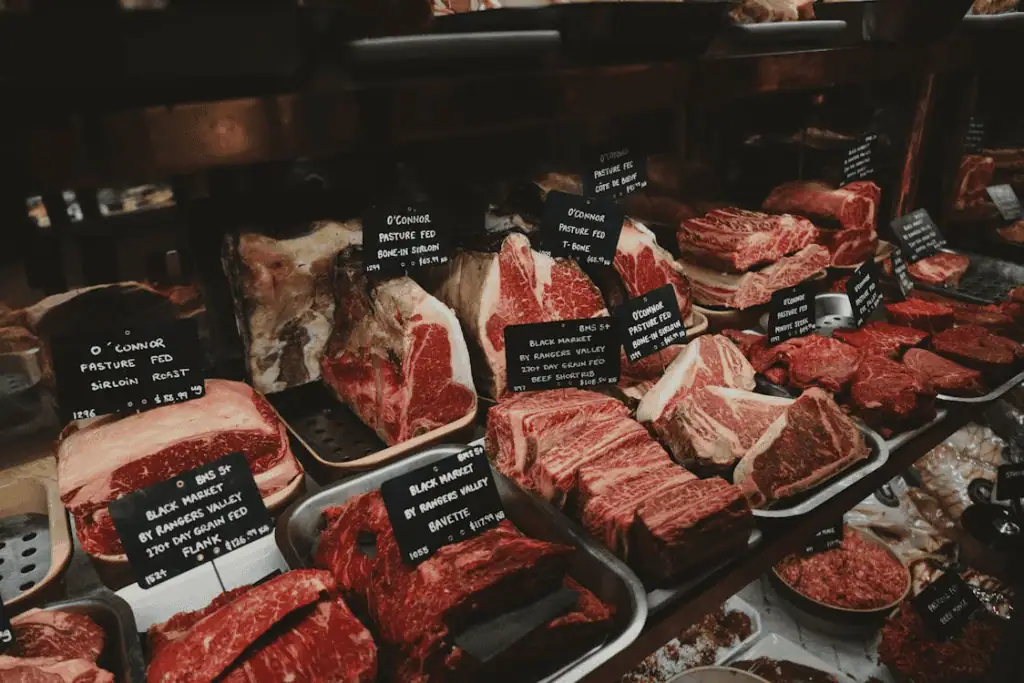
Many popular cuts of meat could not be sold freely because they were needed to feed soldiers overseas. Butchers were restricted in what they could offer, and families needed ration coupons for even basic cuts. This drove home cooks to rely on cheaper proteins like organ meats, stews, and casseroles. Meatless meals and “Victory recipes” became common as Americans adjusted to strict limits.
Coffee
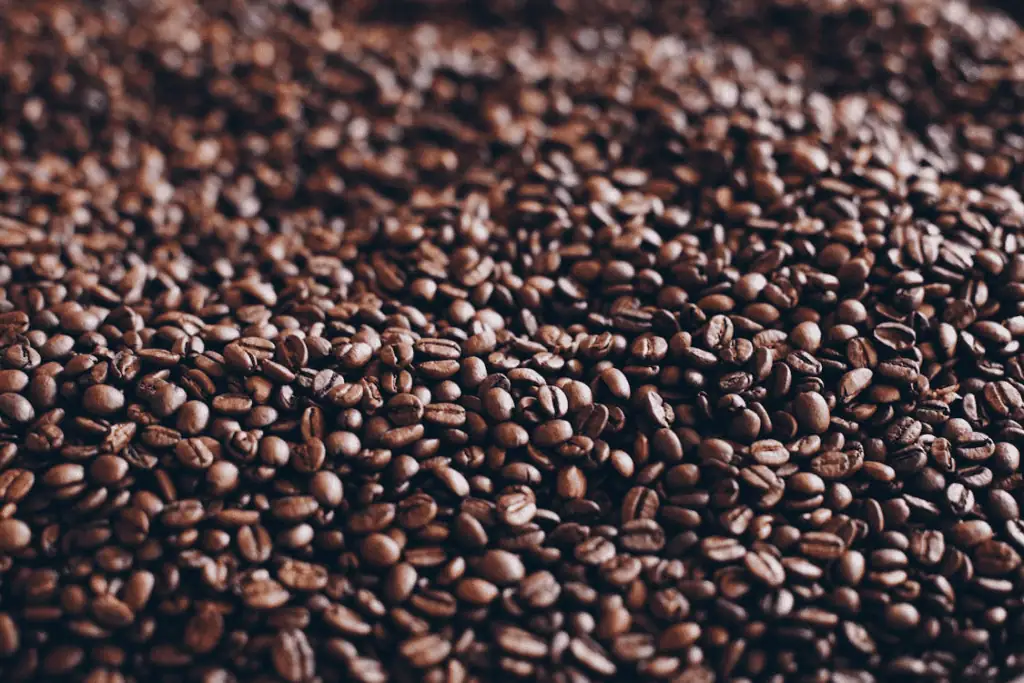
Coffee shortages struck hard after wartime disruptions affected imports from South America. To conserve supply, selling coffee without ration stamps was illegal, and households were limited to small amounts per week. Many Americans stretched their coffee with chicory or roasted grains. Despite the scarcity, the ritual of morning coffee persisted just in smaller, weaker cups.
Canned Foods

Canned vegetables, fruits, and soups were key supplies for soldiers, so large portions of production were restricted from civilian sale. Many canned items were rationed heavily or simply unavailable. Home cooks turned to fresh produce when possible and began widespread home canning, encouraged by government “Victory Garden” campaigns. Canned goods became symbols of wartime scarcity.
Chocolate
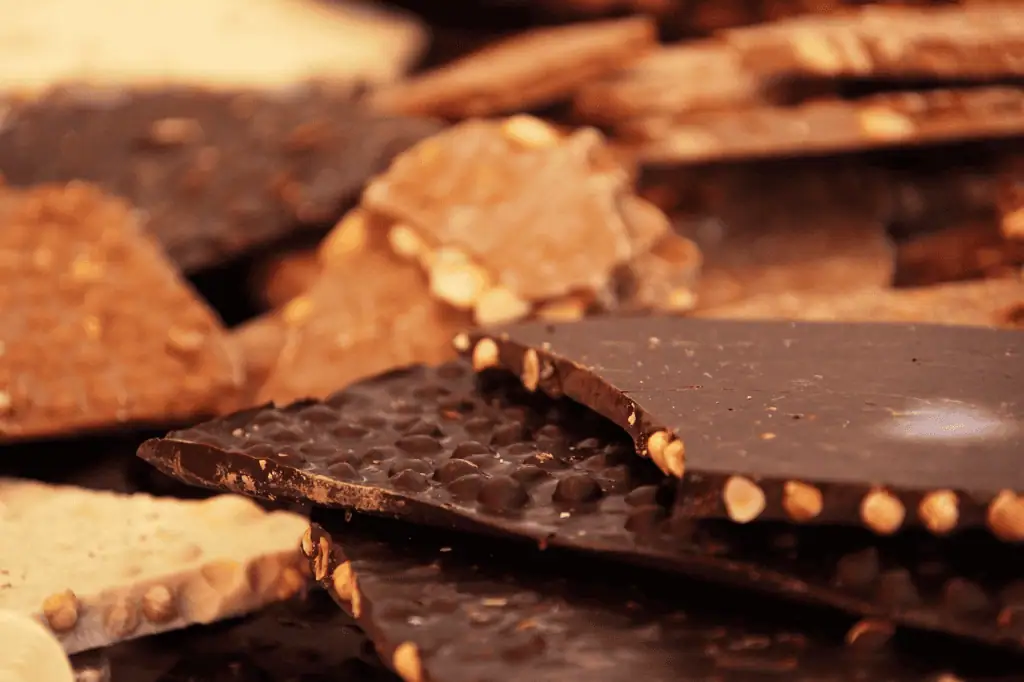
Chocolate was essential for military rations because it provided high-calorie energy, so civilian sales were restricted. Candy bars became rare treats, and baking chocolate nearly disappeared from store shelves. Children especially felt the shortage, and rationing created a generation that associated chocolate with special occasions and celebration. Cocoa-based desserts became simpler and less frequent.
Cheese
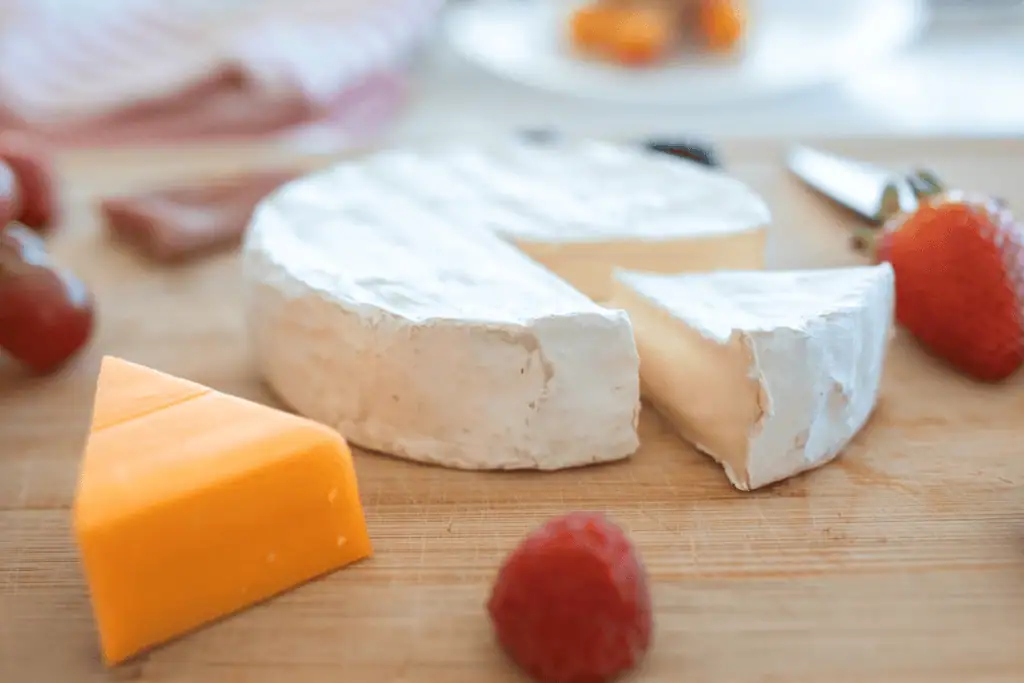
Processed cheese was prioritized for troop meals and field rations, making many varieties difficult or illegal to buy without ration stamps. Fresh cheese also faced distribution restrictions. Home cooks substituted with powdered cheese or used smaller portions in recipes. Wartime shortages pushed Americans toward simple dishes like macaroni without cheese or lightly flavored casseroles.
Cooking Oils and Fats
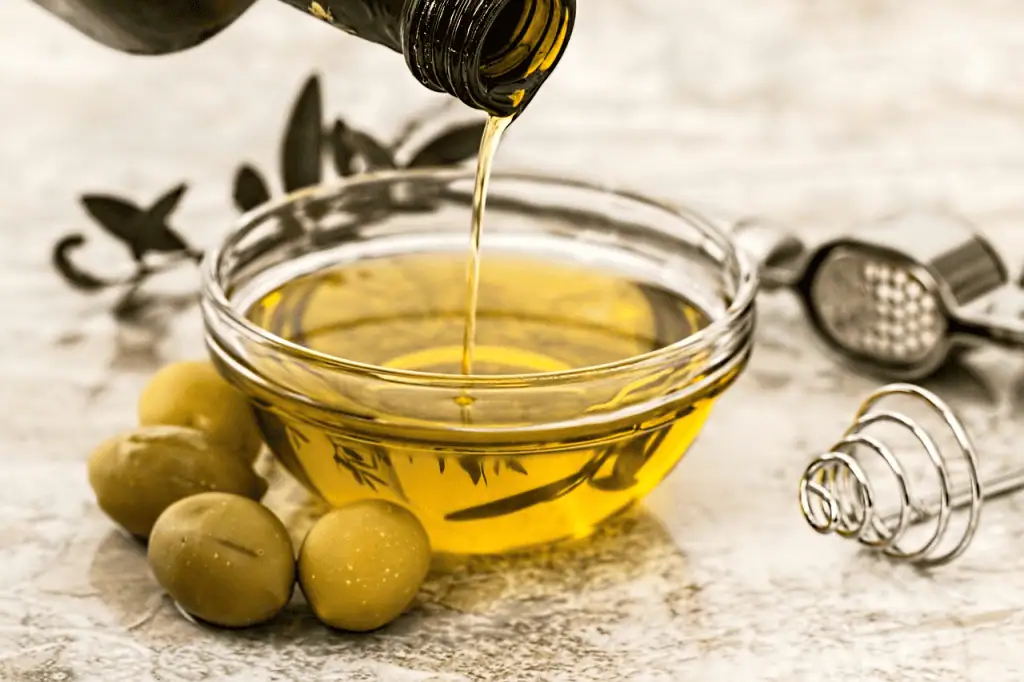
Oils, shortening, and lard were tightly regulated because they were needed for producing explosives and military supplies. Selling extra amounts was illegal, and many stores didn’t receive enough supplies to meet demand. Housewives saved leftover drippings and bacon fat for frying and baking. Government campaigns encouraged turning in used grease to aid the war effort.
Canned Fish (Like Tuna and Sardines)

Because fishing fleets were redirected to military use and shipping lanes were dangerous, canned fish became scarce and restricted. Civilians often couldn’t purchase tuna or sardines without ration points. Families turned to fresh fish when available or relied on cheaper protein options. The shortage highlighted just how dependent Americans were on pantry staples.
Dried Fruit
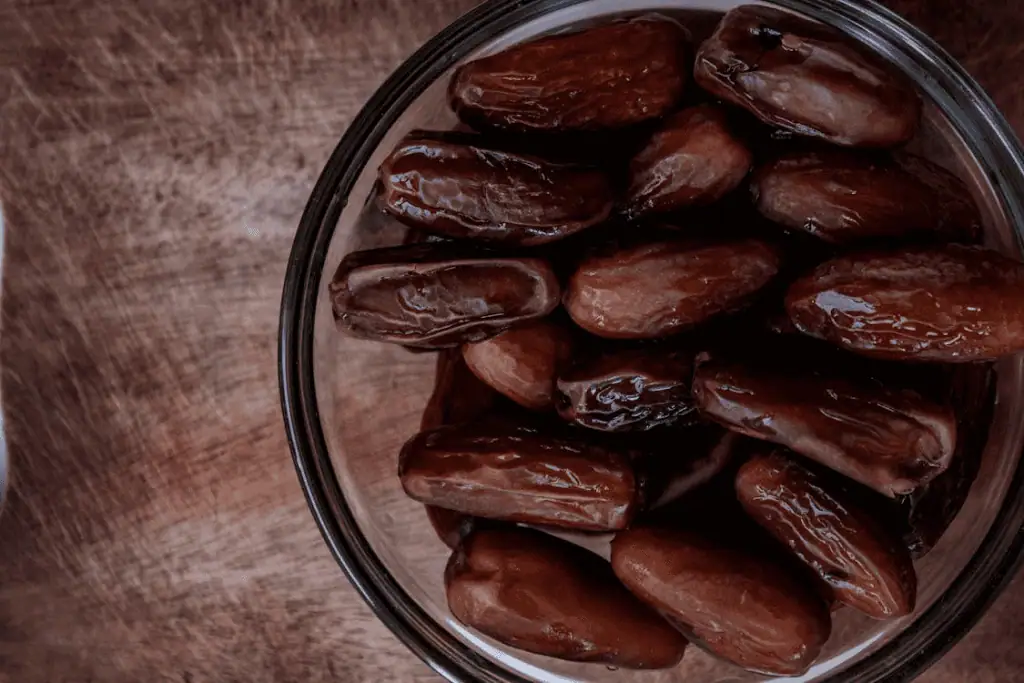
Items like raisins, prunes, and apricots were rationed because they lasted long and were ideal for military nutrition packs. Selling them freely was prohibited, and they became valuable ingredients often saved for holiday baking. Home cooks substituted fresh or canned fruit when possible, and many classic WWII-era desserts emerged from the need to stretch limited dried fruit supplies.


