
10 everyday foods that can turn risky when handled wrong

In every kitchen, some foods carry risks if not handled with care. Despite their common presence, mishandling can lead to foodborne illnesses that could otherwise be avoided. Understanding these risks and implementing safe practices can make all the difference in maintaining a healthy dining experience. Exploring the proper handling of everyday foods allows home cooks to confidently prepare meals while minimizing potential hazards.
Raw Chicken: A Bacterial Hotbed
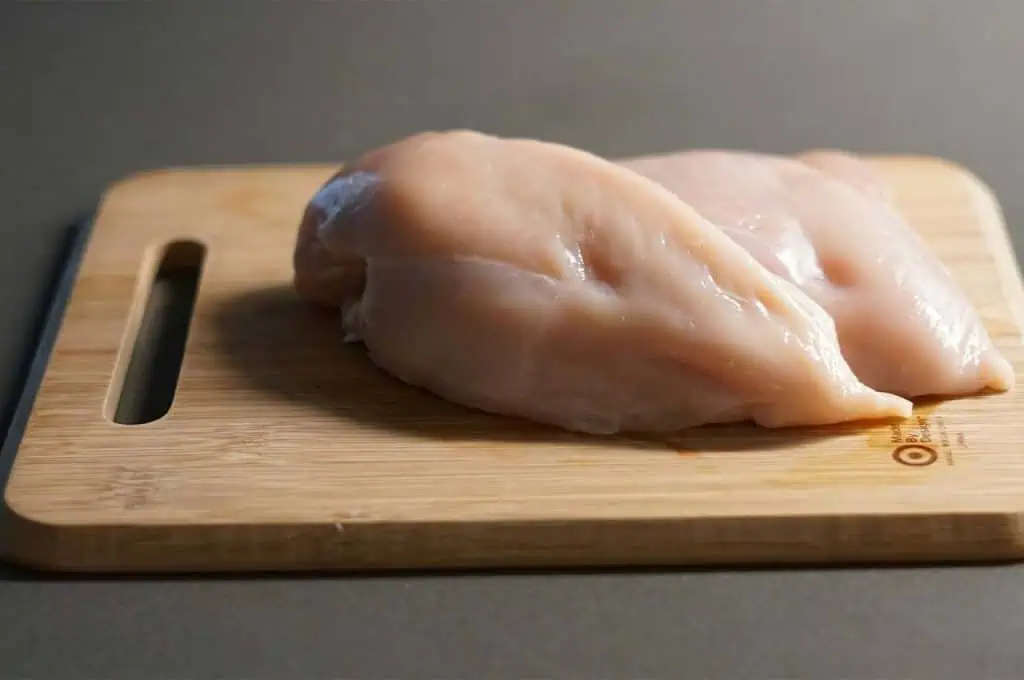
Raw chicken requires meticulous handling due to its propensity to harbor bacteria such as Salmonella and Campylobacter. Ensure raw chicken is stored in sealed containers on the bottom shelf of the refrigerator to prevent any drips from contaminating other foods. When preparing, use a dedicated cutting board and knife, washing them thoroughly with hot, soapy water immediately after use. Cook to an internal temperature of 165°F, using a reliable meat thermometer to verify doneness, thereby ensuring safety and eliminating harmful bacteria.
Leafy Greens: Nutritious Yet Risky
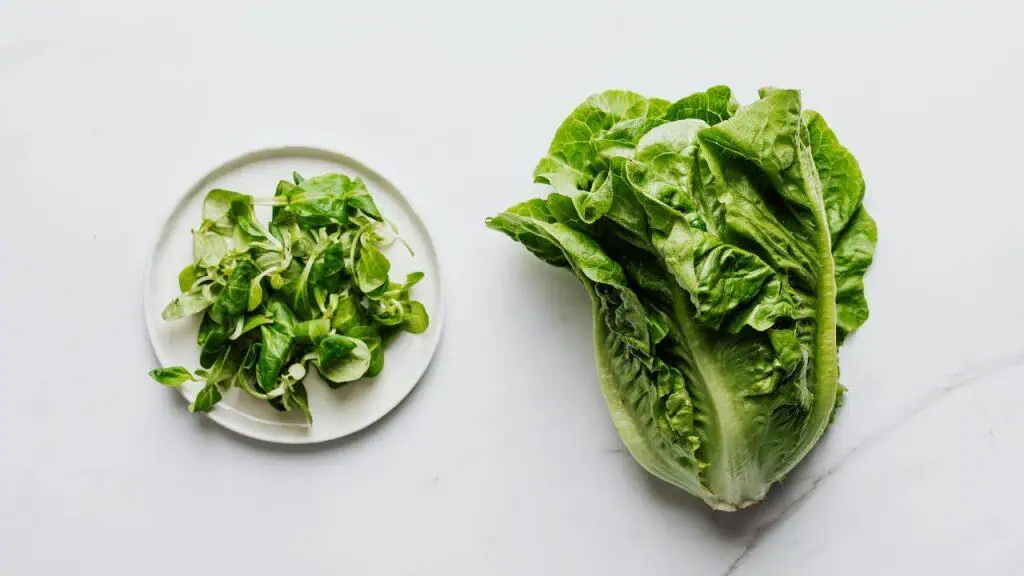
Leafy greens are healthful, yet they can carry pathogens like E. coli if mishandled. To reduce risk, always wash greens under cold running water before use, even if they’re pre-washed, to remove any residual dirt or bacteria. Dry them carefully in a salad spinner to avoid excess moisture, which can promote bacterial growth. Store them loosely wrapped in a clean towel or paper towel in the crisper drawer, maintaining air circulation and reducing spoilage while preserving their nutrients and freshness.
Eggs: Delicious but Dangerous Undercooked

Eggs are versatile and nutritious, yet can pose a risk if undercooked due to Salmonella. Store eggs in their original carton on a refrigerator shelf, not the door, to maintain a consistent temperature. When preparing, aim for fully cooked yolks and whites, especially in dishes like scrambled eggs or omelets. If recipes call for raw or lightly cooked eggs, use pasteurized eggs to minimize risk. Safe handling ensures eggs remain a delicious and valuable ingredient in any meal, free from worry.
Shellfish: Quickly Spoils, Serious Illness
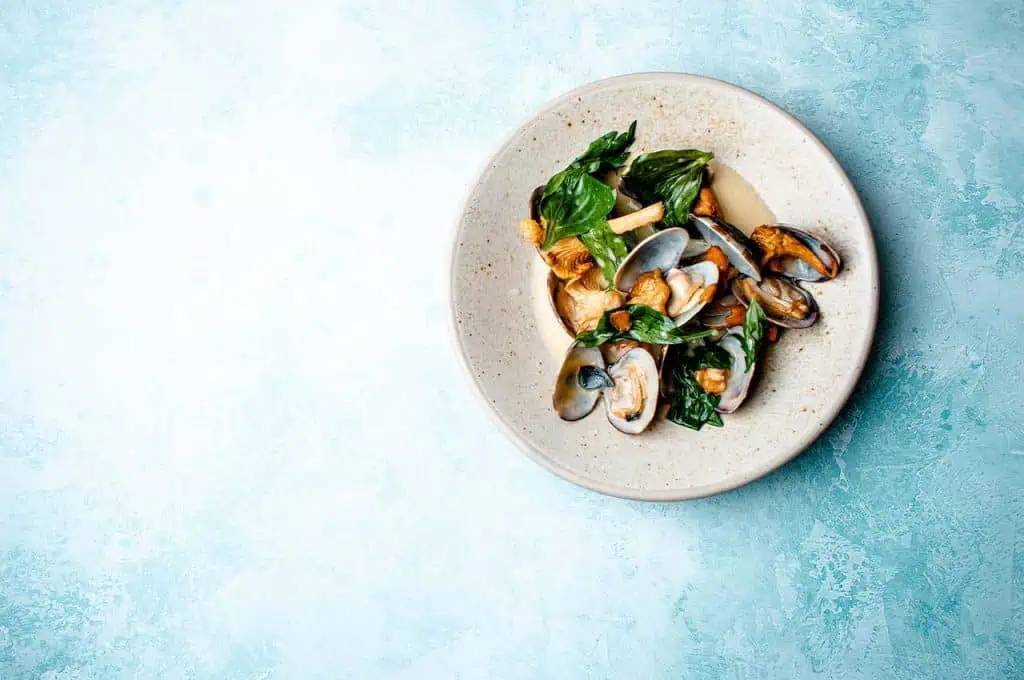
Shellfish are a delightful delicacy but prone to rapid spoilage and can cause severe illness if not kept in optimal conditions. Purchase from reputable suppliers and check for any unpleasant odors or broken shells. Store in the coldest part of the refrigerator and use within a day or two. Cook shellfish to an internal temperature of at least 145°F or until they fully open and turn opaque. Proper handling and cooking minimize the risk of harmful bacteria like Vibrio, making shellfish both safe and delectable.
Rice: Unexpected Bacterial Breeding Ground
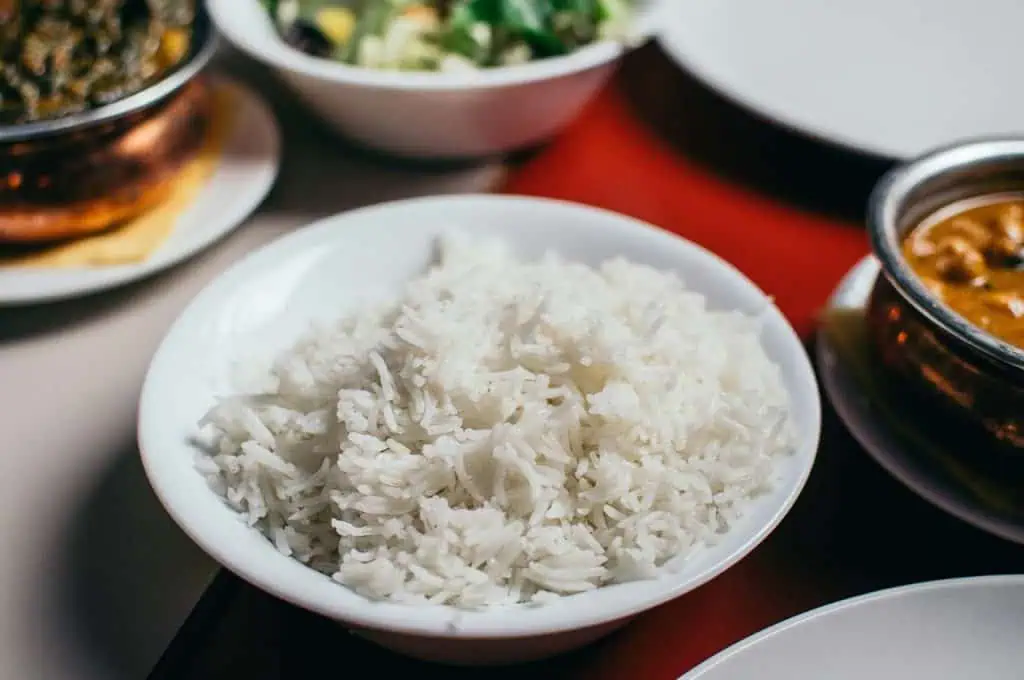
Cooked rice can become a surprising haven for bacteria if left at room temperature for too long. Bacillus cereus, a spore-forming bacterium, thrives in cooked rice left unrefrigerated. To keep your meals safe, cool rice rapidly after cooking by spreading it in a thin layer on a baking sheet or placing it in shallow containers. Store it in the refrigerator within two hours of cooking and aim to consume within one to two days. Reheat thoroughly to a steaming hot temperature before serving to ensure any bacteria are effectively neutralized.
Potatoes: Safe Until Stored Poorly

Potatoes stored incorrectly can develop toxins like solanine, especially when exposed to light or stored at high temperatures. Choose a cool, dark place for storage, away from onions, which can hasten spoilage. Check regularly for sprouts or green patches as these indicate toxin formation; cut them away before cooking. Enjoy potatoes boiled, roasted, or mashed by ensuring thorough washing and peeling to further reduce any potential risk posed by improper storage.
Ground Beef: Surface Area Safety Concerns

The increased surface area in ground beef compared to whole cuts makes it susceptible to bacterial contamination like E. coli. Purchase fresh and consume it soon after purchase, or freeze immediately if not using within a day or two. Cook ground beef to a minimum internal temperature of 160°F (71°C), using a meat thermometer for accuracy. Avoid cross-contamination by using separate utensils and cutting boards when handling raw meat, ensuring your kitchen surfaces remain safe and clean.
Sprouts: Nutrient-Rich with Germ Risks

Sprouts, while nutrient-packed, can harbor harmful bacteria due to their warm, humid growing conditions. Rinse thoroughly under cool water before use, even if labeled pre-washed. Consume sprouts cooked when possible; adding to a stir-fry or topping soups can lower bacterial risks. If raw, ensure they come from a reputable source and have been properly refrigerated. Older adults, young children, pregnant women, and those with weakened immune systems should avoid raw sprouts altogether for safety.
Deli Meats: Easy Listeria Threat

Deli meats present a Listeria risk, capable of growing even when refrigerated. Choose products with reliable sell-by dates and consume within three to five days of opening the package. Store in the coldest section of your fridge, typically near the back. Consider heating deli meats until steaming before consumption, especially if serving at-risk groups like pregnant women or the elderly. This simple step can significantly reduce the likelihood of Listeria infection, making these convenient options safer to enjoy.
Leftovers: Only Safe When Reheated Properly

Leftovers offer convenience, but improper reheating can lead to health risks. When reheating, ensure that food reaches an internal temperature of 165°F to eliminate harmful bacteria. Use a food thermometer to verify. Cover dishes to retain moisture and promote even heating. Stir soups, stews, and casseroles midway through microwaving to avoid cold spots where bacteria can thrive. For oven reheating, use a low temperature and allow extra time. Avoid reheating more than once to maintain both safety and taste. Proper storage, within two hours of cooking, is critical to safety.


