
10 Everyday Foods Now Considered Superfoods

The term “superfood” was once reserved for rare or imported ingredients, but that definition has quietly changed. Today, many foods already sitting in American kitchens are being reclassified for their nutrient density, long-term health benefits, and versatility. These foods aren’t trendy because of marketing hype; they’re gaining recognition because science and dietary habits have caught up to what families have been eating all along. Their rise shows how everyday eating can support wellness without dramatic changes or expensive choices.
Eggs

Eggs are now widely considered a superfood due to their complete protein profile and nutrient density. They contain essential amino acids, choline for brain health, and vitamins that support vision and muscle function. Once criticized for cholesterol, eggs are now valued for balance and satiety. Their affordability and versatility make them accessible across meals, proving that nutrient-rich foods don’t need to be exotic or costly to be effective.
Oats

Oats have moved into superfood territory because of their soluble fiber content, particularly beta-glucan, which supports heart health and blood sugar stability. As a breakfast staple, oats provide sustained energy and promote fullness. Their minimal processing and long shelf life add to their appeal. Oats demonstrate how simple grains can deliver meaningful health benefits when consumed regularly as part of everyday routines.
Beans

Beans are increasingly recognized as superfoods due to their combination of plant protein, fiber, and micronutrients. They support digestion, heart health, and long-term energy while remaining affordable and filling. Beans also help stabilize blood sugar and promote gut health. Their versatility across cuisines and meals highlights how traditional staples can outperform more expensive protein sources nutritionally.
Yogurt
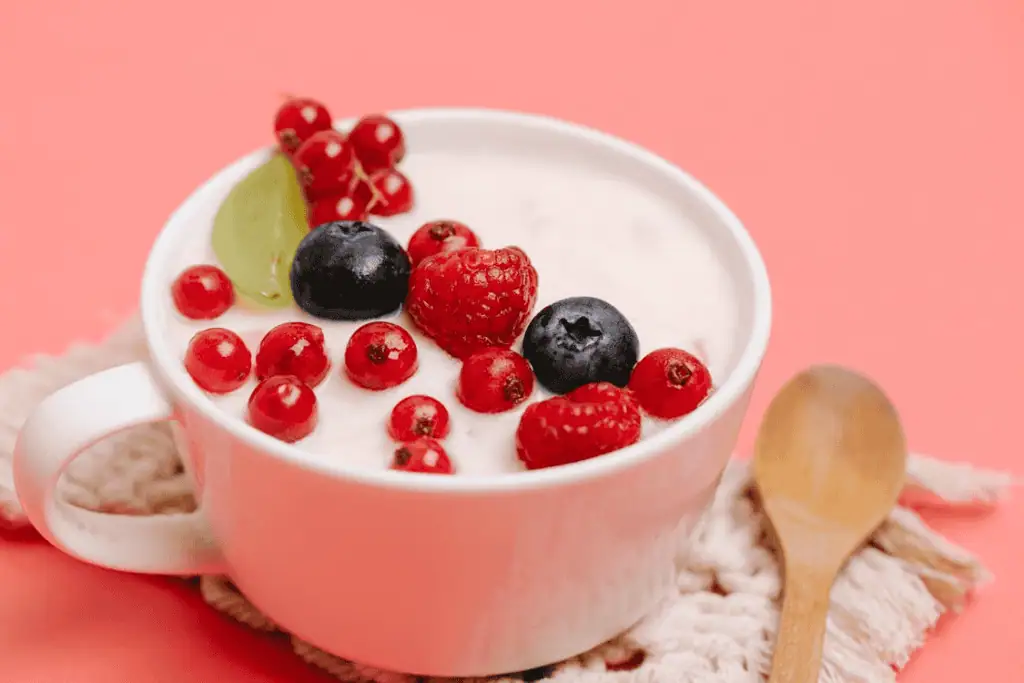
Yogurt has gained superfood status because of its probiotic content, which supports gut health and immune function. It also provides protein, calcium, and vitamins essential for bone strength. Yogurt’s appeal lies in its balance of nutrition and convenience, fitting easily into snacks, breakfasts, and meals. Its widespread availability makes gut-supportive eating accessible rather than specialized.
Sweet Potatoes

Sweet potatoes are now considered superfoods due to their high levels of beta-carotene, fiber, and antioxidants. They support vision, immune health, and digestion while offering natural sweetness. Their versatility in both savory and sweet dishes makes them easy to incorporate regularly. Sweet potatoes show how familiar produce can deliver exceptional nutritional value without complicated preparation.
Leafy Greens
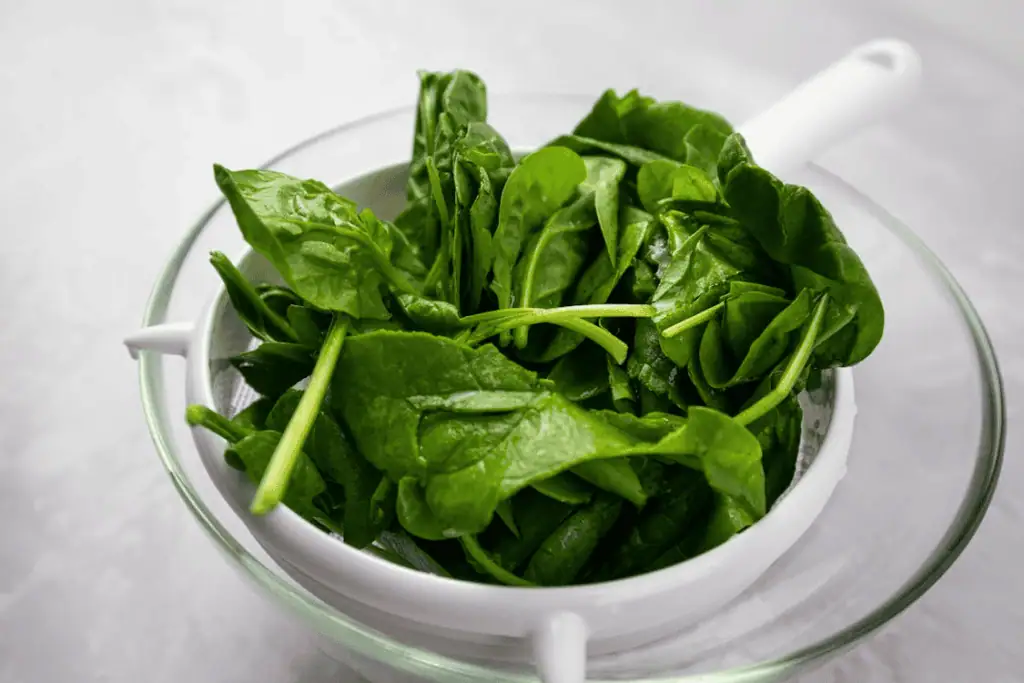
Leafy greens like spinach and kale have earned superfood recognition for their concentration of vitamins, minerals, and antioxidants. They support heart health, bone strength, and inflammation reduction. Once seen as side ingredients, they are now central to many meals. Their nutrient density relative to calorie count highlights why simple vegetables remain foundational to healthy eating.
Garlic

Garlic has long been used for flavor, but it is now valued for compounds that support heart health and immune function. Regular consumption has been linked to reduced inflammation and improved circulation. Garlic’s superfood status comes from its medicinal qualities paired with everyday use. Its presence in countless dishes makes health benefits feel effortless rather than intentional.
Berries
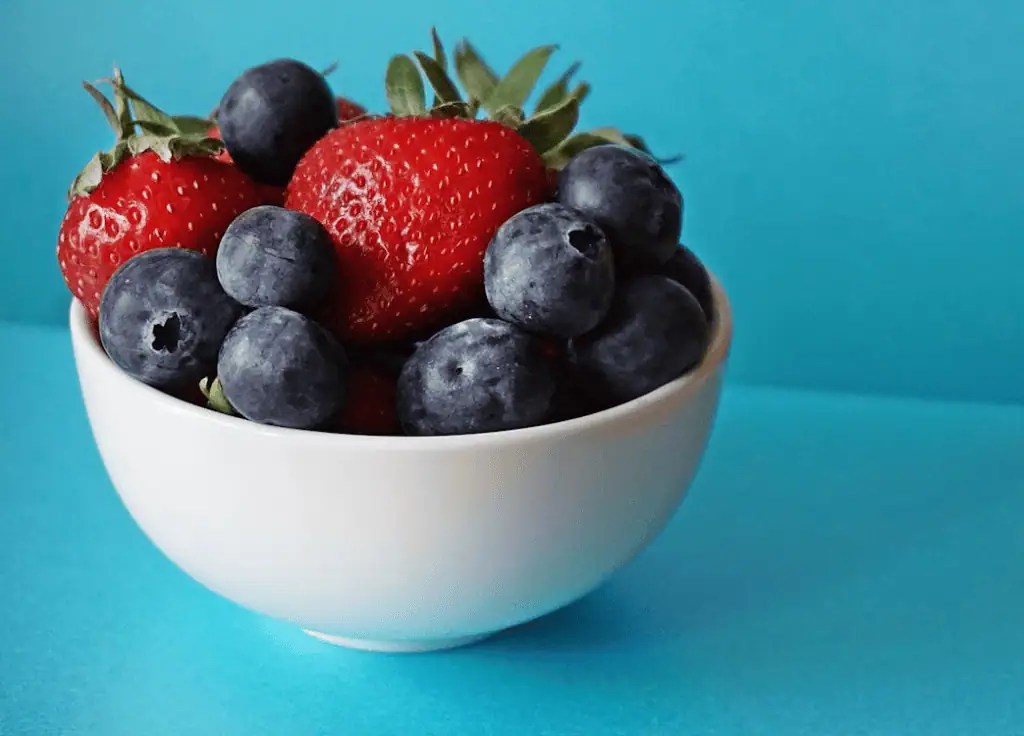
Berries are considered superfoods due to their antioxidant content, which supports brain health and reduces oxidative stress. Blueberries, strawberries, and raspberries are widely accessible and easy to consume fresh or frozen. Their natural sweetness and versatility make them easy to include daily. Berries show how snacks and desserts can also be nutrient-rich rather than empty calories.
Nuts

Nuts have gained superfood recognition for their healthy fats, protein, and micronutrients that support heart and brain health. Almonds, walnuts, and peanuts provide satiety and sustained energy. Their portability makes them practical for everyday snacking. Nuts illustrate how calorie-dense foods can still be nutritionally beneficial when consumed mindfully.
Olive Oil

Olive oil is now firmly categorized as a superfood due to its monounsaturated fats and antioxidant compounds. It supports cardiovascular health and reduces inflammation when used regularly. As a cooking staple, olive oil replaces less beneficial fats without requiring a dietary overhaul. Its rise confirms that foundational cooking ingredients can play a central role in long-term health.


