
10 Everyday Foods Americans Are Quietly Cutting Back On in 2025

In 2025, American eating habits are shifting in subtle but measurable ways. Rather than dramatic diet overhauls, many people are quietly reducing how often they consume certain everyday foods. Rising grocery prices, improved nutrition literacy, concerns about inflammation and energy levels, and a growing preference for less-processed options are all playing a role. These changes aren’t about eliminating foods entirely, but about frequency and portion. Items once considered daily staples are now being eaten more selectively as Americans prioritize balance, long-term health, and intentional eating over habit and convenience.
Sugary Breakfast Cereals
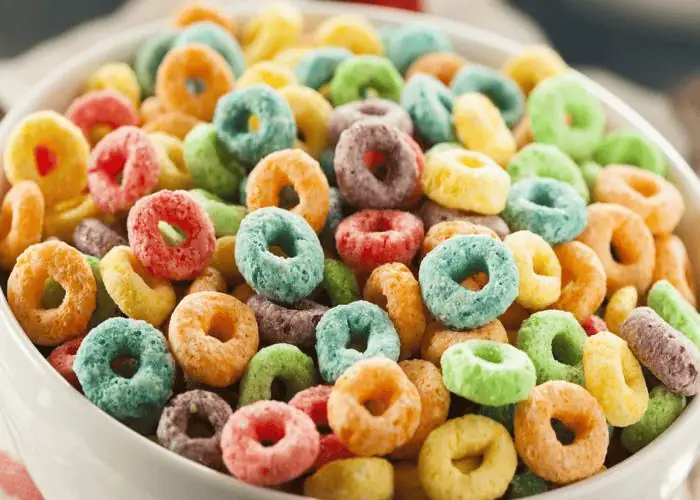
Sugary breakfast cereals are losing their everyday status as Americans pay closer attention to added sugar and protein intake. Once marketed as a complete breakfast, many cereals now feel more like dessert in the morning. Adults are increasingly replacing them with oatmeal, eggs, yogurt, or savory breakfasts that provide steadier energy. Parents are also limiting sugary cereals to occasional treats rather than daily meals. The shift reflects broader awareness of blood sugar spikes and the desire for breakfasts that support focus and fullness throughout the morning.
Processed Lunch Meats

Processed lunch meats are being consumed less frequently as health concerns around sodium, preservatives, and ultra-processing grow. While still convenient, many Americans are choosing to rotate them out of daily lunches in favor of roasted meats, plant-based fillings, or leftovers. Increased awareness of long-term health risks has made these meats feel less suitable as everyday staples. Rather than cutting them out completely, households are treating deli meats as occasional options instead of default sandwich fillers.
Soda and Sugary Drinks
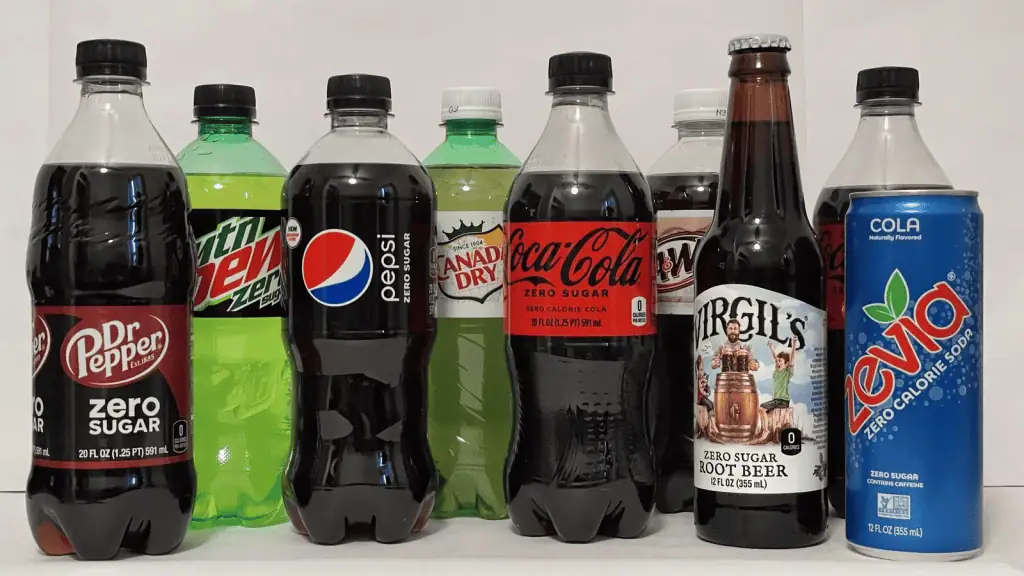
Soda consumption continues to decline as Americans become more mindful of sugar intake and hydration. Many people are swapping traditional soft drinks for sparkling water, flavored seltzers, unsweetened tea, or low-sugar alternatives. Younger generations in particular are driving this shift, viewing soda as outdated or overly sweet. While soda still appears at gatherings and restaurants, it’s no longer a daily drink for many households. The change reflects a growing preference for beverages that support energy without sugar crashes.
White Bread and Refined Grains

White bread and refined grain products are slowly being replaced by whole-grain options as fiber and digestion gain importance. Once valued for softness and shelf life, white bread now feels nutritionally lacking to many shoppers. Whole wheat, sprouted grain, and seeded breads are becoming more common choices for everyday meals. This shift isn’t driven by strict dieting, but by a desire for longer-lasting fullness and better blood sugar control, making refined grains less appealing as daily staples.
Frozen TV Dinners
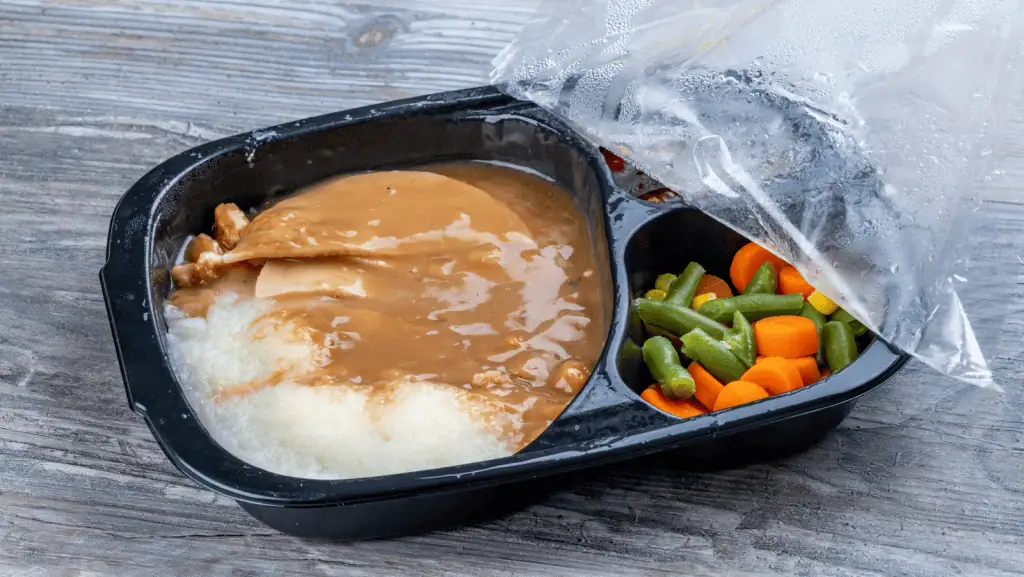
Highly processed frozen meals are being used less often as Americans rethink convenience food. Concerns about sodium, preservatives, and lack of freshness are pushing people toward batch cooking, simple home meals, or fresh prepared options. While frozen vegetables remain popular, microwaveable entrées are losing favor as everyday solutions. Many households now see them as emergency meals rather than regular dinner plans, reflecting a broader move toward foods that feel closer to homemade.
Traditional Candy
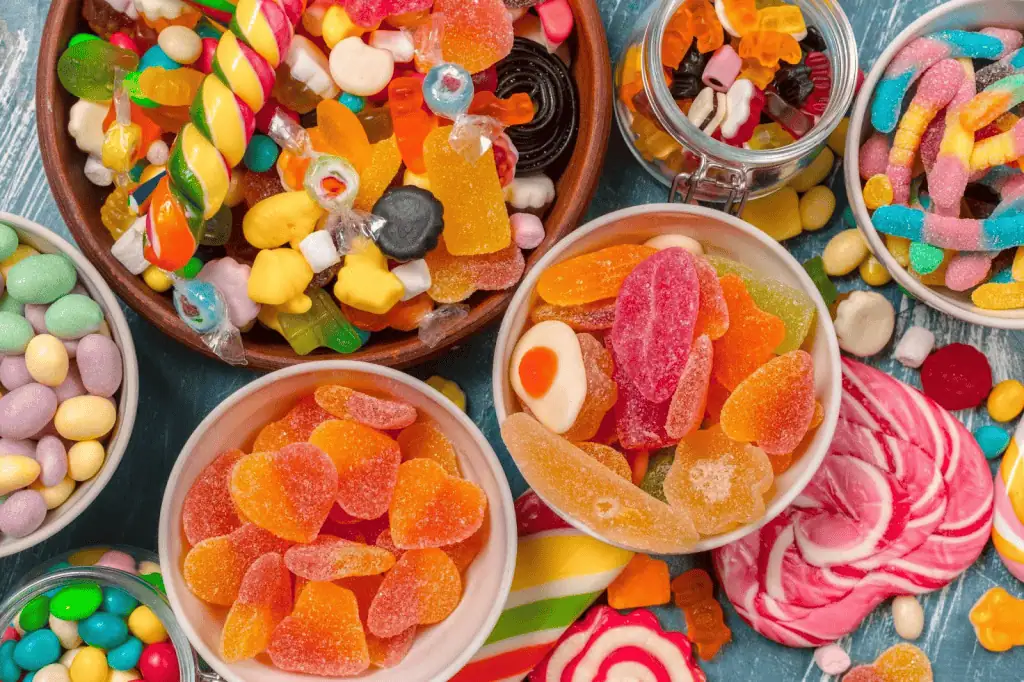
Traditional candy bars and packaged sweets are being consumed more selectively in 2025. Rather than eliminating sweets entirely, Americans are cutting back on frequency and portion size. Dark chocolate, fruit-based desserts, and lower-sugar treats are increasingly replacing conventional candy. Parents are also limiting candy outside of holidays. This quiet reduction reflects greater awareness of how sugar affects energy, mood, and overall health, without rejecting treats altogether.
Store-Bought Baked Goods

Packaged muffins, pastries, and frosted baked goods are appearing less often in everyday grocery carts. Many Americans now see them as overly processed and sugar-heavy for regular consumption. Home baking, portion-controlled treats, or simpler desserts are replacing daily bakery items. Social media trends emphasizing scratch cooking have also influenced this shift. Store-bought baked goods are becoming occasional indulgences rather than automatic breakfast or snack choices.
Ice Cream as a Daily Dessert

Ice cream remains popular, but fewer Americans treat it as a daily dessert. Concerns about sugar, portion size, and overall balance are encouraging people to enjoy it more intentionally. Many households now reserve ice cream for weekends or special occasions. Alternatives like yogurt-based desserts or smaller servings are also gaining traction. This change reflects mindful indulgence rather than restriction, allowing enjoyment without excess.
Salty Snack Chips
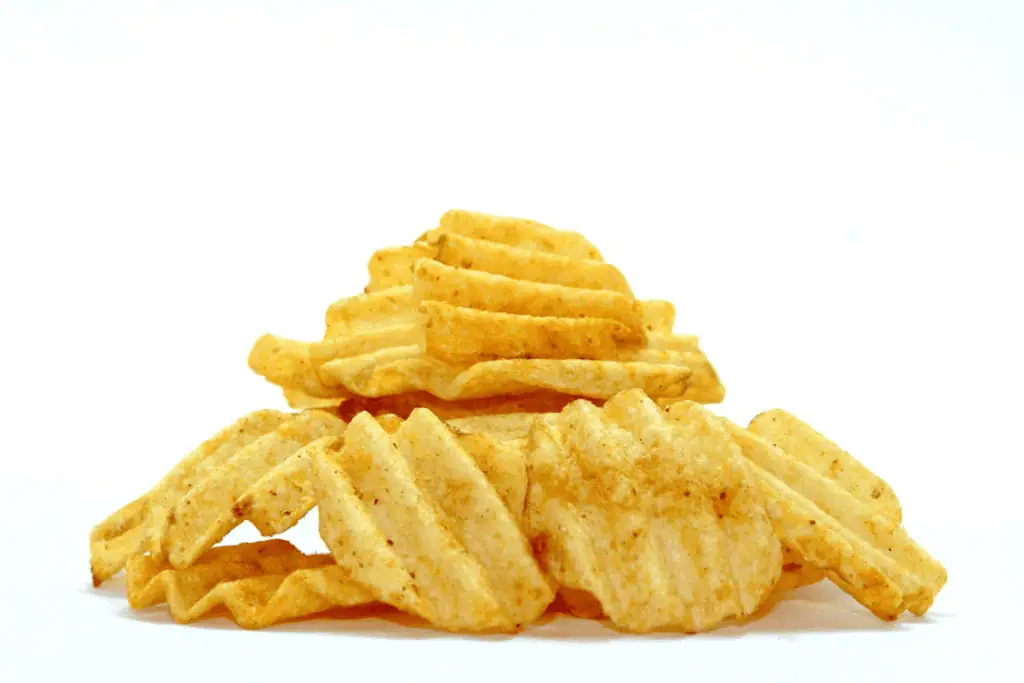
High-sodium snack chips are being eaten less frequently as awareness of blood pressure and heart health grows. While chips are still enjoyed at parties and gatherings, everyday snacking is shifting toward popcorn, nuts, or whole-food options. Many consumers are also choosing lower-sodium versions when available. The goal isn’t to eliminate crunch, but to reduce excessive salt intake while maintaining satisfying snack habits.
Energy Bars as Daily Meals
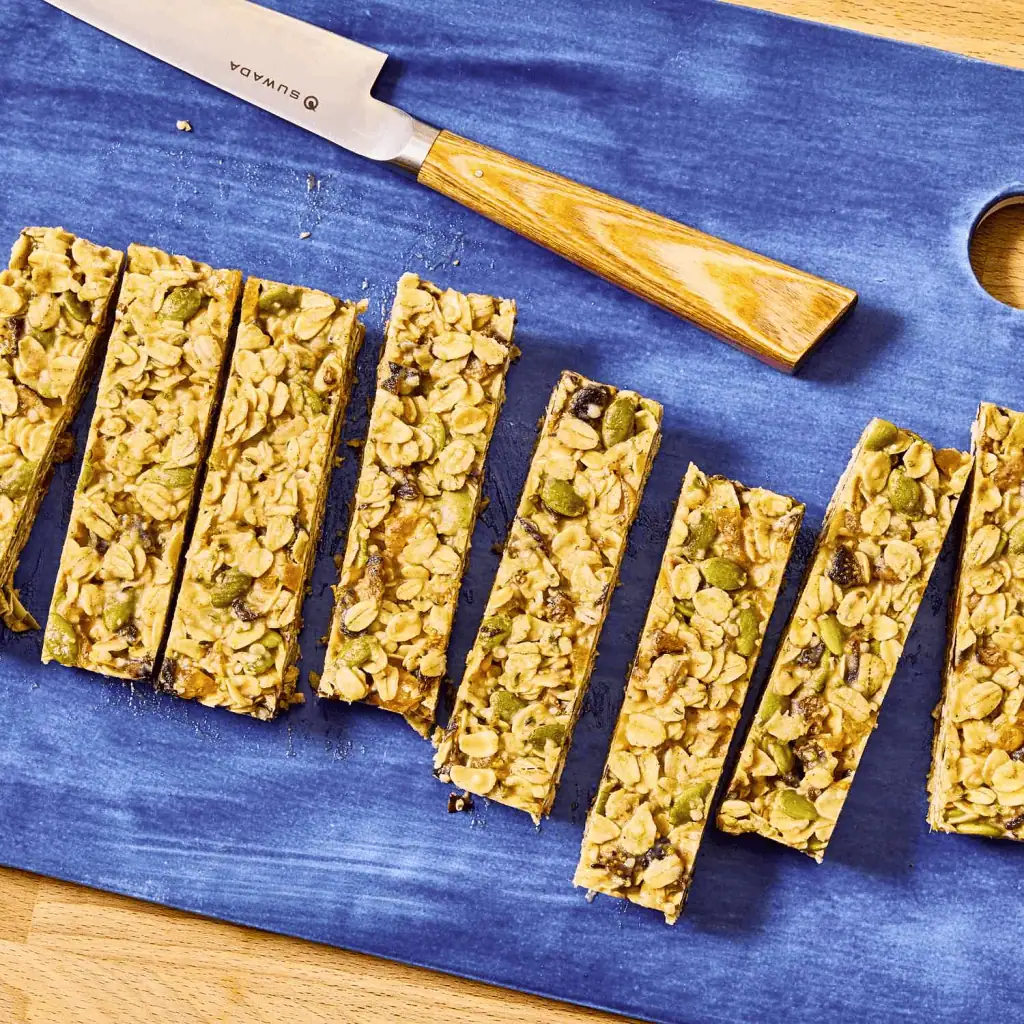
Energy bars are losing their role as everyday meal replacements as Americans scrutinize ingredient lists more closely. Many bars contain hidden sugars and processed fillers, making them less appealing for daily use. People are increasingly opting for whole-food snacks like fruit, nuts, yogurt, or simple sandwiches. Energy bars are now treated as occasional convenience items rather than nutritional foundations, reflecting a broader shift toward real-food eating.


