
10 Chefs Who Revolutionized Cooking

Through history, certain chefs have reshaped culinary landscapes, turning cooking into an art. Their innovations have transformed not only flavors but also techniques and presentations, inspiring both professional chefs and home cooks. This guide highlights 10 extraordinary chefs who redefined how we approach food, making their mark with vision and skill. Without delving into unnecessary complexities, you'll find practical insights into how these culinary giants paved the way for modern cooking.
Auguste Escoffier: The Pioneer of Modern Cuisine

Escoffier streamlined kitchen operations with the brigade system, revolutionizing restaurant service and kitchen efficiency. His contributions to classic French cuisine include organizing recipes with precision, leading to the seminal work, “Le Guide Culinaire.” His dedication to flavor balance and elegant presentation continues to influence chefs today. Escoffier’s disciplined approach makes mastering French cooking both achievable and refined, providing a reliable foundation in culinary arts.
Ferran Adrià: The Innovator of Molecular Gastronomy
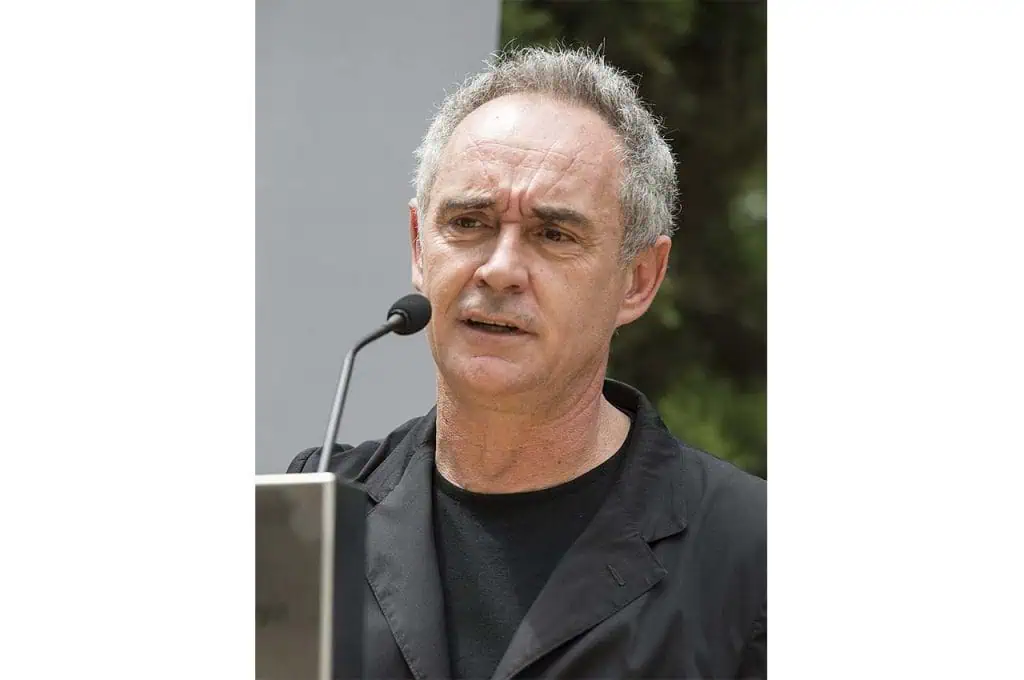
Ferran Adrià’s influence extends beyond flavors, venturing into the realm of chemistry and art. At El Bulli, he experimented with textures and techniques like spherification and foams, offering diners a multi-sensory experience. His work encouraged chefs to question traditional ingredients, focusing on taste architecture. For enthusiasts, his approach highlights precision and creativity in crafting memorable culinary experiences, pushing boundaries with a scientific edge.
Marie-Antoine Carême: The Architect of Haute Cuisine

Marie-Antoine Carême elevated cooking to an art form during the early 19th century, focusing on elaborate presentations and rich flavors. His expertise in developing “mother sauces” established a basis for French cuisine. Carême's meticulous techniques and attention to detail offer vital lessons in creating layered dishes with depth. His legacy in haute cuisine encourages chefs to consider visual elements alongside taste, showcasing food in its most opulent form.
Bartolomeo Scappi: The Renaissance Master

Scappi, revered in the 16th century, chronicled his expertise in the monumental cookbook “Opera dell’Arte del Cucinare.” He introduced innovative methods and diverse recipes that captured the essence of Renaissance food. Renowned for his intricate banquet designs and focus on ingredients like spices and exotic produce, Scappi's work promotes an appreciation for historical techniques and flavors. His influence invites chefs to explore tradition with modern flair, blending past and present.
Julia Child: Bringing French Cuisine to America

Julia Child introduced home cooks to the intricacies of French cuisine, emphasizing technique and precision. Her approach to sauces, particularly the classic béchamel, highlights the importance of capturing the right consistency and flavor balance. Child's method involves patiently whisking butter and flour, then gently incorporating milk to prevent lumps—a practice essential for smoothness. Her dedication to demystifying recipes like boeuf bourguignon enabled cooks to appreciate the depth of slow-cooked meats and the layered complexity of flavors, transforming everyday meals into culinary experiences.
Alice Waters: Champion of Fresh, Local Ingredients

Alice Waters revolutionized farm-to-table dining by prioritizing seasonal, locally-sourced ingredients. Her approach emphasizes the innate flavors of fresh produce, encouraging minimalistic preparations to allow natural tastes to shine. Waters' technique involves lightly grilling vegetables, enhancing their sweetness and offering a delightful contrast with a crisp exterior. She advocates for using simple vinaigrettes to dress salads, ensuring a balance that complements without overpowering. By focusing on quality and simplicity, Waters inspired cooks to connect with their ingredients and celebrate the nuances of fresh, local food.
Wolfgang Puck: Fusing Cultures on the Plate
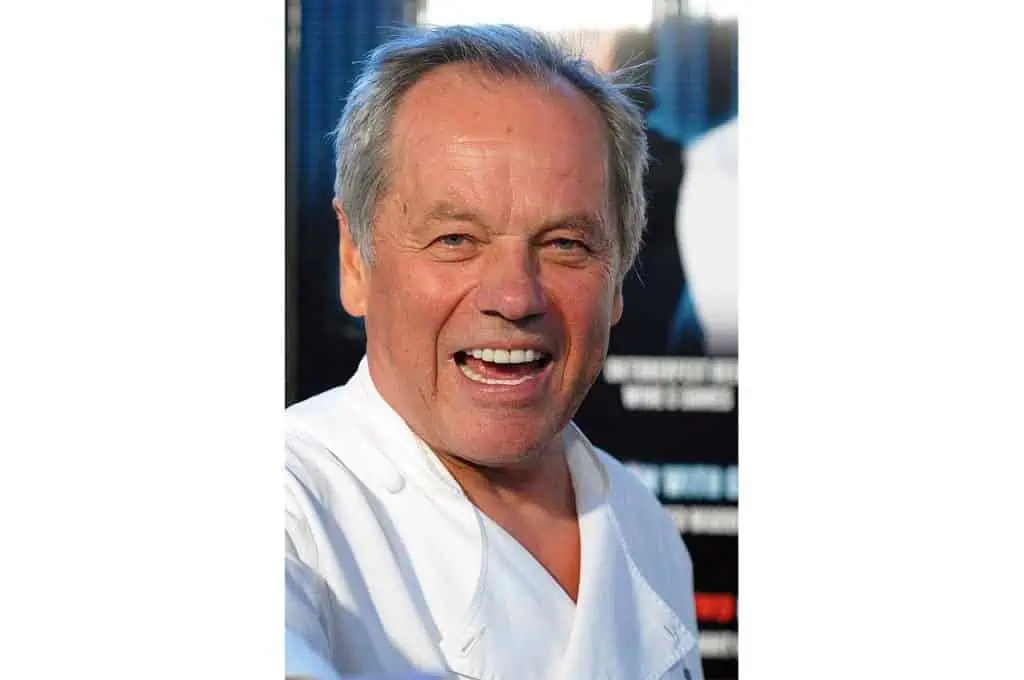
Wolfgang Puck introduced dynamic fusion cuisine, marrying diverse flavors and techniques from different cultures. Known for his innovative take on dishes like his signature smoked salmon pizza, Puck transforms traditional recipes by applying bold, unconventional pairings. He expertly balances textures and tastes, leveraging the smoky richness of salmon against the creamy tang of dill spiked crème fraîche. His ability to blend Eastern and Western elements seamlessly inspires cooks to experiment confidently, always considering complementary flavors and textures to create unique culinary experiences.
Joël Robuchon: Maestro of French Gastronomy

Joël Robuchon's commitment to precision and refinement cemented his status as a master of French cuisine. His renowned dish, purée de pommes de terre, exemplifies his meticulous technique—achieving a velvety texture through careful selection of starchy potatoes and incorporating butter with precision. He elevates traditional recipes by enhancing fundamental flavors, ensuring balance and depth. Robuchon's practice involves using fine sieving for a silkier finish, urging cooks to embrace simplicity and detail, allowing essential elements to consistently elevate the dining experience.
Gordon Ramsay: The Perfectionist Entrepreneur

Gordon Ramsay's dedication to precision and quality is evident in his approach to both cooking and entrepreneurship. Known for his rigorous standards, Ramsay popularizes techniques like pan-searing meats to achieve the perfect crust. His method involves ensuring the pan is hot enough, using a blend of oil and butter to enhance caramelization and flavor. Ramsay emphasizes timing and temperature, ensuring internal tenderness aligns with a succulent exterior. His emphasis on detail challenges cooks to elevate mundane tasks into opportunities for excellence, reflecting a meticulous pursuit of culinary perfection.
Alexis Soyer: The Culinary Philanthropist
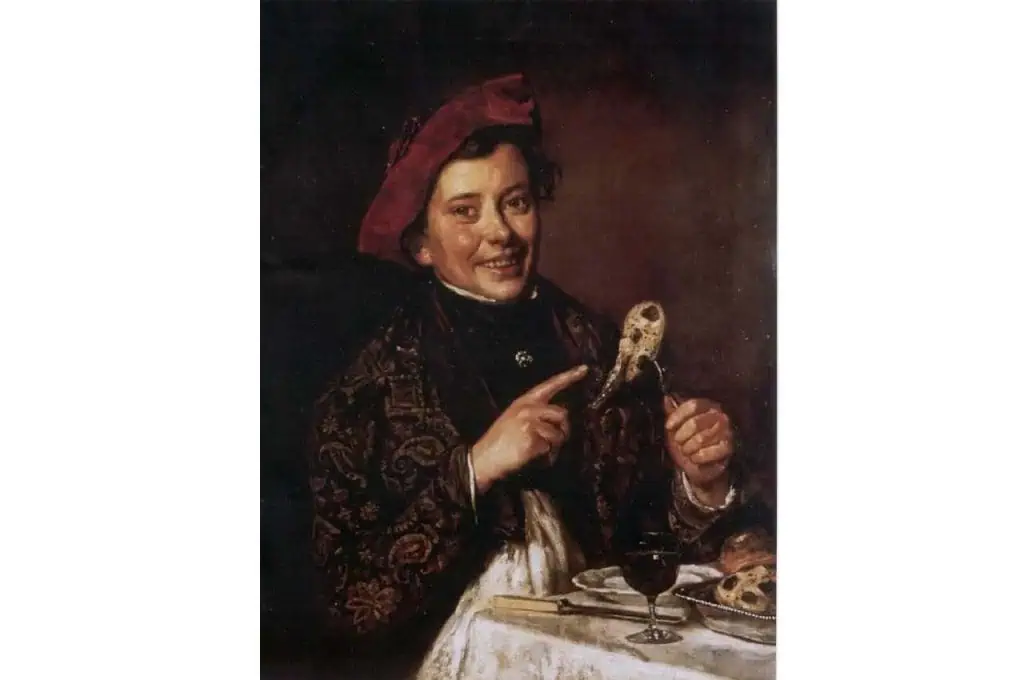
Alexis Soyer, a prominent 19th-century chef, transformed the culinary world with his innovative approach to cooking and philanthropy. Known for his role in modernizing professional kitchens, Soyer emphasized the importance of efficiency and hygiene. He invented the Soyer stove, a portable cooking device that was critical during the Crimean War, allowing soldiers to enjoy hot meals on the battlefield. His recipes focused on making nutritious food accessible, often featuring simple ingredients used in novel ways. Soyer's legacy includes advocating for the poor, hosting soup kitchens, and writing cookbooks that combined practical advice with culinary excellence. His techniques and inventions serve as a testament to the impact of a chef beyond the confines of a kitchen.


