
10 Boomer Food Habits Gen Z Thinks Are Completely Outdated

Every generation has its signature eating habits, and boomers grew up with routines shaped by convenience foods, strict meal schedules, and ingredients that defined mid-century kitchens. But Gen Z, raised in a world of global flavors and on-demand trends, sees many of those traditions as outdated. What once felt practical or comforting now seems overly rigid or overly processed. These are the food habits Gen Z most often labels old-school and the ones they’re quickest to replace.
Eating Well-Done Meat Only

Boomers often insisted on cooking meat until it was fully browned, believing anything pink was unsafe. Gen Z sees this as unnecessary and flavor-killing, preferring medium or medium-rare cuts that stay juicy and tender. Modern food safety guidelines and better meat quality have shifted expectations, leaving younger diners surprised at how dry boomer-style roasts and steaks can be. What was once caution now feels excessive.
Keeping Canned Vegetables as a Staple

Many boomer kitchens relied heavily on canned peas, green beans, and carrots because they were affordable and convenient. Gen Z, raised with easy access to frozen and fresh produce, often views these soft, muted vegetables as unappealing. They prefer crisp textures and vibrant colors that canned versions rarely deliver. While canned goods still have their place, the idea of using them as a default feels outdated to younger cooks.
Serving Everything With Mayonnaise

From potato salads to sandwiches, mayonnaise was a go-to binder in boomer households. But Gen Z, influenced by global cuisine, often sees the “mayo on everything” habit as bland and overly heavy. They prefer yogurt, avocado, spicy sauces, or lighter dressings that pack more flavor. To them, mayo’s dominance reflects a narrower era of American cooking rather than a truly versatile ingredient.
Eating the Same Meal Every Week
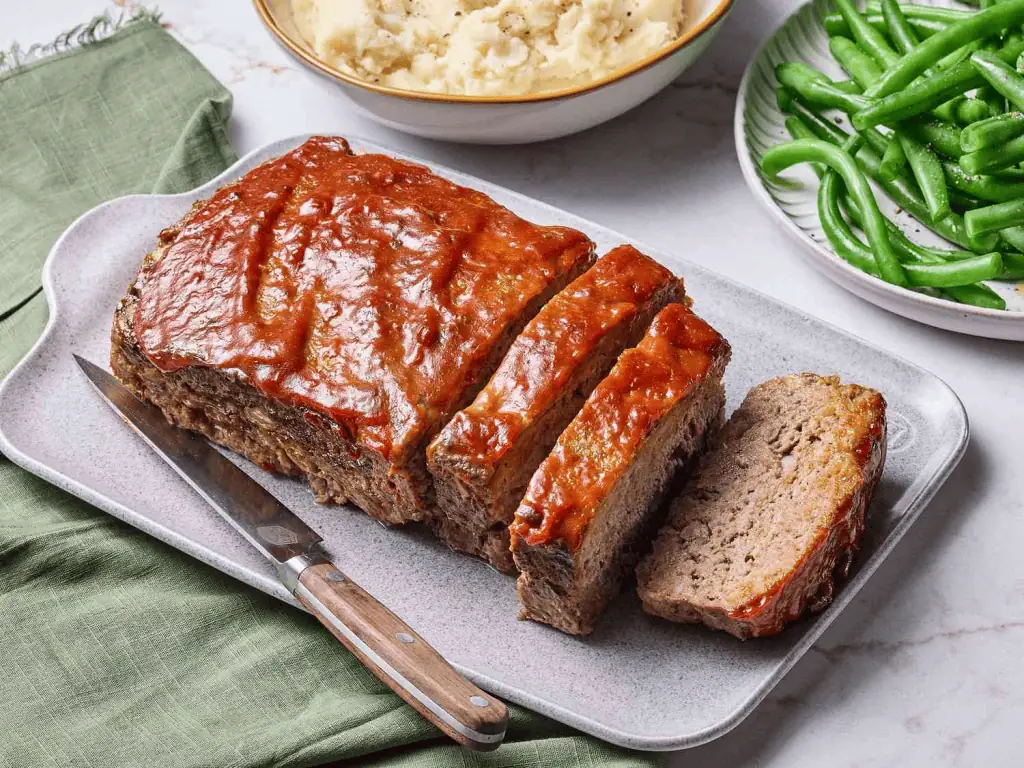
Boomers often stuck to weekly meal rotations: meatloaf Mondays, casserole Wednesdays, and roast Sundays. Gen Z finds this repetitive, especially with access to online recipes and multicultural flavors. For younger cooks, food is an opportunity to experiment rather than stick to a schedule. What boomers saw as stability, Gen Z sees as limiting, especially when variety is simple and affordable to achieve.
Using Powdered Drink Mixes

Packets of brightly colored drink powders were pantry staples for boomers, offering cheap, sweet refreshment for kids and guests. Gen Z tends to avoid them due to artificial dyes and high sugar content, opting instead for flavored waters, teas, or fruit-based beverages. The neon colors and nostalgic taste remain fun for some, but to many younger people, they scream “retro” rather than refreshing.
Cooking Everything in a Slow Cooker

Boomers embraced slow cookers as a convenient way to make hearty meals with minimal effort. Gen Z, however, gravitates toward air fryers, pressure cookers, and fast stovetop recipes that offer crisp textures and shorter cook times. Slow-cooked meals can feel too mushy or heavy for younger palates. While the slow cooker still has fans, it no longer holds the same one-pot dominance it once did.
Saving Bacon Grease for Everything

Boomers often kept jars of bacon grease near the stove to use for frying eggs, roasting vegetables, or flavoring cornbread. Gen Z sees the habit as overly rich and old-fashioned, preferring olive oil, butter, or plant-based fats. While some enjoy the nostalgic flavor, others feel storing meat drippings on the counter is a relic of a less health-conscious time and not something they’d adopt today.
Making Huge Casseroles for Small Households

Casseroles were the solution to feeding families quickly and cheaply, and boomers continued making them even as households shrank. Gen Z prefers smaller, fresh meals cooked in portions they can finish without days of leftovers. Hearty casseroles can feel too dense, too creamy, or too repetitive for their taste. The tradition isn’t gone, but younger cooks use it far less often.
Buying Giant Jars of Condiments
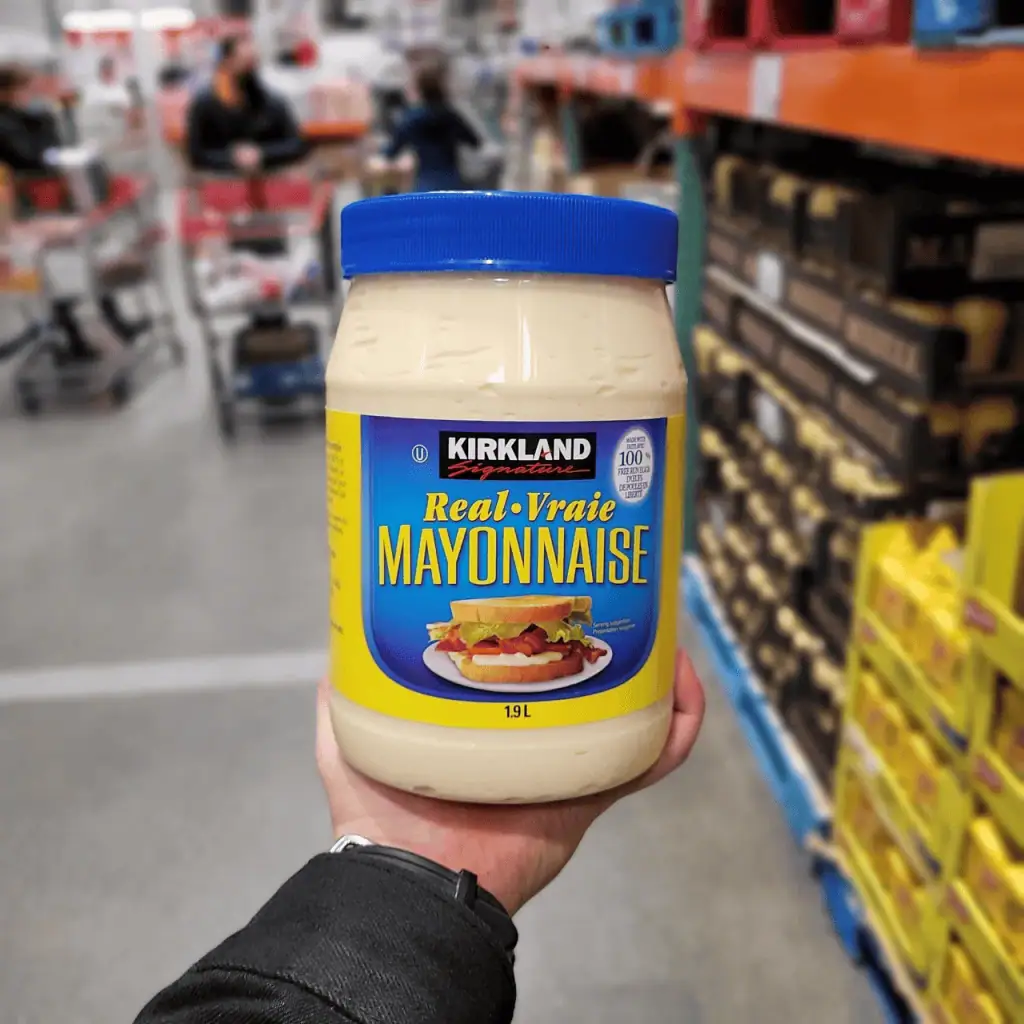
Boomers love warehouse-sized ketchup, relish, and pickles, seeing them as thrifty purchases that last months. Gen Z prioritizes variety over volume, choosing smaller jars so they can rotate flavors more often. They dislike products sitting in the fridge for ages, especially as interest in global condiments gochujang, harissa, chili crisps continues to grow. The big-jar habit feels outdated when storage and freshness matter more.
Eating Dessert Every Night
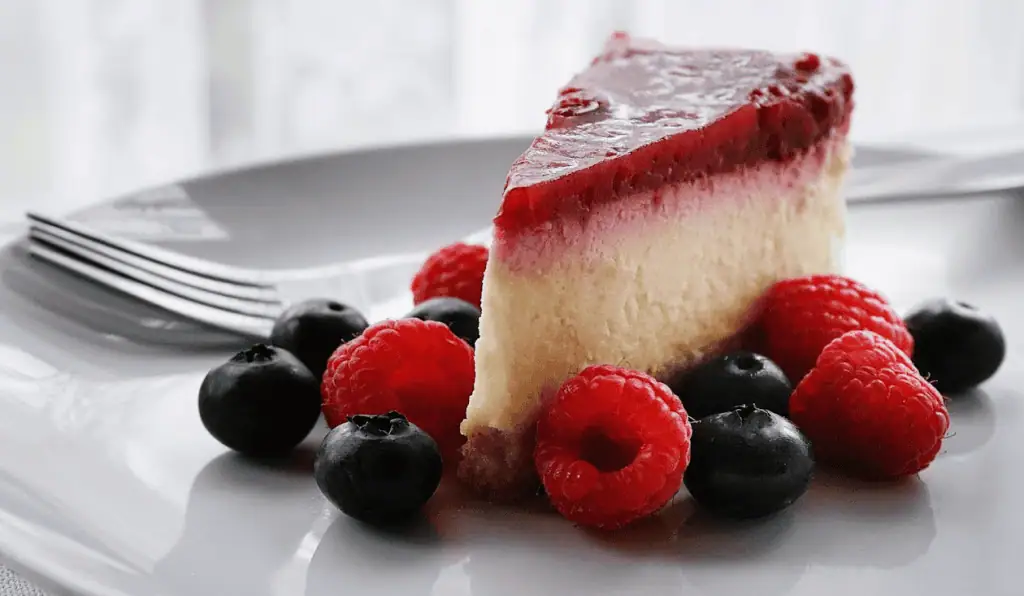
Boomers frequently ended dinner with cake, pudding, or pie as a normal part of the meal. Gen Z tends to reserve sweets for special moments rather than daily routines. They lean toward lighter treats, fresh fruit, or no dessert at all, influenced by wellness trends and a preference for lower sugar. The idea of nightly dessert feels nostalgic but unnecessary to younger eaters who balance indulgence more selectively.


