
10 Beers the Rest of the World Can’t Believe Americans Love

In the diverse landscape of American beers, certain brews have captured the hearts of millions yet leave global audiences perplexed. These beers, often defined by their lightness and approachability, carry a legacy of both tradition and modernity. Their widespread appeal speaks to a cultural love for simplicity and refreshment, blending well with diverse American lifestyles. Whether cherished for their convenience or nostalgic ties, these beers define an integral aspect of American brewing that intrigues the world.
Bud Light: The All-American Favorite

To beer drinkers outside the U.S., Bud Light is baffling precisely because of its dominance. In countries where beer is judged by depth, bitterness, or brewing tradition, Bud Light’s ultra-light body and nearly invisible flavor feel more like carbonated water than beer. The shock isn’t that it exists, it’s that it leads sales charts. Many international drinkers struggle to understand how something so mild became a national favorite, especially in a country with access to world-class craft brewing.
Natural Light: College Staple
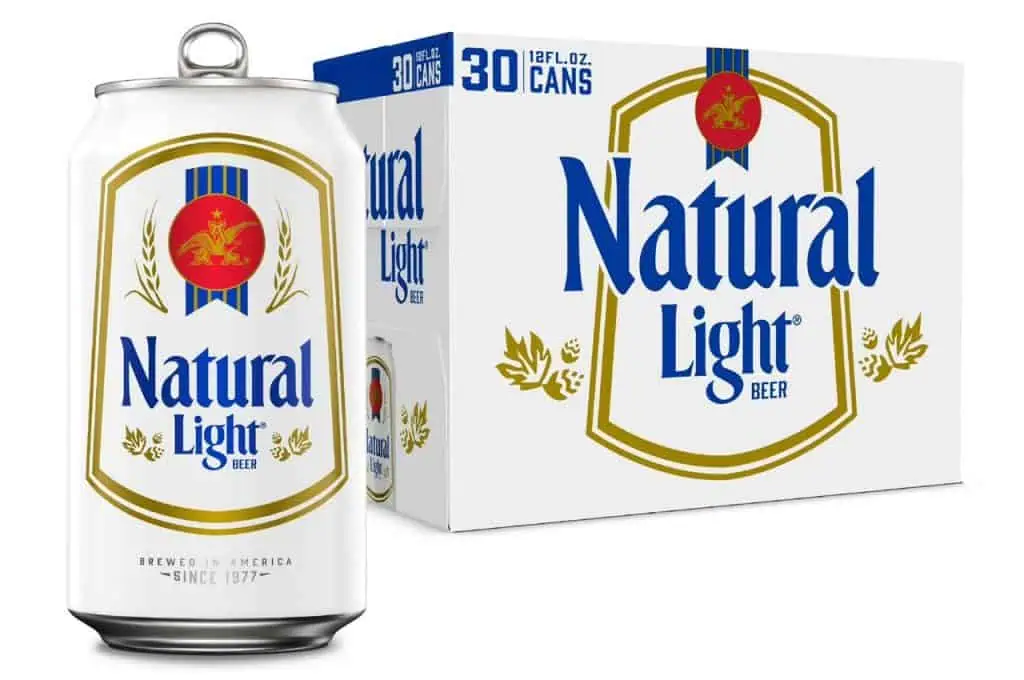
Natural Light confuses global beer fans because it seems to reject the idea that beer should taste like anything at all. Outside the U.S., the idea of drinking beer primarily because it’s cheap, not because it’s enjoyable, feels almost absurd. International drinkers are often stunned that an intentionally thin, low-cost beer became a cultural institution tied to youth and social life. To them, Natural Light looks less like a beverage choice and more like a budget workaround Americans proudly embrace.
Pabst Blue Ribbon: Hipster's Brew

Pabst Blue Ribbon is especially confusing abroad because its popularity isn’t based on flavor or quality, but irony. Outside the U.S., beer loyalty is usually tied to heritage or craftsmanship, not rebellion against trends. Seeing Americans champion a once-dismissed bargain beer as a lifestyle symbol feels contradictory. International observers struggle to grasp why a drink originally associated with low cost and obscurity became cool again, especially in a market overflowing with technically superior options.
Miller Lite: Less Filling, Great Taste

Outside the U.S., Miller Lite’s famous slogan raises eyebrows before the first sip. In many beer cultures, “less filling” sounds like a flaw, not a selling point. International drinkers are puzzled by how Americans embraced a beer designed around calorie reduction rather than flavor intensity. To them, Miller Lite feels engineered for marketing more than enjoyment, making its long-standing popularity confusing in countries where beer is meant to be savored, not optimized for guilt-free consumption.
Coors Light: Rocky Mountain Chill

Coors Light often leaves foreign beer lovers scratching their heads because its identity revolves more around temperature than taste. The emphasis on drinking it ice-cold, complete with color-changing labels—, suggests the flavor needs extreme chilling to be enjoyable. In beer cultures that value aroma and complexity, this approach feels backward. Outsiders are shocked that a beer celebrated for being “cold” became iconic, especially when chilling is traditionally used to mask flaws, not define a product.
Busch Light: Budget-Friendly Choice

Busch Light is one of the most confusing American beer success stories for international audiences. Its popularity is tied almost entirely to price and quantity rather than reputation or quality. Outside the U.S., beer loyalty is often regional or historic, not financial. The idea that a beer could thrive mainly because it’s cheap, and that drinkers openly celebrate that fact—feels foreign. To outsiders, Busch Light represents a uniquely American comfort with prioritizing affordability over flavor prestige.
Michelob Ultra: Low-Calorie Champion

To many international beer drinkers, Michelob Ultra barely registers as beer at all. The shock comes from how openly Americans treat it as a fitness product, not a beverage meant for enjoyment. In countries where beer and health are rarely linked, the idea of choosing a beer for its calorie count feels contradictory. Outsiders are baffled that a drink marketed alongside cycling and gym culture became a bestseller, even though its flavor is intentionally subtle to the point of near invisibility.
Keystone Light: Affordable Ale

Keystone Light confounds non-American drinkers because its appeal is almost entirely economic. In beer cultures where even budget options still carry regional pride or brewing character, Keystone’s stripped-down identity feels puzzling. Outsiders struggle to understand why a beer known mainly for being cheap, light, and sold in bulk earns loyalty. The fascination isn’t that it exists, it’s that Americans openly champion it, treating affordability itself as a feature worth celebrating.
Budweiser: King of Beers

Outside the U.S., Budweiser’s self-appointed royal title often triggers disbelief. In countries with centuries-old brewing traditions, the idea that a mass-produced lager could be called the “King of Beers” feels almost humorous. International drinkers are confused by how branding, patriotism, and sports marketing elevated a relatively mild beer to iconic status. The shock isn’t the taste, it’s how national identity helped turn an ordinary lager into a global symbol of American beer culture.
Yuengling Lager: Historic Bestseller

Yuengling Lager puzzles outsiders because its popularity hinges more on history and regional loyalty than standout flavor. Outside the U.S., longevity alone rarely guarantees devotion. International drinkers are surprised that America’s oldest brewery commands such fierce allegiance despite producing a straightforward lager. To them, Yuengling’s success feels less about innovation or craftsmanship and more about nostalgia, tradition, and pride, qualities Americans value deeply, even when the beer itself remains intentionally uncomplicated.


