
The Food Dyes RFK Just Got Walmart and Nestlé to Remove: Are They Still in Your Pantry?

The landscape of the American pantry is undergoing a seismic shift in 2026, driven by a new wave of federal health initiatives. Health and Human Services Secretary Robert F. Kennedy Jr. has successfully pressured major corporations to voluntarily phase out petroleum-based artificial colors. This “clean label” revolution is not just a trend; it is a fundamental restructuring of how processed foods are manufactured in the United States.
While many of these dyes have been staples for decades, the push for “European-style” ingredient standards has finally hit the mainstream. For many consumers, the question is no longer if these changes are coming, but rather how many of these soon-to-be-removed ingredients are currently sitting in their own kitchens.
The Walmart Private Brand Overhaul
Walmart, the nation’s largest retailer, has announced one of the most significant brand reformulations in history. By January 2027, the company will eliminate synthetic dyes and 30 other controversial ingredients from its private labels, including Great Value, Marketside, and Freshness Guaranteed. This move affects roughly 1,000 products, ranging from vibrant sports drinks to bakery goods and cereals.
Walmart officials stated that 90% of their private-label food is already dye-free, but the final 10% represents a massive volume of consumer goods. This transition reflects a growing demand for “simpler, more familiar ingredients” that families can trust. It is a powerful signal that the “Great Value” of the future is defined by quality as much as price.
Nestlé’s Mid-2026 Deadline

Nestlé USA has accelerated its own timeline, pledging to fully eliminate FD&C colors across its entire U.S. food and beverage portfolio by mid-2026. This includes household staples like Nesquik, Hot Pockets, and Stouffer’s, which have long relied on synthetic hues for visual appeal.
The company has been working behind the scenes for a decade to find natural alternatives that don't compromise the taste or stability of their iconic recipes. Nestlé’s commitment is particularly significant given its massive global footprint and influence on international food standards. By the end of this year, many of their most famous “bright” products will look slightly different as they transition to plant-based pigments.
The “Dirty Eight” Dyes Targeted

The focus of the MAHA initiative is the “Dirty Eight” petroleum-based dyes that are widely used to make ultra-processed foods more attractive. These include Red 40, Yellow 5, Yellow 6, Blue 1, Blue 2, Green 3, Citrus Red 2, and Orange B. Critics have long linked these synthetic additives to neurobehavioral issues like ADHD in children, as well as potential links to cancer and metabolic disruption.
While the FDA has historically maintained their safety, the 2026 policy shift favors a “precautionary principle” similar to that of the European Union. Manufacturers are now racing to replace these chemicals with extracts from beets, purple sweet potatoes, and even crushed insects (carmine).
Red 3: The First to Fall

While the MAHA push relies heavily on voluntary action, Red No. 3 was officially banned from the U.S. food supply earlier in 2025. This dye, famously found in Maraschino cherries and some strawberry-flavored snacks, was removed from cosmetics 35 years ago but remained in food until recently.
The ban was a critical catalyst for the current broader industry shift, proving that federal regulators were willing to take hard lines on potential carcinogens. Companies like Kraft Heinz and General Mills have followed suit, setting their own aggressive deadlines for removal. If you have older snacks in your pantry containing Red 3, they are now officially part of a “phased-out” era of food history.
Is Your Pantry Still “Neon”?
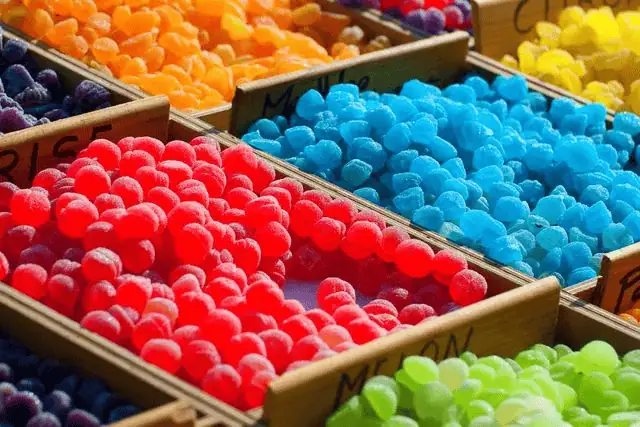
Despite the corporate pledges, many reformulated products are only just hitting the shelves in March 2026. This means that a significant portion of the food currently in American homes still contains the synthetic dyes targeted by RFK Jr. Consumers are encouraged to check labels for “FD&C” prefixes, which indicate the presence of petroleum-derived colors.
Items with exceptionally long shelf lives, like boxed cake mixes, frostings, and certain candies, are the most likely to still house these ingredients. As the “Renaissance of Health” continues, the iconic neon hues of 20th-century snacks are slowly becoming a relic of the past. The goal is a food system where a product's color comes from its ingredients, not a laboratory.


