
9 Menu Items That Often Tell You a Restaurant Is Playing It Safe

When you open a menu and see the same predictable dishes you could find at a thousand other locations, it is often a sign that the kitchen is prioritizing broad appeal over culinary identity. In 2026, diners are increasingly seeking “functional eating” and global fusion, yet many restaurants cling to “safe” anchors to protect their profit margins. While these items are often consistent, they rarely showcase a chef's true skill or the local, seasonal ingredients that define the current food scene. Avoiding these nine common cliches can help you discover a restaurant's hidden gems and more creative offerings that truly represent the kitchen's potential.
The Obligatory Smashed Burger
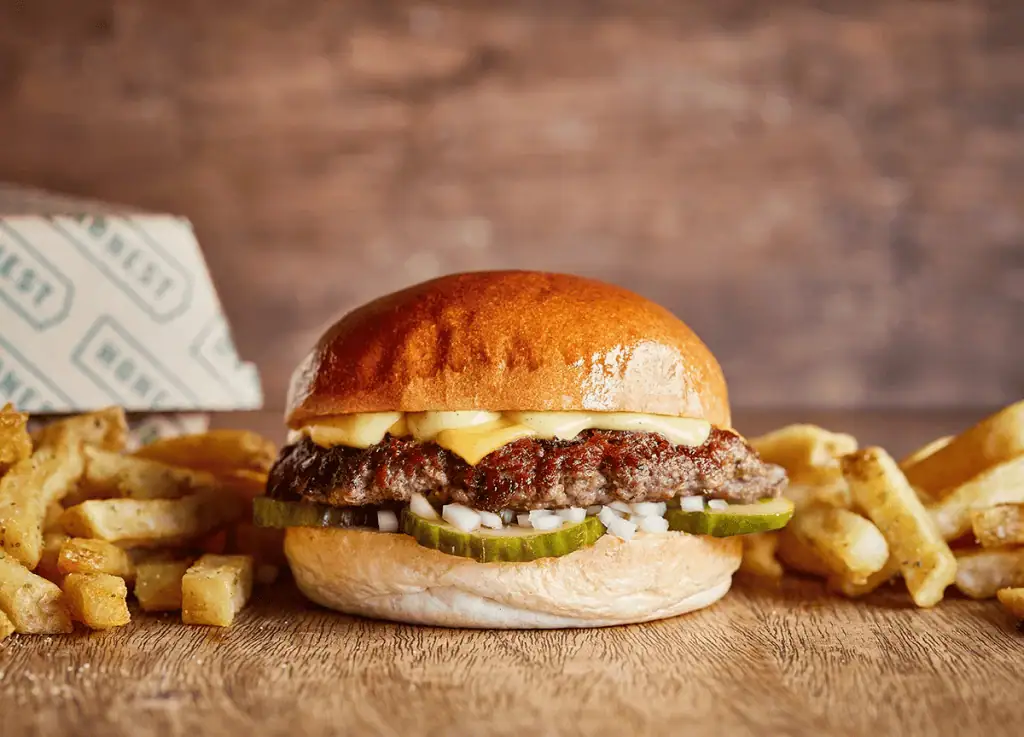
While the “Smashed Burger” was once a viral sensation, it has now become the default “safe” choice for almost every casual dining establishment in 2026. Seeing a standard smashed burger on a non-specialty menu often suggests the kitchen is simply checking a box for younger diners who crave familiarity.
While brands like Pat LaFrieda provide high-quality meat, many restaurants rely on pre-made patties that lack a unique flavor profile or signature house-made touch. To stand out, modern kitchens are now experimenting with “burger tacos” or globally-inspired toppings like miso-glaze and kimchi. If the menu only offers a basic cheeseburger, it is a clear signal that the venue is playing it safe with its protein options.
The Overpriced Avocado Toast
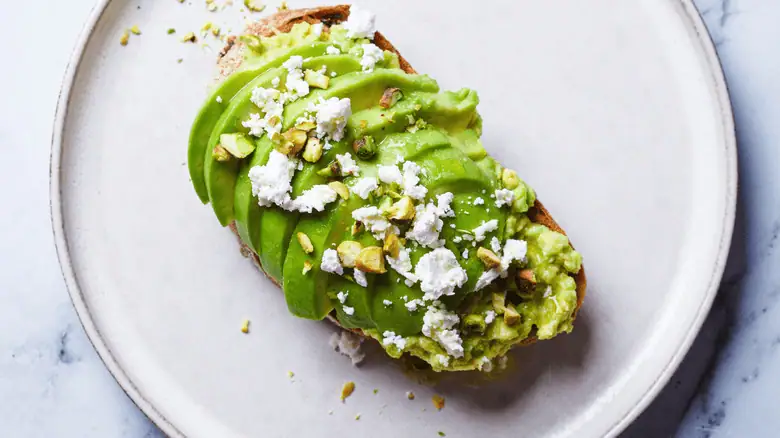
Once a revolutionary brunch item, Avocado Toast has become a predictable and often overpriced staple that signifies a lack of morning creativity. Many restaurants still charge upwards of $18 for a simple slice of sourdough topped with mashed Hass Avocado and a sprinkle of McCormick Red Pepper Flakes. In 2026, health-conscious diners are looking for more functional breakfast options like “Smoothie Bowls” or high-protein savory hashes.
When a restaurant leads its brunch menu with a basic avocado toast, it often means they are relying on Instagram-friendly visuals rather than culinary innovation. It is a dish that is almost always more cost-effective and tastier to prepare in your own kitchen using fresh, local produce.
The Generic House Salad

The “House Salad” is frequently used as a way for kitchens to repurpose older produce and limp greens under a heavy layer of dressing. Top chefs warn that these salads often feature uninspired ingredients like out-of-season tomatoes and generic shredded carrots from a bag. In 2026, the trend has shifted toward “Forgotten Vegetables” like parsnips, sunchokes, and kale pickles that offer much deeper flavor profiles.
A restaurant that still relies on a basic iceberg or romaine mix with a generic balsamic vinaigrette is likely not prioritizing ingredient sourcing. Look for menus that highlight specific local farms or seasonal “functional” ingredients to ensure you are getting a fresh, intentional dish that supports your health.
The Standard Shrimp Cocktail

A Shrimp Cocktail is a retro appetizer that requires almost no culinary skill, typically consisting of boiled shrimp and a cup of Heinz Cocktail Sauce. Despite its simplicity, many restaurants mark up this dish significantly, often charging a premium for what is essentially a chilled snack. In 2026, sophisticated diners are looking for more complex seafood options like “Fish Collars” or “Seaweed-infused” appetizers that showcase maritime depth.
If a restaurant’s only seafood starter is a cold shrimp bowl, it suggests they are avoiding the risks associated with more adventurous, fresh catches. It is a “safe” play that rarely delivers a memorable or unique flavor experience for the modern, globalized guest.
The Truffle Oil Fries

The trend of drizzling generic Truffle Oil over frozen fries has become a lazy way for restaurants to justify a higher price point. Real truffles are a seasonal delicacy, but the synthetic oils used in most kitchens lack the complexity and aroma of the real thing.
In 2026, chefs are moving toward more authentic flavor enhancers like “miso-caramel” or “gochujang-infused” butters for their side dishes. When you see truffle oil on a menu, it often indicates a reliance on chemical flavorings rather than genuine culinary technique. These fries are a “safe” way to add a luxury label to a low-cost item without doing the hard work of creating a truly original recipe.
The Basic Grilled Salmon

Grilled salmon with a side of steamed broccoli is the quintessential “healthy” safe bet that appears on nearly every mid-tier American menu. While nutritious, this dish rarely offers any insight into the chef's creativity or the restaurant's unique culinary point of view.
In 2026, fish enthusiasts are gravitating toward “Terroir-Driven” storytelling, favoring wild-caught varieties served with fermented sides or indigenous grains. A restaurant that offers only a plain grilled salmon fillet is often catering to the most conservative palates in the room. This item is the ultimate fallback for diners who want to avoid making a difficult choice, making it a staple of uninspired kitchen lineups.
The Hummus and Pita Plate

Serving a small bowl of hummus with store-bought pita bread has become the default vegan “safe” option for restaurants that haven't embraced plant-forward cooking. While hummus is a delicious staple of Middle Eastern cuisine, its ubiquitous presence as a generic appetizer often signals a lack of effort. In 2026, the “Small Plate Renaissance” has introduced more exciting vegan options like “Charred Cauliflower Steaks” or “Lentil Bibimbap.”
When a kitchen sticks to basic hummus, they are missing the opportunity to explore the rich, diverse flavors of modern plant-based dining. It is a low-risk dish that rarely impresses anyone looking for a truly transformative or culturally authentic meal.
The Generic Pasta Primavera

Pasta Primavera is often a “kitchen sink” dish where chefs throw together whatever leftover vegetables are nearing their expiration date. This dish frequently lacks a cohesive flavor profile, relying on a simple garlic and oil base that doesn't challenge or delight the palate. In 2026, pasta trends have moved toward “fiber-fortified” noodles and “swavory” sauces that incorporate ingredients like black currant or miso.
Seeing a traditional primavera on a menu suggests the restaurant is not keeping up with modern Italian-American evolution. It is a safe, high-margin filler that satisfies hunger but rarely leaves a lasting impression on a diner who values culinary artistry.
The Molten Lava Cake

For dessert, the Molten Lava Cake is the ultimate signal that a restaurant’s pastry program is running on autopilot. While once a novelty, these pre-made cakes are now a ubiquitous freezer-to-oven staple found in corporate chains and casual eateries alike. In 2026, dessert trends are shifting toward “exotic comfort” like Japanese Cloud Cakes or Basque Cheesecakes that offer unique textures.
A restaurant that still lists a basic chocolate lava cake is likely not investing in a dedicated pastry chef or unique dessert innovation. It is a “safe” finish to a meal that prioritizes sugar and convenience over the thoughtful, artisanal techniques that modern diners now expect.


