
6 Foods That Beat Eggs for Protein but Never Get the Credit They Deserve

Protein is essential for muscle repair, energy, and overall health, yet many default to eggs as their primary source. However, several other foods surpass eggs in protein content and often go unnoticed. Incorporating these ingredients can not only diversify your diet but also enhance nutritional intake without sacrificing taste or convenience.
Cottage Cheese: The Creamy Powerhouse

Cottage cheese offers a high protein content with a smooth texture that blends seamlessly into both savory and sweet dishes. It contains about 11 grams of protein per 100 grams, making it an excellent choice for breakfast bowls or a creamy pasta base. Opt for varieties with live cultures for additional probiotic benefits. To elevate flavor, mix with chives or a touch of honey, balancing its natural tanginess with complementary notes.
Lentils: Tiny Protein Giants
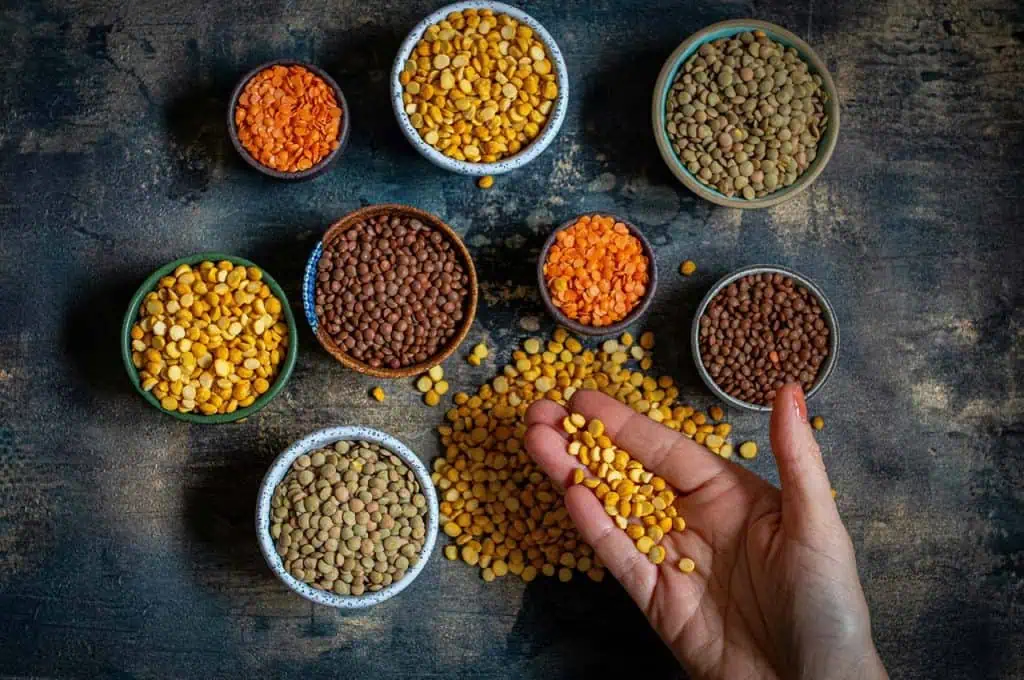
Lentils are a versatile staple in plant-based diets, boasting about 9 grams of protein per half-cup cooked serving. They absorb spices beautifully, making them perfect for curries, soups, or salads. For even cooking, rinse and sort lentils before simmering in water or broth until tender. Their slightly earthy taste provides a rich base that pairs well with vegetables like spinach or squash, enhancing both nutrient content and flavor.
Almonds: A Nutty Source of Protein

Almonds pack approximately 21 grams of protein per 100 grams, offering a hearty crunch in snacks and meals. They are perfect as a yogurt topping or blended into smoothies for a creamy texture. Toast them lightly to bring out natural oils and enhance their nutty aroma. For a savory twist, toss with a blend of chili powder and sea salt, creating a flavorful addition to salads or quinoa bowls.
Canned Tuna: Convenience Meets Protein

Canned tuna is a convenient way to boost protein intake, with around 20 grams per 85 grams serving. It requires minimal preparation, freeing you to explore diverse flavor profiles. Choose tuna packed in water for a lighter option, or oil for enriched taste. Mix it with a squeeze of lemon, a sprinkle of dill, or capers for a quick salad or sandwich filling. Its firm texture and subtle flavor adapt easily to various culinary styles.
Hemp Seeds: A Superfood Secret

Hemp seeds offer a remarkable protein source, boasting over 10 grams of protein per 3-tablespoon serving. Their nutty flavor and crunchy texture integrate seamlessly into both savory and sweet dishes. For maximum benefit, consider adding them to smoothies, yogurts, or salads. You'll find they blend well without overshadowing other flavors. When incorporating into baked goods, sprinkle them on top before baking or mix into the dough for added nutrition and texture. Store hemp seeds in a cool, dark place to preserve their nutrients and keep them fresh.
Tempeh: Fermented and Fabulous

Tempeh is a fermented soy product that offers an impressive 19 grams of protein per 3-ounce serving. Its firm texture and earthy flavor make it a versatile ingredient in many dishes. Slice it thinly for stir-fries or marinate it for grilling to enhance its savory profiles. The fermentation process not only enriches its flavor but also boosts its digestibility, making it a gut-friendly choice. To reduce bitterness, steam tempeh briefly before using it in recipes. A well-crafted marinade can elevate tempeh’s robust taste, making it a delightful protein source.


