
The 2026 Pantry Shifts That Could Totally Change Your Grocery List

The way we shop for groceries is changing fast in 2026. Inflation has made every shopper a budget manager. We no longer just look for the lowest price tag. Instead, we are looking for “functional value” in every item. This means every calorie must work harder for your body.
Shoppers are ditching “empty” snacks for nutrient-dense staples. Items like high-fiber pasta and protein-rich grains are now essentials. We want foods that keep us full for much longer. Decision fatigue is leading many back to reliable, basic ingredients. The 2026 pantry is lean, efficient, and highly purposeful. It is a shift from “hoarding” to “smart stocking.”
Store Brands Take the Lead
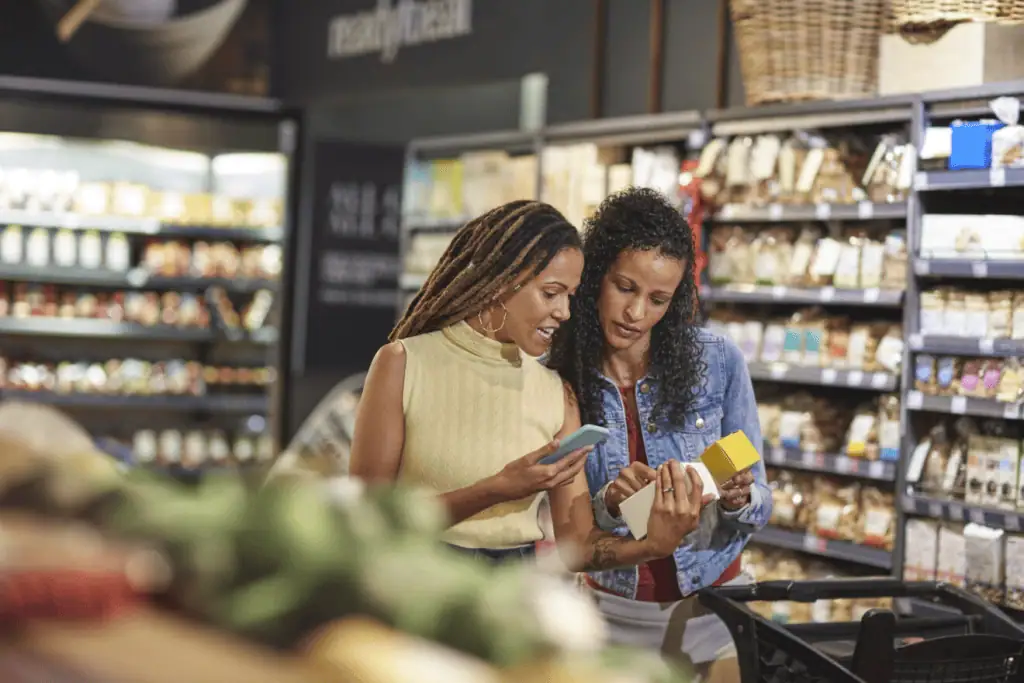
Brand loyalty is fading as store brands step up their game. In 2026, private labels are seen as “premium” options. Gen Z shoppers, in particular, prefer these “dupes” over big names. They deliver the same high quality for a much better price. Many store brands now lead the way in organic innovation.
Buying the store version is no longer a compromise. It is now considered the “smart” way to fill a cart. Retailers are focusing on clean labels with very few additives. This transparency builds a new kind of trust with the buyer. Your grocery list will likely feature more “house” brands this year. They offer the best balance of cost and nutrition today.
The GLP-1 and Longevity Effect
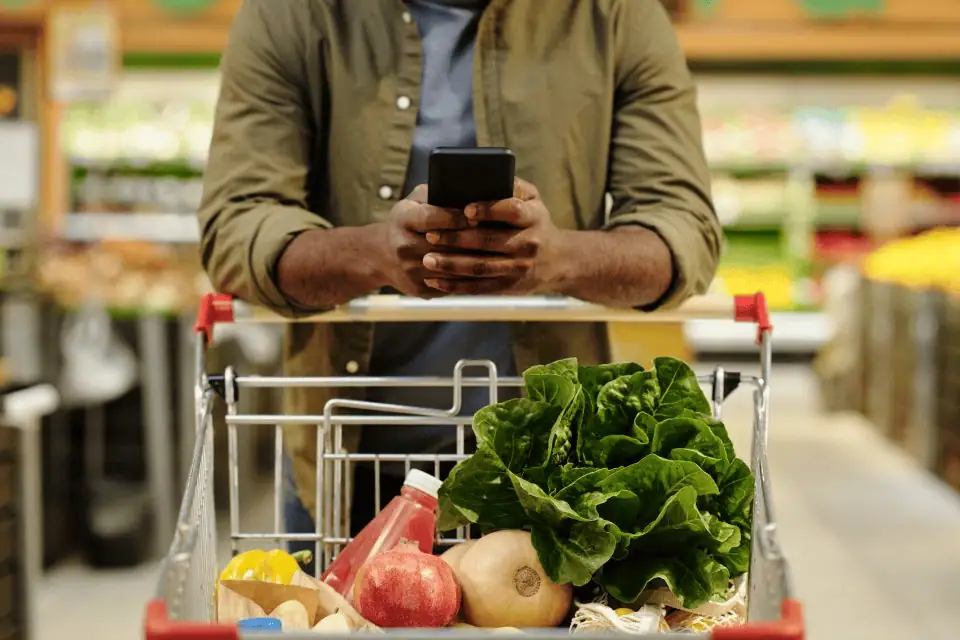
Health trends are moving toward “longevity” and “performance” goals. The rise of GLP-1 medications is also shrinking our portion sizes. People are buying less volume but demanding much more nutrition. We are scanning labels for protein, fiber, and gut health. Sugar-free claims are less important than “nutrient-dense” ones.
Pantry staples like legumes and fermented sauces are booming now. Functional drinks with adaptogens are replacing standard sodas. We want our food to help us manage stress and energy. This “functional payoff” is the new gold standard for 2026. Every item in the pantry must justify its shelf space. We are eating for the long term, not just the moment.
A Return to “Standalone” Plant Foods
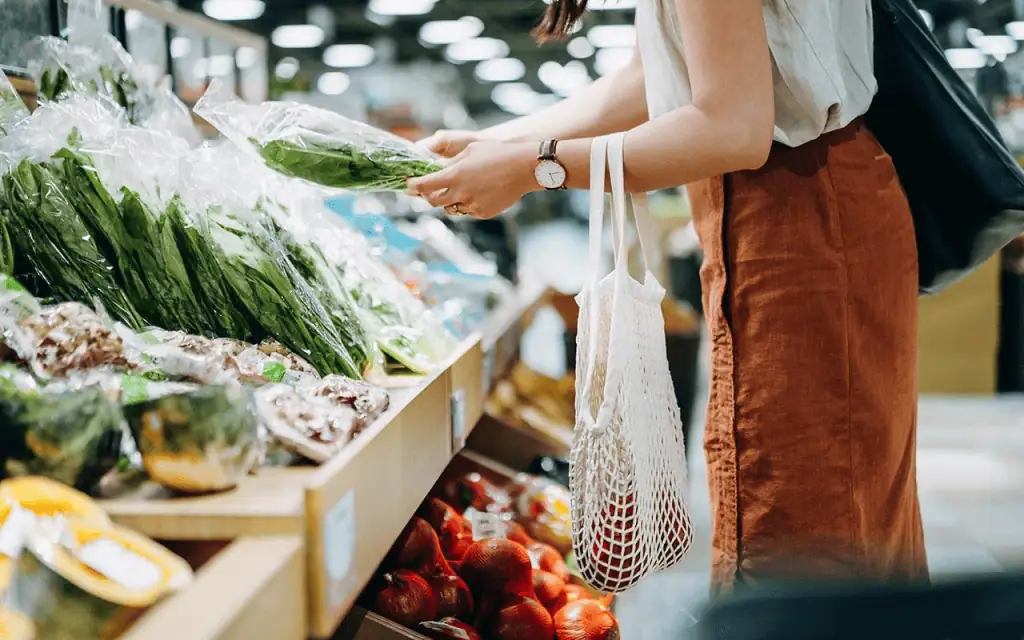
Plant-based eating has officially entered a brand new era. We are moving away from “fake meats” and processed substitutes. Instead, we are embracing plants as standalone stars of the meal. Think roasted chickpeas, lentil pastas, and mushroom-based dishes. These offer natural protein without the long, chemical ingredient lists.
Consumers now prioritize “naturalness” over just being vegan or vegetarian. We want whole foods that haven't been over-processed in a lab. This shift makes the produce and bulk aisles more important. It is about “flexibility” rather than rigid, restrictive diet labels. Grilling and roasting techniques are being used to elevate simple veggies. Your pantry will soon reflect this “plant-forward” simplicity.
Refillable Culture and Zero-Waste Goals
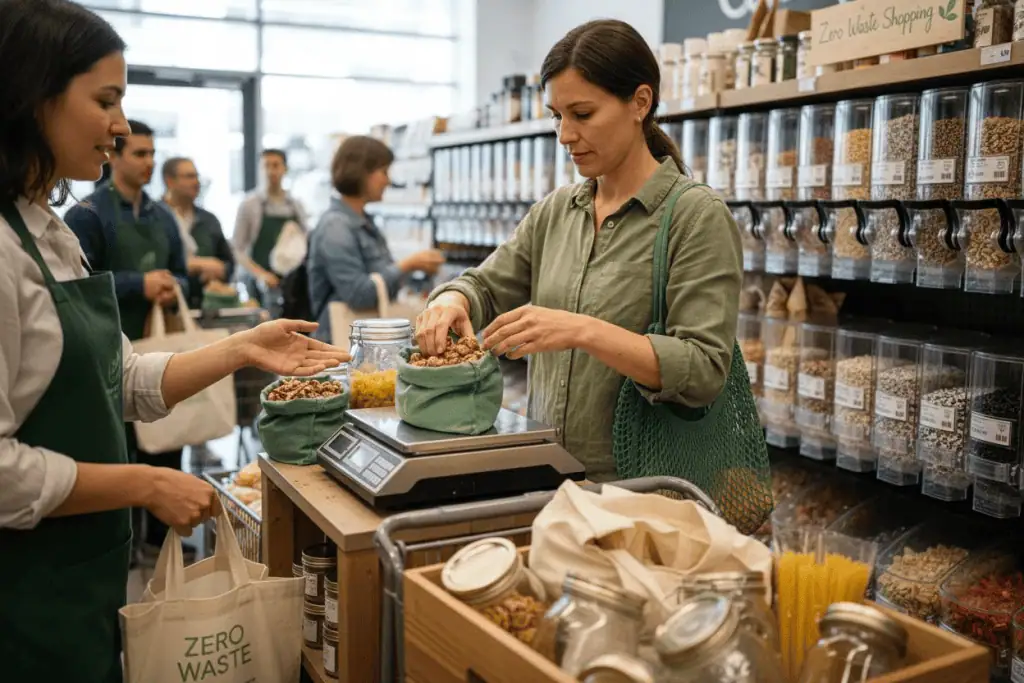
Sustainability is moving from a “nice to have” to a pantry requirement. In 2026, many shoppers are ditching single-use plastic for good. Refillable glass jars for grains and spices are becoming the norm. Many stores now offer bulk “tap” systems for oils and detergents. This shift helps reduce the massive amount of packaging waste we create.
Consumers are also looking for “circular” packaging that can be returned. Brands are using materials like seaweed and mushrooms for wrappers. These next-gen materials break down naturally in your home compost bin. It makes the “trash” part of grocery shopping feel much better. You are paying for the high-quality food, not the plastic box. This trend is driven by a deep respect for the planet's future.


