
The Hidden Grocery Store Layout Trick that Makes You Spend More Without Realizing It

Grocery store layouts are meticulously planned to guide your shopping experience in subtle yet persuasive ways. Every shelf, aisle, and display is strategically designed to influence how you move, what you see, and ultimately, what you buy. Understanding these tactics can empower you to shop with intention, ensuring that each purchase aligns with your true needs rather than whims influenced by clever marketing.
Journey to Essentials: A Devious Path
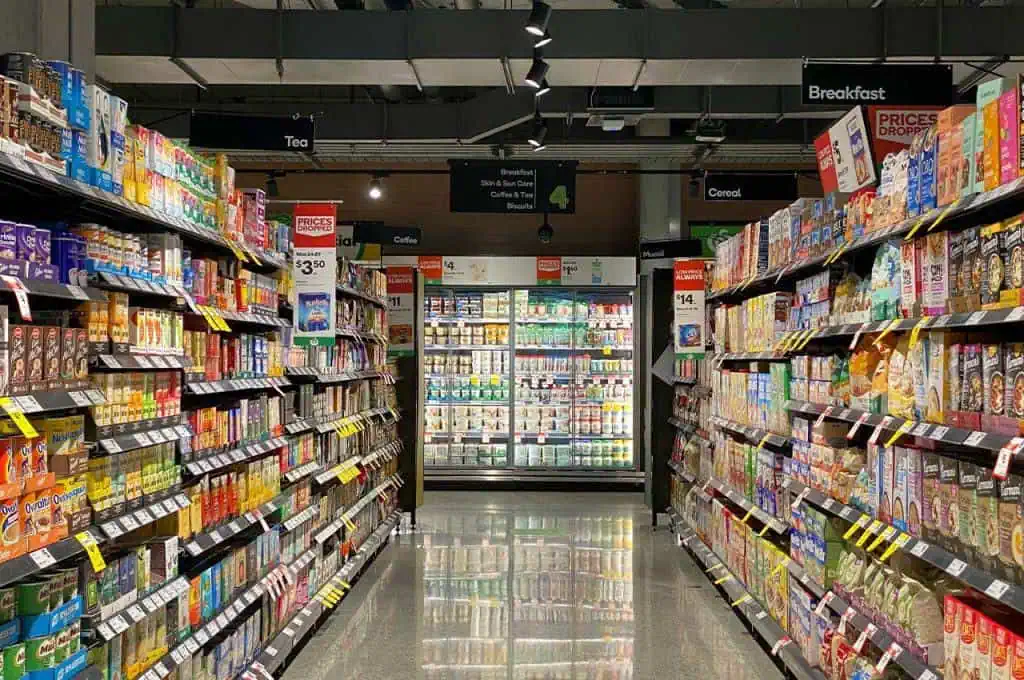
Essentials like milk and bread are often placed at the back of the store, requiring you to navigate through enticing aisles. This layout encourages impulse purchases as you pass by tempting displays of snacks and ready-made meals.
Such placement ensures increased exposure to a myriad of products, subtly expanding your shopping list beyond initial intentions. Being aware of this can help maintain focus on your list, minimizing unexpected additions to your cart.
Eye-Level Marketing: Products That Catch You

Products placed at eye level gain maximum visibility and are typically premium or higher-margin items. This strategic positioning increases the chance of these items being noticed and selected, often bypassing pricier or less-lucrative options relegated to top or bottom shelves.
By scanning entire shelves rather than sticking to eye level, you can discover a balanced mix of quality and price, ensuring smart, budget-friendly choices.
End Caps and Impulse Buys: Science of Corners
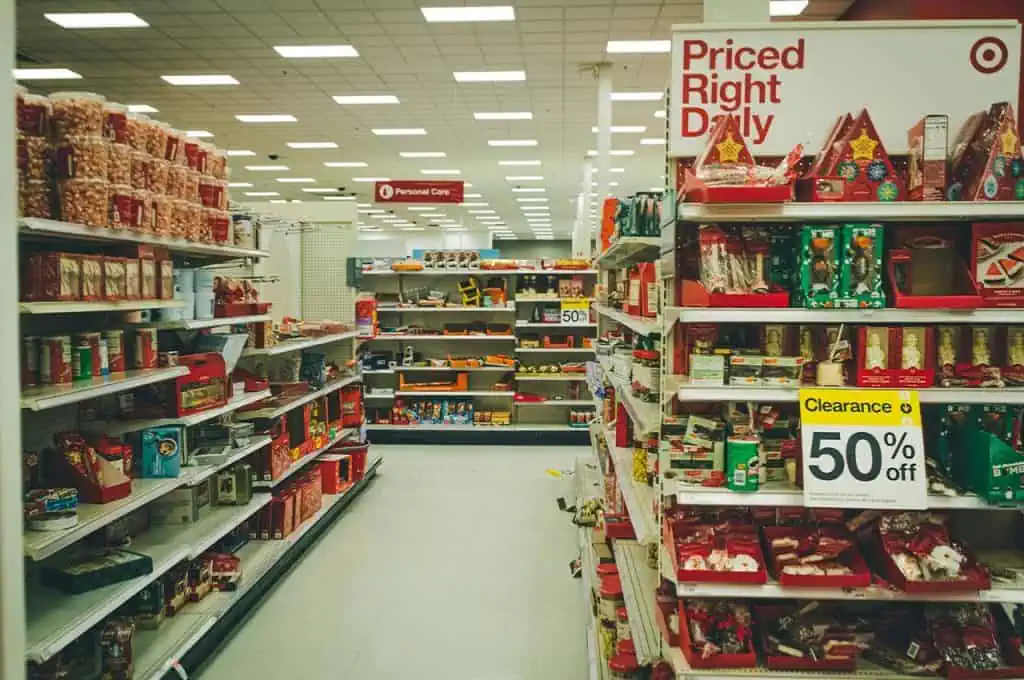
End caps, those prominent displays at the end of aisles, are prime real estate for promotions and impulse buys. Their high visibility is designed to capture attention with eye-catching deals or seasonal items, encouraging unplanned purchases.
Consider these displays with a critical eye, often assessing the price per unit or checking if featured deals align with your genuine needs, to avoid falling into the impulse-purchase trap.
Music, Lighting, Scents: Subtle Shopping Influencers
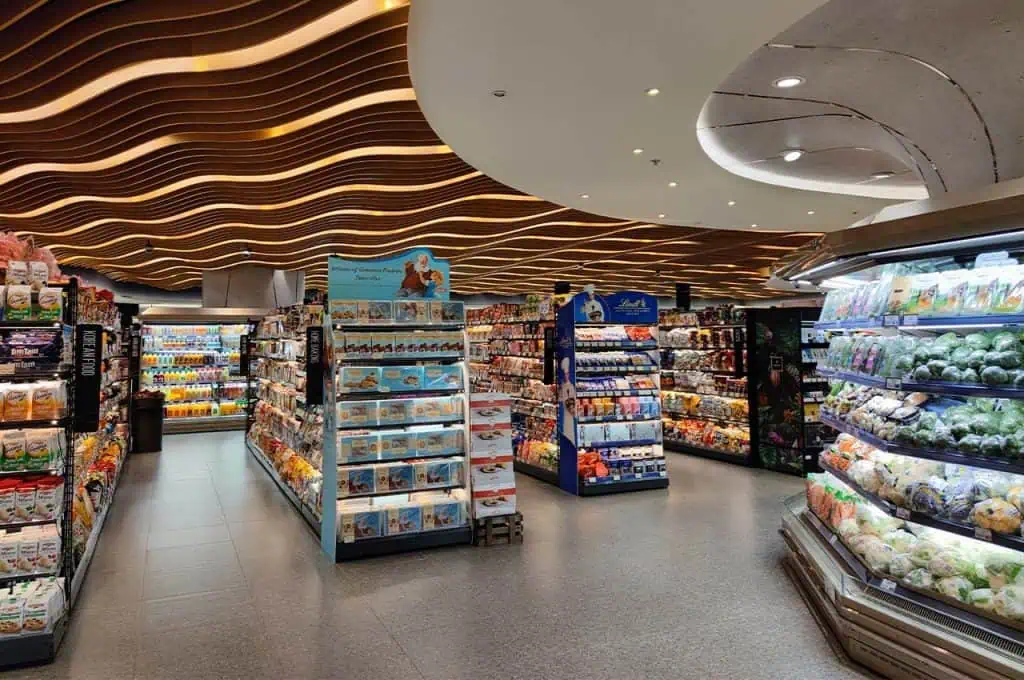
Stores use music, lighting, and scents to create an ambiance that encourages leisurely browsing. Calming music can slow you down, increasing the time spent in-store, while strategic lighting highlights products attractively.
Pleasant scents, like fresh bread, can trigger hunger and increase impulse buys. Recognizing these subtle cues allows you to stay focused on your shopping list, ensuring each purchase aligns with planned needs rather than momentary desires.
Profit Zones: Retailers' Secret Spending Hacks
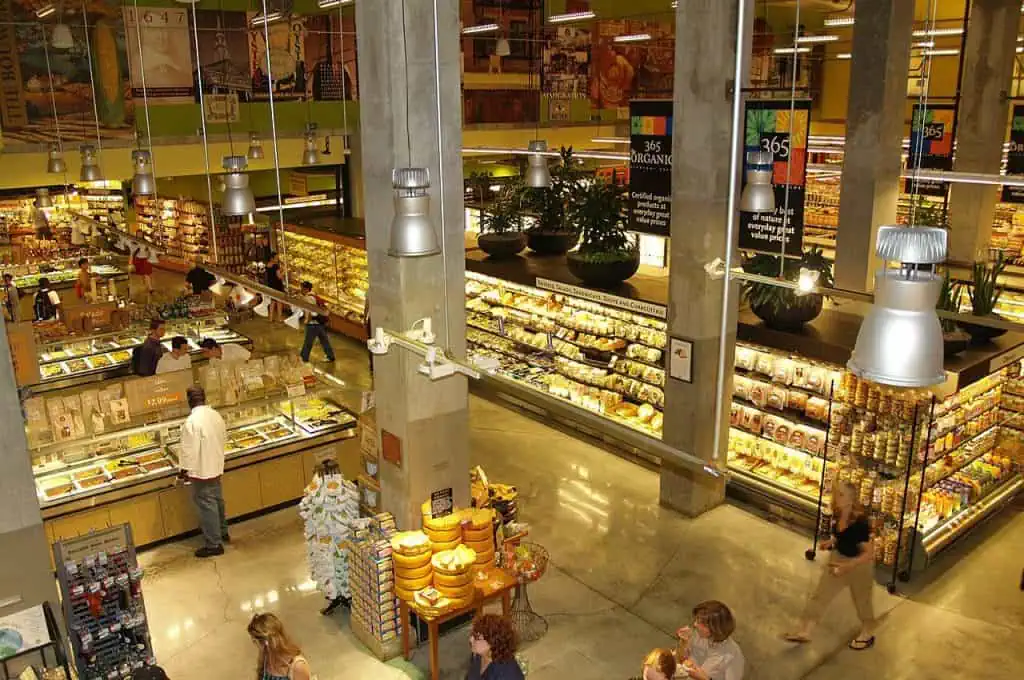
Retailers design grocery store layouts strategically to guide customers through high-profit areas, often referred to as profit zones. These zones are typically placed at key points in the store to maximize impulse buys.
Staple items like milk and bread are positioned far from the entrance to encourage a longer journey through the aisles, increasing exposure to products you might buy on a whim. Eye-level shelves are prime real estate, often filled with higher-margin items. Recognizing these tactics can help shoppers navigate aisles with purpose, allowing for more efficient and budget-conscious shopping trips.


