
9 Vintage Kitchen Tricks Grandma did in the 70s best but would Raise Eyebrows Today

In the 1970s, kitchens were filled with techniques that, while routine then, might seem unusual today. These methods often prioritized resourcefulness, reflecting both the creativity and limitations of the era. Let’s explore nine vintage kitchen tricks, the staple wisdoms of the time, and why they'd likely raise eyebrows now.
Bacon Grease in Coffee Cans

In many kitchens, bacon grease was a treasured ingredient, stored carefully in empty coffee cans. This practice not only maximized flavor but provided an easy way to add richness to dishes like soups and sautéed vegetables. To replicate the depth it imparts, strain the grease while it's warm to remove solids. When using as a cooking fat, remember its low smoke point and complement with oils having a higher tolerance to heat.
Margarine Over Butter Craze

Throughout the 70s, margarine was often chosen over butter, primarily for its perceived health benefits and lower cost. However, modern palates often favor butter for its rich, authentic flavor. If opting to use margarine, be mindful of its water content, which can affect baking results. Blending butter with margarine offers a compromise, maintaining flavor while achieving a softer spread.
Aluminum Foil Reuse Ritual

Reusing aluminum foil was standard practice, embracing a spirit of thrift. Clean the foil carefully to maintain its integrity, and consider using it for non-food tasks like sharpening scissors by folding and cutting through it several times. While the practice promotes sustainability, ensure food safety by avoiding reused foil for acidic or strongly flavored foods, which could lead to off-tastes or degradation.
Leftovers in Cottage Cheese Tubs

Storing leftovers in repurposed containers like cottage cheese tubs was commonplace, a testament to the clever use of available materials. Today's focus on food safety advises caution with such practices, encouraging proper labeling to avoid any mix-ups. Utilize these containers for dry goods or non-perishable items, ensuring a clutter-free refrigerator while preserving food integrity.
Gelatin Glamour in Savory Dishes

Gelatin, cherished for its versatility, was often utilized in savory dishes during the 70s. To craft these retro delights, dissolve unflavored gelatin in a warm broth before adding ingredients like diced vegetables and proteins. Pour the mixture into a mold and refrigerate until set. The balance of flavors and unique texture brought an elegant touch to gatherings. Use a small knife to gently loosen the edges before unmolding. Today, it’s a bold choice, but undeniably nostalgic.
Butter Left Out on the Counter
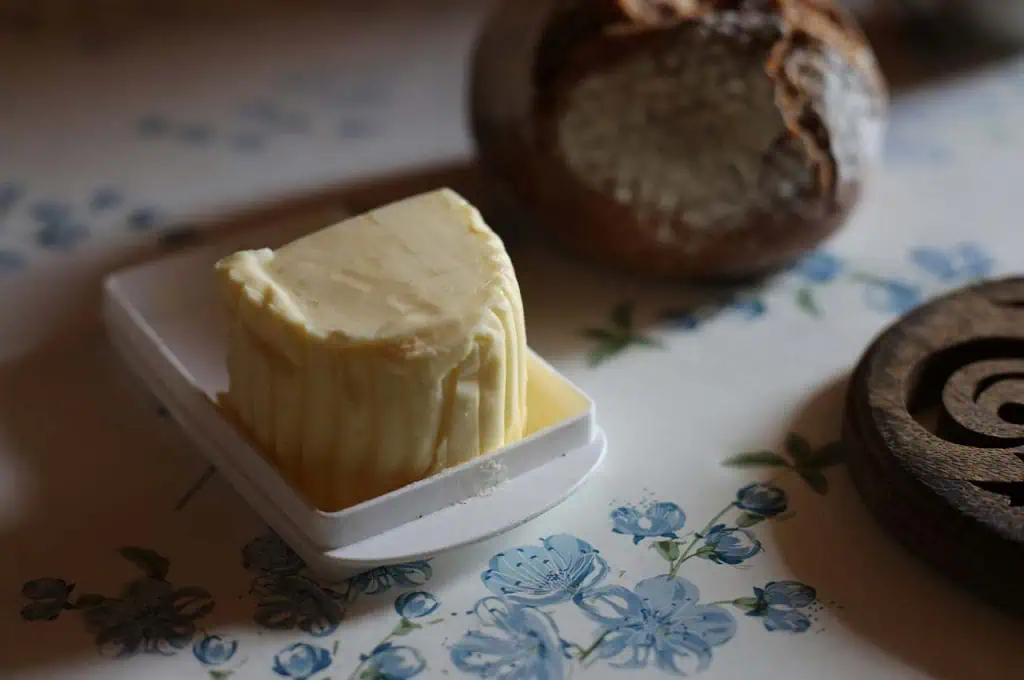
Keeping butter at room temperature was a common practice, allowing for immediate spreadability. Ensure the butter dish is covered to protect it from air and contaminants, maintaining freshness. This method enhances flavors in dishes, especially in baking or bread slathering, where soft texture is key. While modern refrigeration habits may frown upon this for long-term keeping, the instant creaminess it provides remains unparalleled. For safety, consume within a week.
Wonder Bread as a Thickener

Wonder Bread was often repurposed to thicken soups and stews. Tear bread slices into small pieces, add them directly to your pot, and stir well to let it dissolve and integrate seamlessly. This method results in a smooth, comforting texture, enriching the dish without overwhelming flavors. Ensure the bread is fresh for best results, and use it as a complementary thickener when you aim for a hearty, homestyle consistency.
Canned Soup as Creamed Meal Base
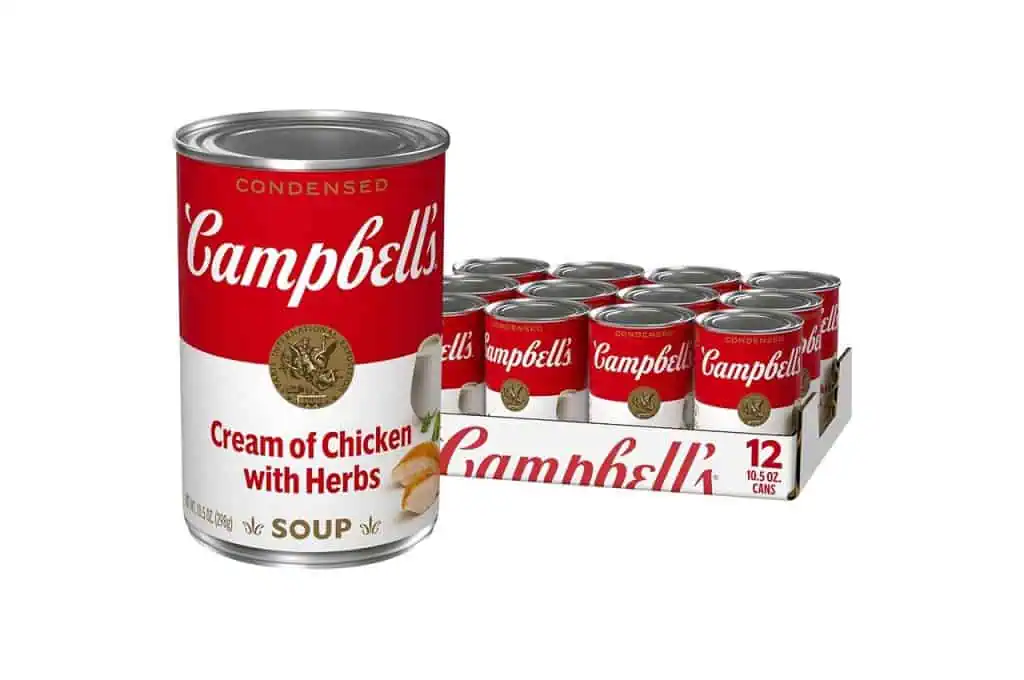
Canned soups were staples, appreciated for their convenience in acting as bases for various dishes like casseroles. To use, simply open a can and pour into your pan or casserole dish. Add your favorite proteins and vegetables, then bake until warmed through. This technique offers depth without much effort, creating creamy, satisfying meals quickly. Though its use might seem old-fashioned, the efficiency and flavor it delivers are undeniably appealing for quick meal solutions.
Cooling Food on the Counter
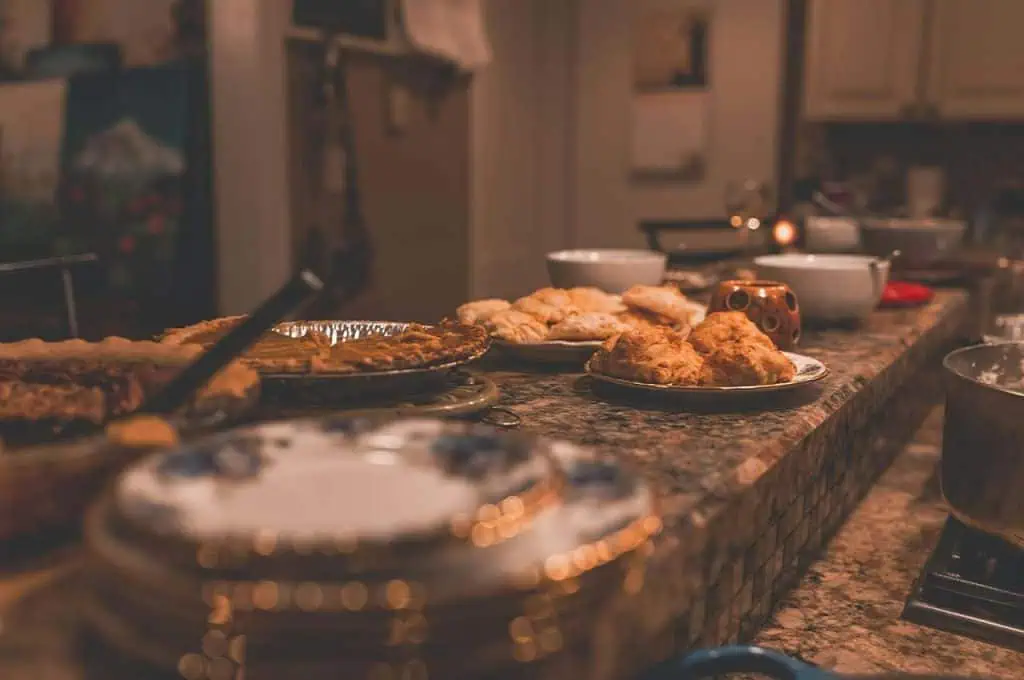
Cooling food on the counter was standard practice, leveraging air circulation to bring down temperatures. Spread food in shallow bowls or trays to speed up this process, preventing bacterial growth. Stir occasionally to control even cooling while keeping the taste and texture intact. Though modern advice often recommends rapid cooling in the fridge, the practicality of this method, when done correctly, still holds its merit, particularly for large batches.


