
Switch These Now: 5 Common Kitchen Items That Could Be Making You Sick

Your kitchen may look clean, but many common tools quietly collect harmful bacteria and mold. These items often harbor invisible residue that builds up over several weeks of daily use. Some materials have designs that make deep cleaning nearly impossible to achieve at home. Identifying and replacing these high-risk tools can significantly improve your overall food safety. A small update to your routine can lower the risk of foodborne illness. Keeping a fresh set of tools ensures your home cooking remains truly healthy.
Worn-Out Sponges
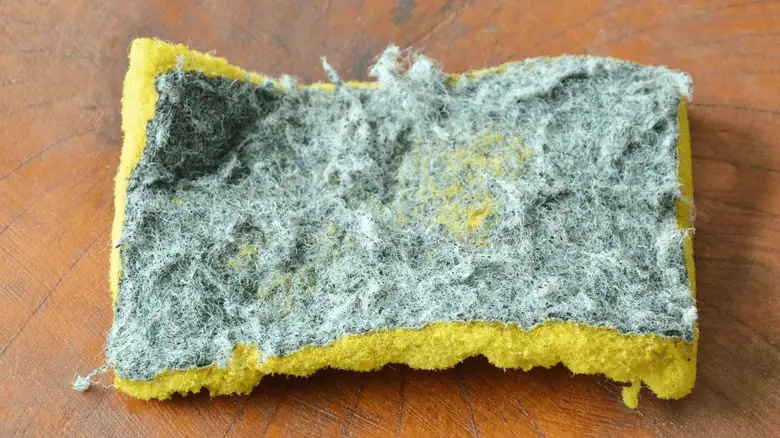
Kitchen sponges are often the most bacteria-heavy items in an entire modern household. Their porous structure traps moisture and tiny food particles, creating a perfect breeding ground. Even heating them in the microwave may fail to kill every hidden microbe. You should replace your sponges weekly or switch to durable, dishwasher-safe brushes. If a sponge smells even slightly musty, it is already long overdue for the trash. Fresh cleaning tools are the first line of defense against spreading germs.
Scratched Plastic Cutting Boards
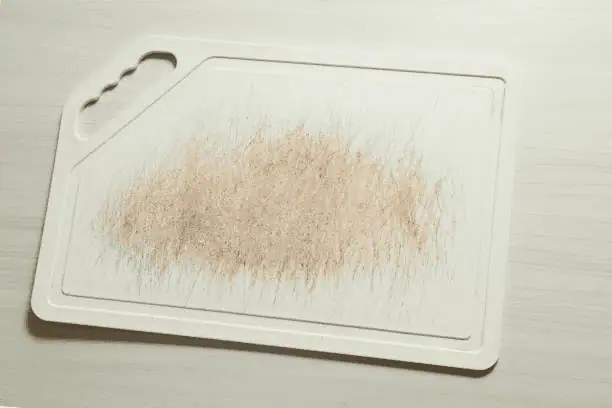
Plastic cutting boards are very convenient, but deep knife grooves can hide dangerous raw meat juices. These micro-cuts are extremely difficult to sanitize fully, even with a high-heat dishwasher cycle. If you see visible scoring or dark discoloration, your board has reached its limit. Deep scratches act as a safe harbor for bacteria to grow and spread. Using separate boards for proteins and produce can further reduce your cross-contamination risks. Replacing old plastic boards keeps your food preparation surfaces safe and smooth.
Old Nonstick Pans With Peeling Coating

Nonstick pans that show peeling or flaking coatings should be retired immediately. While modern coatings are safe under normal conditions, damaged surfaces can degrade further when exposed to high heat. Worn pans often cook unevenly, which increases the risk of consuming undercooked food. Replacing scratched nonstick cookware improves both your safety and overall kitchen performance. It is a simple step to ensure your meals remain healthy and consistent.
Reusable Water Bottles

Reusable bottles are convenient, but narrow openings and lids can trap hidden moisture and residue. If they are not washed thoroughly, they can develop mold or bacterial buildup around seals and caps. Bottles used daily should be cleaned with hot, soapy water and allowed to dry completely. Cloudiness or a persistent odor is a sign that deeper cleaning or replacement is necessary. Keeping these containers fresh protects you from drinking contaminated water throughout the day.
Expired or Forgotten Spices
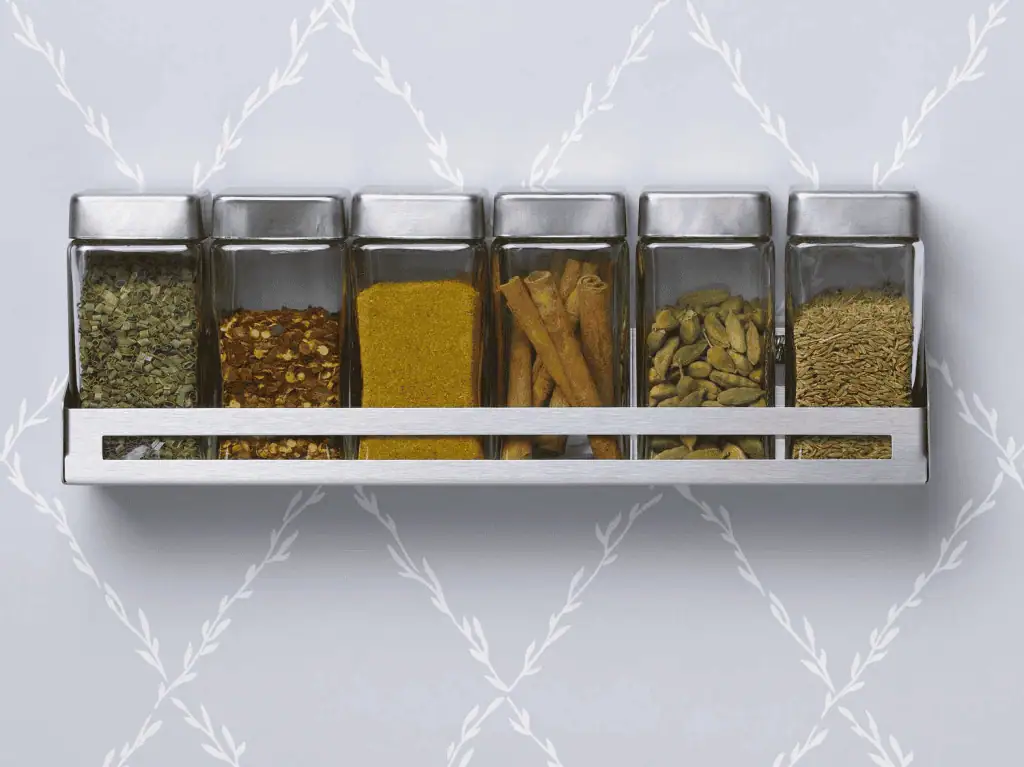
Spices usually do not make you sick from age alone, but improper storage can introduce moisture. Sprinkling spices directly over steaming pots causes condensation, which encourages clumping or microbial growth. If spices show an unusual texture or signs of moisture damage, replacing them is a wise move. Store your seasonings in cool, dry areas to maintain their quality and safety over time. Fresh spices also ensure your summer recipes have the best possible flavor.


