
The Dark History of Food: Inside Napolean’s 7 Strange Eating Habits

Napoleon Bonaparte’s culinary habits offer a fascinating glimpse into his complex persona. Known for his military genius, his approach to food was equally strategic but quirky. These habits, though unusual, reveal insights about the man who shaped history and illuminate the significance of food even in the life of a conqueror.
Meals Devoured at Lightning Speed
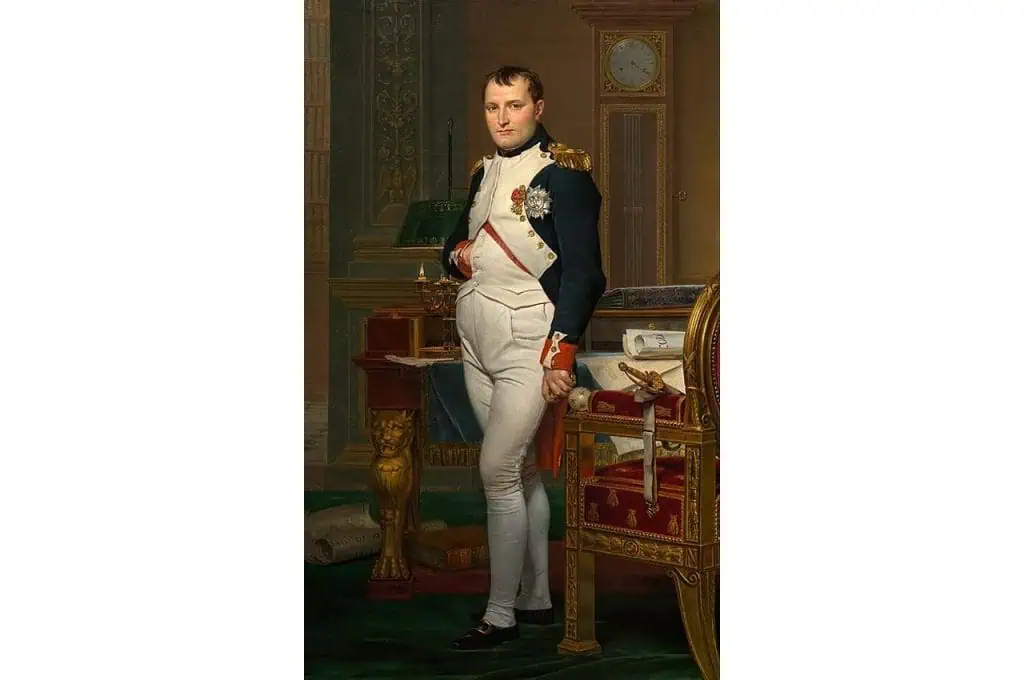
Napoleon was notorious for eating his meals with remarkable speed. He often consumed his food hastily to maximize time for his military strategies. To adopt this practice without sacrificing enjoyment, focus on simple dishes that require minimal preparation, such as perfectly seared steaks or fresh sautéed vegetables. Incorporate balanced flavors with fresh herbs and simple seasoning to maintain quality in quick meals.
A Preference for Soldier's Fare
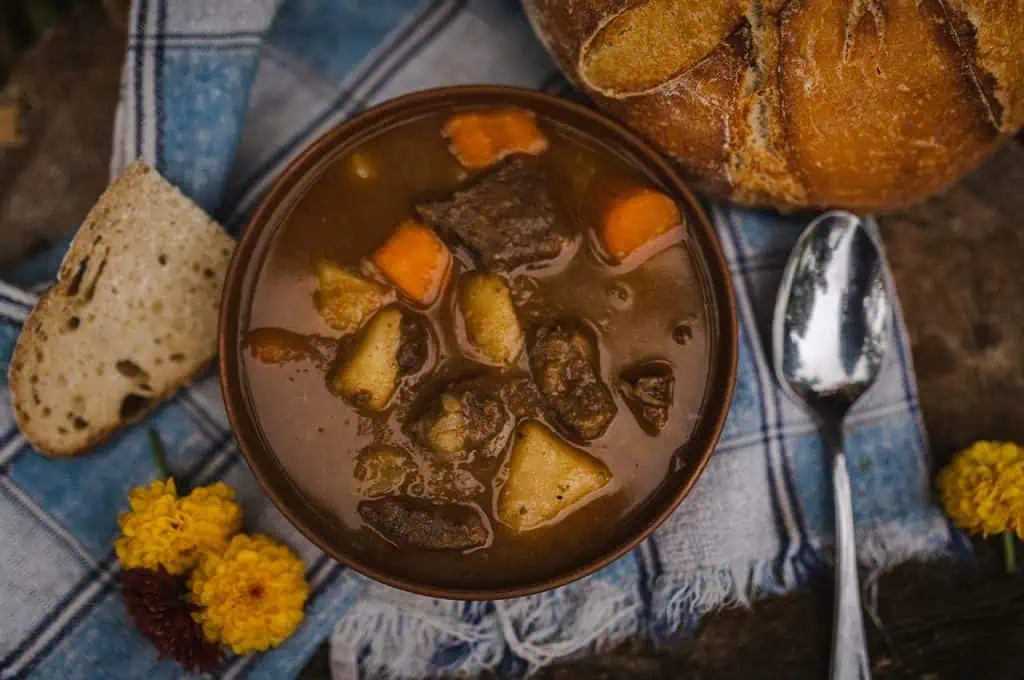
Napoleon had a particular fondness for the meals served to his troops. Rooted in practicality, these dishes featured hearty, simple ingredients. Recreate these with robust stews and soups rich in vegetables, lean meats, and grains like barley. Use a slow cooking method to deepen the flavor and achieve a satisfying texture, evoking the nourishment that sustained his enduring energy.
The Irregular Meals That Worried All
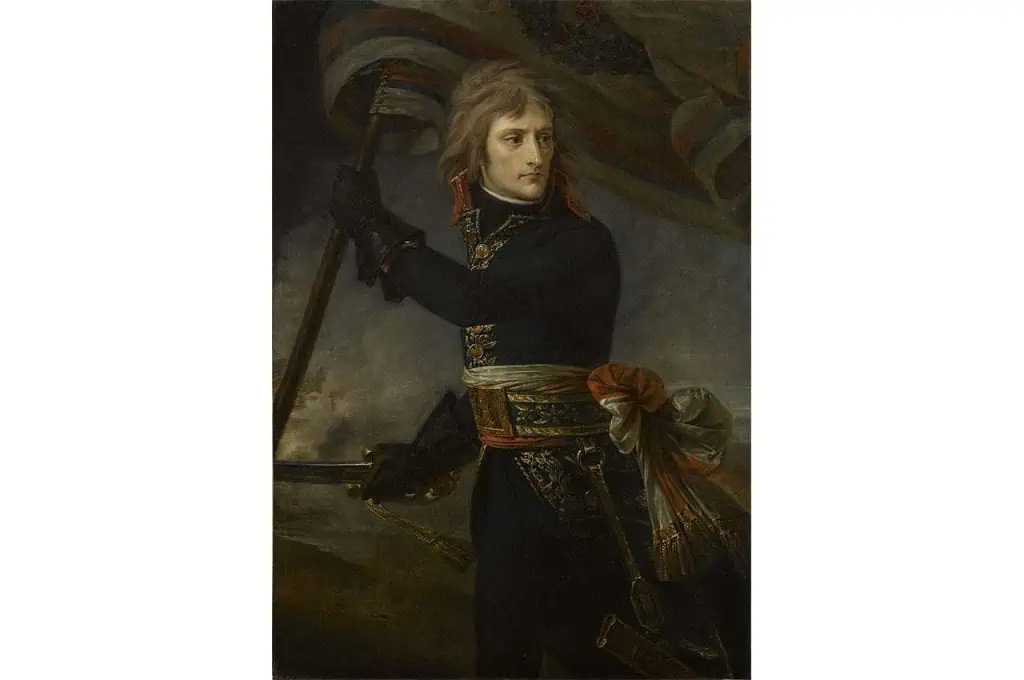
His unpredictable eating schedule, influenced by the demands of leadership, often left close associates concerned. To maintain nutrition on a variable timetable, prepare versatile dishes that hold well at room temperature, such as quiches or pasta salads. These can be eaten at various times without losing taste or texture, ensuring both convenience and a steady supply of nutrients.
Obsessed with Roast Chicken

Napoleon's fixation with roast chicken reflected his preference for simplicity paired with bold taste. Achieving the perfect roast involves evenly seasoning the bird and roasting at high temperatures for crispy skin and tender meat. Use a meat thermometer to ensure an internal temperature of 165°F, and let it rest for juices to redistribute, ensuring each bite is flavorful and juicy.
War-Induced Hunger Struggles
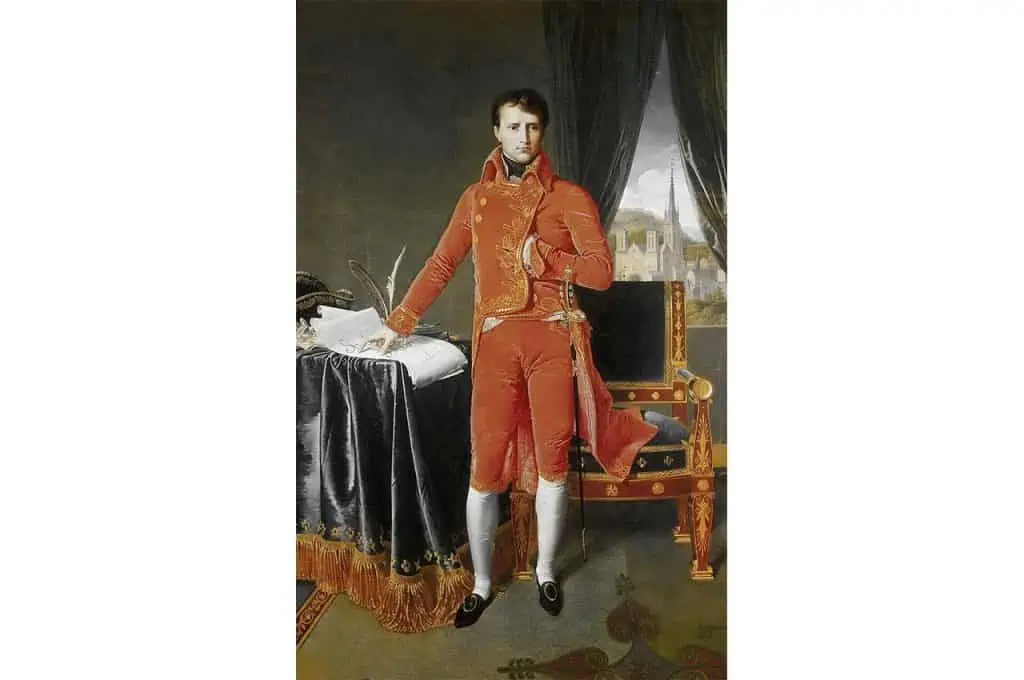
During his military campaigns, Napoleon frequently faced the daunting task of feeding his troops in dire conditions. The scarcity of supplies often led to creative solutions, emphasizing simplicity and resourcefulness in meals. Soldiers relied heavily on accessible staples like bread and potatoes, augmented by whatever fresh produce could be foraged. This necessity sharpened Napoleon's keen understanding of sustenance, forcing adaptability in the face of limited resources. His pragmatism during these periods emphasizes enduring culinary principles: make do with what you have and cherish basic nourishment.
Surprisingly Diluted Wine Habits
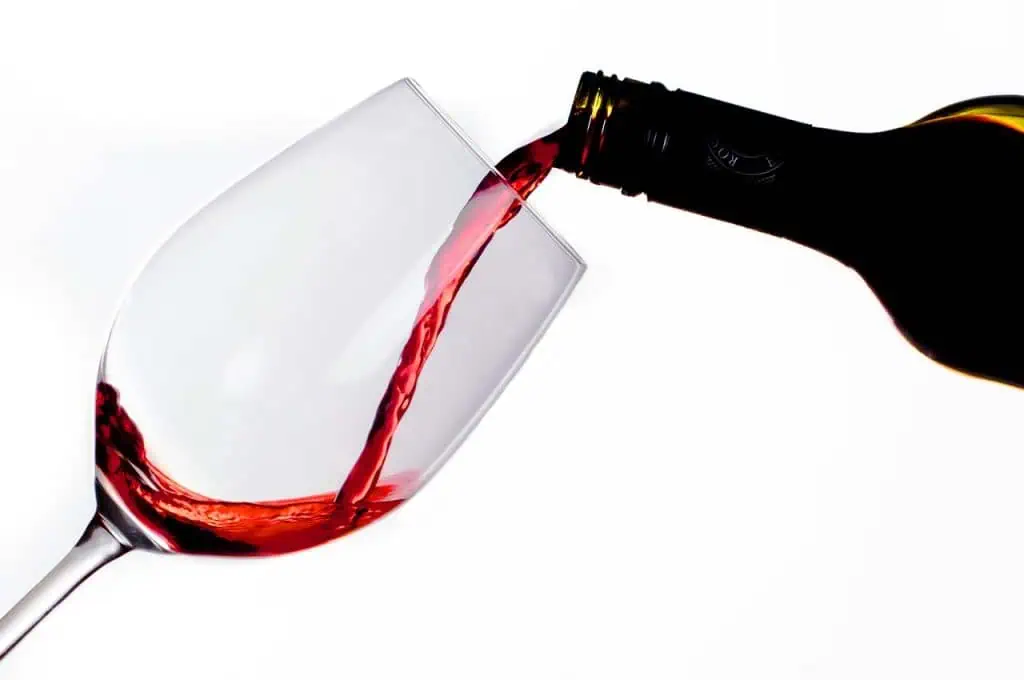
Napoleon had a peculiar approach to consuming wine, preferring it diluted with water, a practice that baffled many. This habit was likely influenced by concerns over preserving mental clarity and avoiding intoxication. The technique of dilution serves two purposes: it stretches limited wine supplies and helps mitigate the effects of alcohol, a clever strategy during times when stability was paramount. For home cooks, this can inspire a re-examination of how subtle changes in beverage preparation can adjust flavor and experience, prompting thoughtful pairing with meals.
Stomach Woes and Dietary Adjustments

Persistent health issues, particularly stomach ailments, forced Napoleon to modify his diet substantially. He leaned towards gentle, easily digestible foods such as rice, chicken, and lightly seasoned broths. These choices highlight the importance of understanding personal dietary needs and adapting recipes to align with health constraints. For home cooks, this underscores the value of listening to the body and adjusting preparation methods accordingly, ensuring each meal supports overall well-being while staying enjoyable. Balance in seasoning and mindful ingredient selection become key.


