
6 Restaurant Trends Chefs and Servers Secretly Wish Would Disappear

Restaurant culture evolves quickly, shaped by social media, personalization trends, and shifting diner expectations. While many changes enhance transparency and creativity, others add unexpected strain behind the scenes. Chefs and servers rarely criticize guests directly, but certain dining habits complicate workflow, timing, and morale during busy service hours. From hyper-customization to trend-driven ordering behaviors, some practices create more friction than diners realize. These six restaurant trends are frequently mentioned by industry workers as ones they quietly wish would fade away.
Extreme Customization
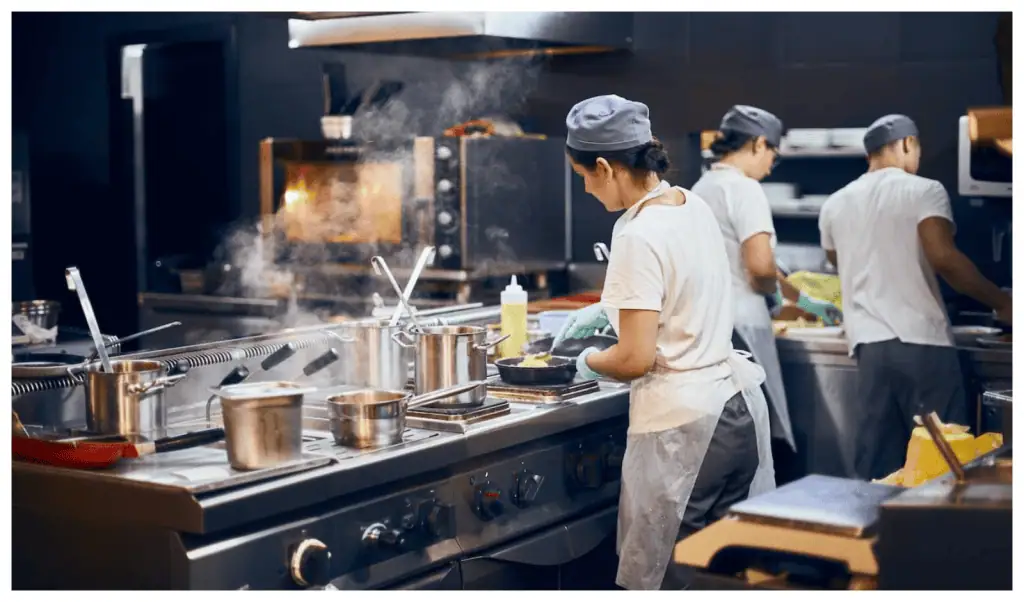
Personalization is part of modern dining, but excessive customization can disrupt even well-organized kitchens. When guests request multiple substitutions, removals, or changes to cooking methods, dishes often require separate preparation steps that slow service for everyone. Chefs design menus with balance and efficiency in mind, and heavily altered orders complicate that structure. Servers must also relay detailed modifications accurately, increasing the chance of miscommunication. Small changes are manageable, but extreme alterations can strain timing and consistency.
Social Media Photo Sessions
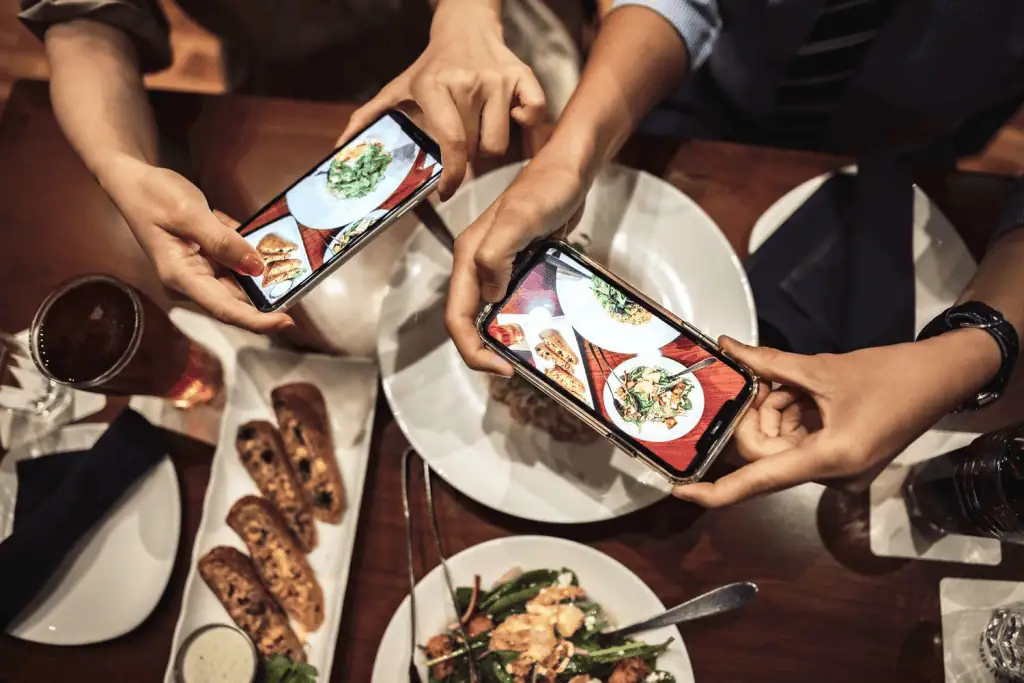
Taking a quick photo of a meal is common, but extended table-side photo shoots can interrupt service flow. When plates sit untouched under bright phone lights or are rearranged repeatedly for content, food temperature and texture decline. Hot dishes cool, sauces thicken, and presentation shifts. Meanwhile, servers may hesitate to clear space or deliver additional items while filming continues. Sharing meals online is part of modern culture, but prolonged staging can slow operations in already busy dining rooms.
Ordering Off-Menu Hacks

Viral “secret menu” hacks often circulate online, encouraging guests to request custom combinations not listed officially. While creativity is welcome, these off-menu orders can require unfamiliar prep steps or ingredient adjustments that disrupt workflow. Staff must pause to clarify instructions, confirm availability, or improvise within systems not designed for those requests. During peak hours, these deviations extend wait times and complicate coordination between kitchen and front-of-house teams.
Late Allergy Disclosures
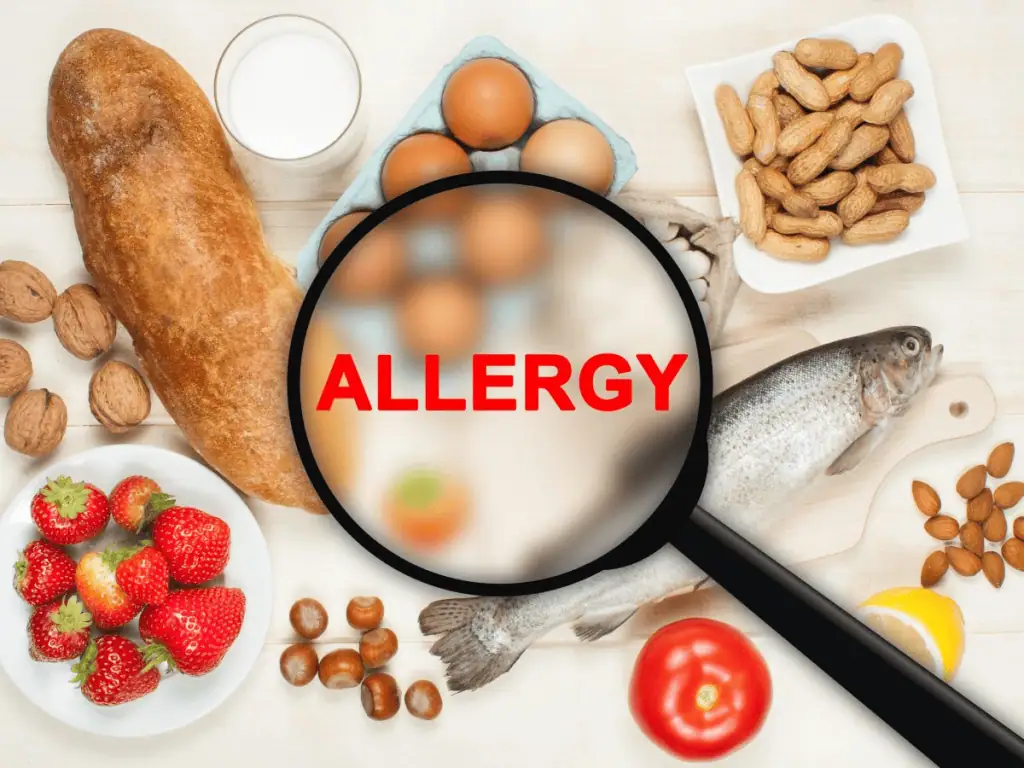
Communicating allergies is essential for safety, but announcing them after a dish has been prepared creates logistical challenges. Kitchens may need to discard completed plates and restart preparation, increasing food waste and delaying service. When restrictions are shared upfront, staff can accommodate thoughtfully and efficiently. Late disclosures, however, heighten stress during busy periods and affect timing for other tables. Clear communication early in the ordering process helps everyone manage expectations.
Table Camping During Rush Hours
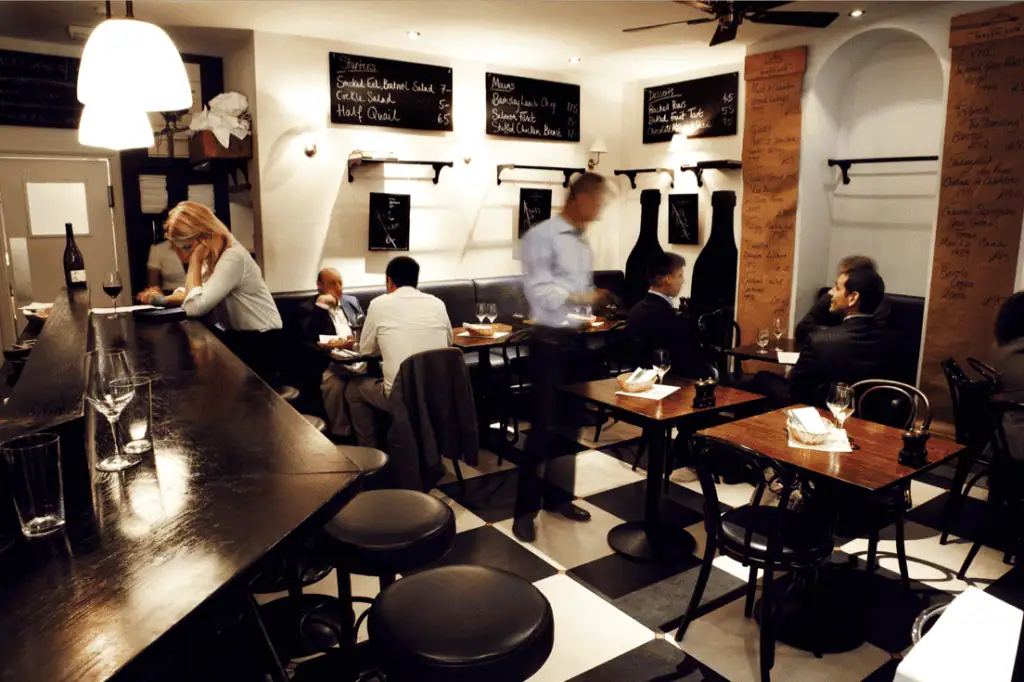
Lingering over a meal is part of hospitality, but extended stays during peak service can limit table turnover. When restaurants operate at full capacity, each delayed seating impacts waiting guests and overall revenue. Servers often balance encouraging comfort with maintaining efficient flow. While relaxing after dinner isn’t inherently problematic, occupying a table long after finishing during high-demand periods can strain both staff scheduling and service pacing.
Excessive “Everything on the Side” Requests
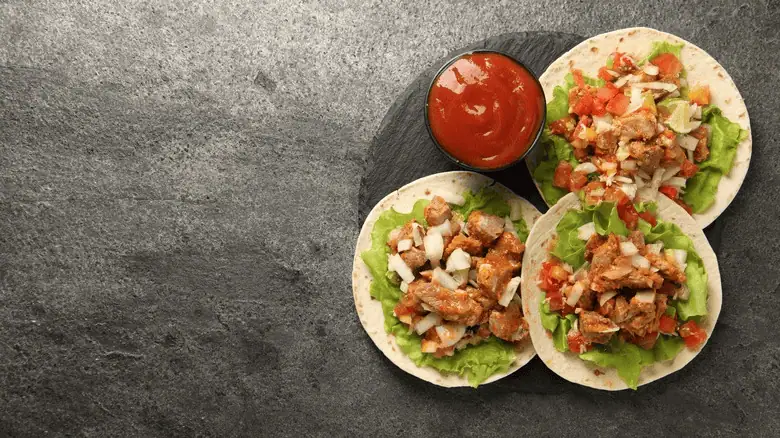
Asking for sauces, dressings, or toppings on the side is common, but when multiplied across many tables, these requests add noticeable prep time. Each additional ramekin requires portioning, plating adjustments, and sometimes separate ticket notations. In high-volume kitchens, even small modifications accumulate quickly. While preferences are understandable, frequent side requests complicate efficiency and increase dishwashing load. Streamlined ordering helps maintain smoother service for both staff and diners.


