
7 Food Industry Facts People Still Believe Even Though They’re Wrong

Food marketing, headlines, and half-remembered advice tend to linger long after the science has moved on. Once an idea feels intuitive or gets repeated often enough, it becomes part of everyday thinking, even when evidence no longer supports it. Some beliefs persist because they were once partially true and were never fully corrected, while others thrive because they simplify complex nutrition topics into easy rules. Over time, these shortcuts shape shopping habits, meal choices, and food fears. As a result, many people continue to make decisions based on outdated or misleading assumptions, even as better information becomes widely available.
“Fresh Is Always Healthier Than Frozen”
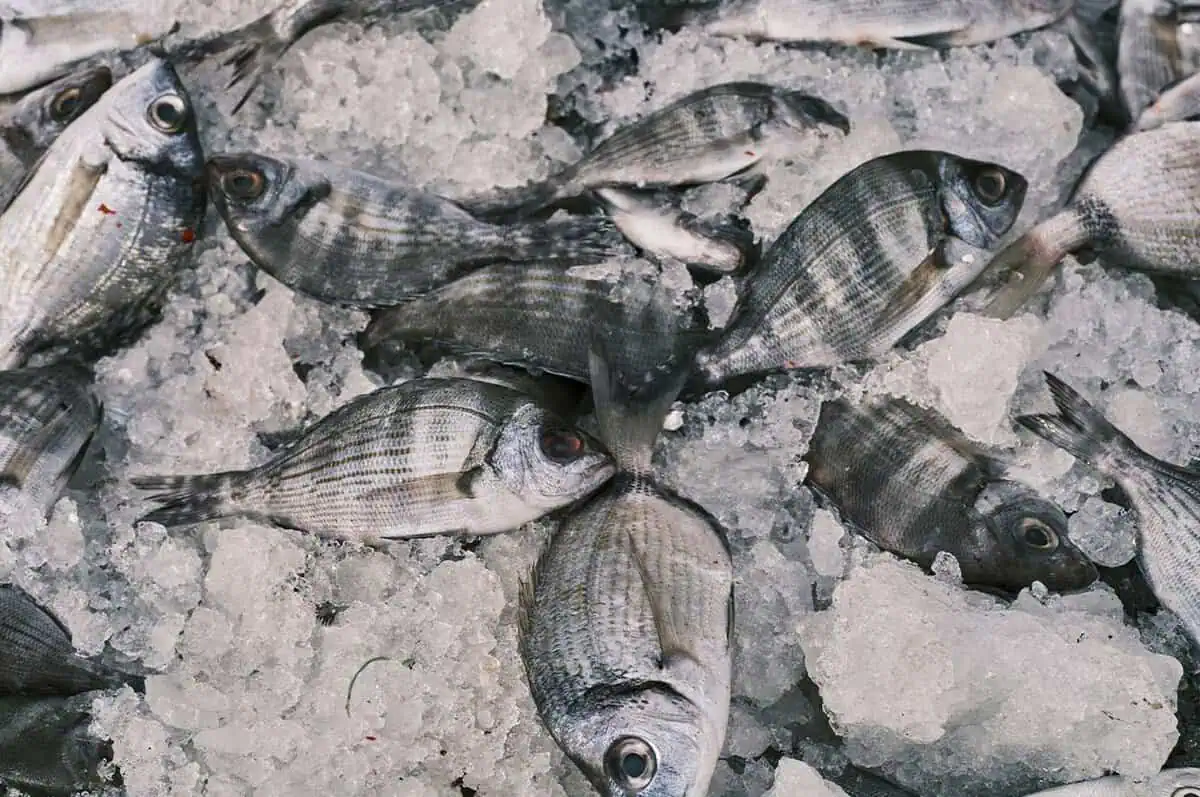
Frozen food is often assumed to be nutritionally inferior, but that belief overlooks how modern freezing actually works. Many fruits and vegetables are frozen very shortly after harvest, when their nutrient levels are at their peak. This rapid freezing process helps preserve vitamins and minerals that fresh produce can slowly lose during long transportation, extended storage, and time spent sitting on store shelves. Fresh produce isn’t automatically healthier just because it isn’t frozen. In many cases, the deciding factors are how recently it was harvested and how it was handled afterward. Timing, storage conditions, and supply chains often matter more than temperature alone.
“Processed Food Is Always Bad”
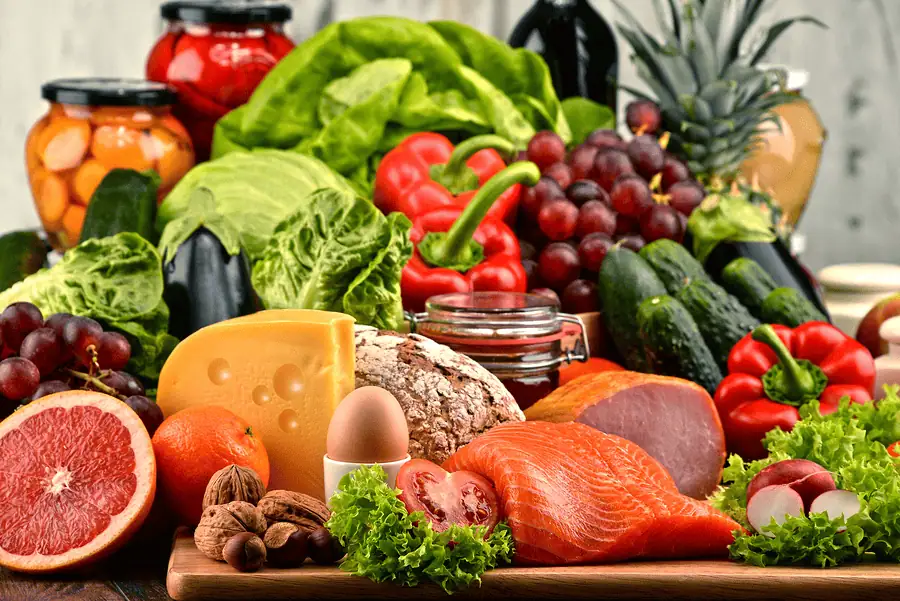
Processing is frequently treated as a single negative category, but in reality it covers a wide range of methods with very different outcomes. Processing can be as simple as washing, freezing, fermenting, or cooking food to make it safer and more convenient to eat. Foods like canned beans, yogurt, bread, cheese, and frozen vegetables are all technically processed, yet they can be nutritious and practical staples. The real concern isn’t processing itself, but highly refined foods designed mainly for long shelf life, low cost, or intense flavor. Understanding how and why a food is processed matters far more than the label alone.
“Expiration Dates Mean Food Is Unsafe After That Day”
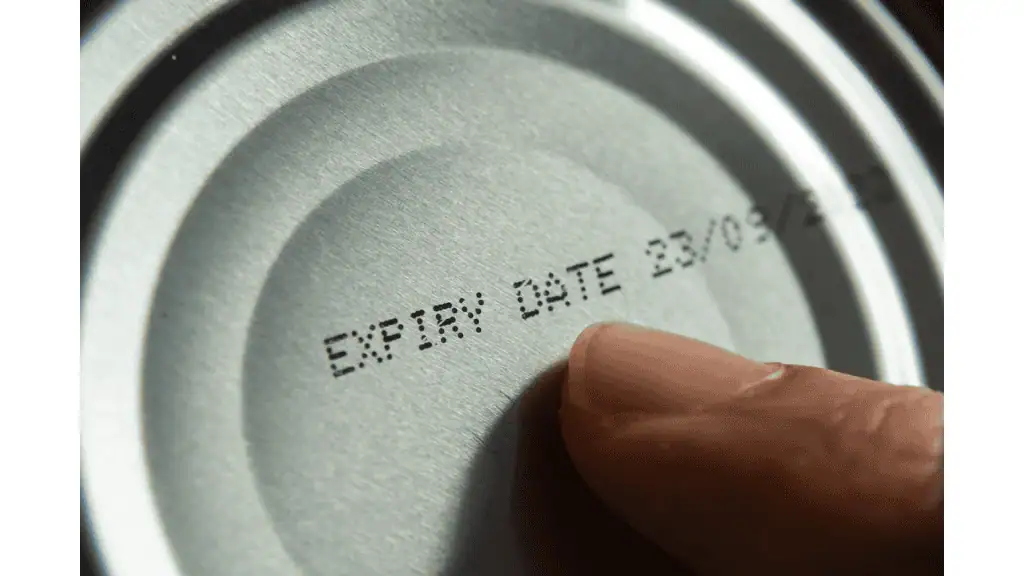
Expiration dates are widely misunderstood and often lead to unnecessary food waste. Most dates printed on packages are about quality rather than safety. Labels such as “best by” or “sell by” are meant to indicate peak flavor or freshness, not the moment a food becomes dangerous. Many foods remain perfectly safe to eat well after these dates if they have been stored properly and show no signs of spoilage. Misinterpreting these labels causes millions of pounds of edible food to be thrown away every year, even though careful inspection and proper storage are often enough to ensure safety.
“Organic Means Pesticide-Free”
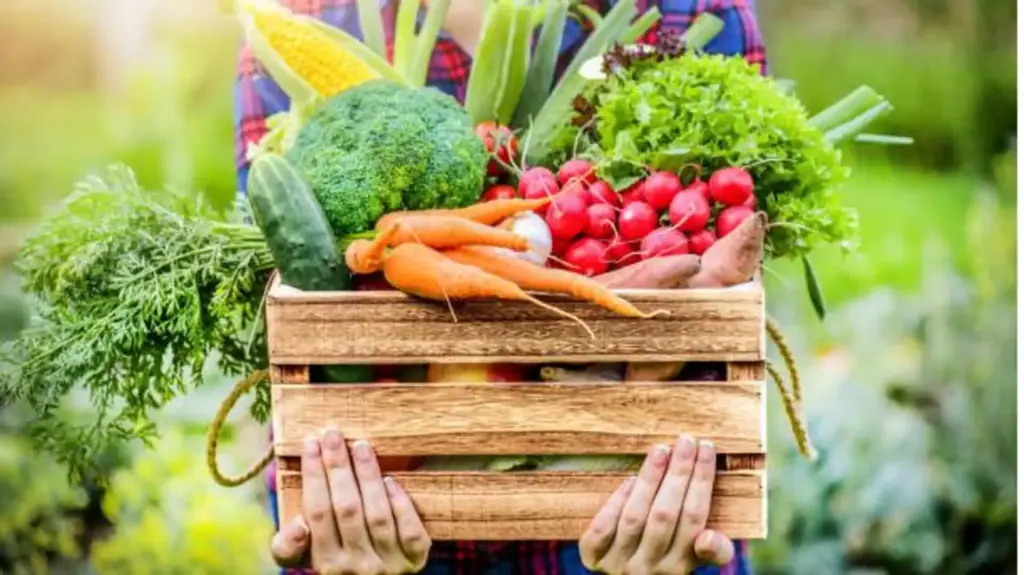
Organic farming is often misunderstood as completely pesticide-free, but that isn’t how organic standards work in practice. Organic regulations focus on restricting which pesticides can be used rather than eliminating them. There are approved organic pesticides, usually derived from natural sources, and they are legally applied when needed to protect crops. This means organic food can still involve chemical intervention, just under different rules. While organic choices may align with environmental or ethical preferences for some consumers, they are not automatically free of all pesticides, nor are they consistently more nutritious in every situation. The difference lies in farming methods, not absolute purity.
“Factory Farms Are Unregulated”
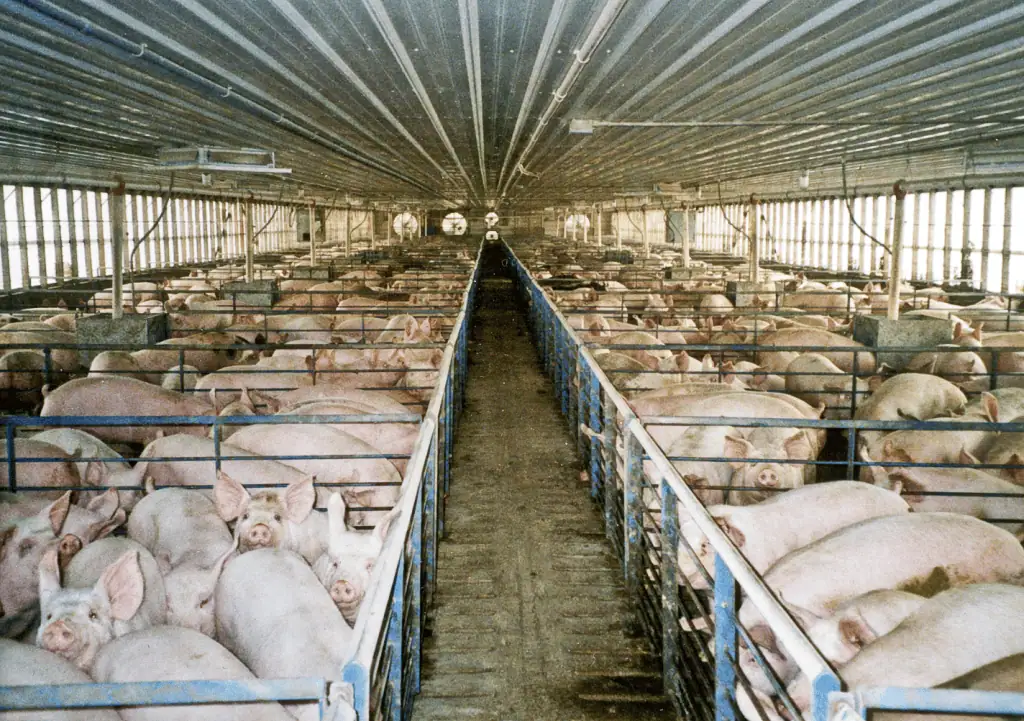
Large-scale or industrial food production is often assumed to operate without meaningful oversight, but in reality it is one of the most regulated parts of the food system. Factory farms are subject to inspections, documentation requirements, safety audits, and compliance standards that track everything from animal health to sanitation and waste management. In some cases, these operations are monitored more closely than smaller producers because of their scale and potential impact. This doesn’t mean every practice is ideal or beyond criticism, but the idea that industrial farms function without rules is inaccurate. Regulation exists, though it can be uneven, complex, and constantly changing.
“Natural Labels Mean Healthier Food”

The term “natural” sounds reassuring, but it carries very little legal weight in many countries. In most cases, it does not guarantee higher nutritional value, ethical sourcing, or minimal processing. Foods labeled as “natural” can still be highly processed, high in sugar or sodium, and made with additives that consumers might not expect. Because the definition is vague or loosely enforced, the label is often used as a marketing tool rather than a meaningful indicator of health. Relying on the word “natural” alone can be misleading, making ingredient lists and nutritional information far more reliable than front-of-package claims.
“Food Companies Know Exactly What’s Healthy”
Food companies don’t operate from one clear, fixed definition of what is healthy. Their decisions are shaped by consumer demand, government regulations, cost constraints, and fast-moving wellness trends rather than nutritional certainty. What gets marketed as “healthy” often reflects what sells well or aligns with popular beliefs at a given moment, even when the science is still evolving or incomplete. Nutrition research rarely offers instant, definitive answers, yet products are developed and launched long before consensus exists. The industry is highly responsive and adaptable, but true clarity about health impacts usually emerges years later, after foods are already widely consumed and normalized.


