
10 Hilarious White Lies About Food Your Parents Probably Told You Growing Up

“Eat your carrots or you’ll go blind.” “Swallow gum and it stays in you for seven years.” If that sounds familiar, you’re not alone. Parents have been telling creative little food fibs for generations, part motivation, part panic, part pure survival. From mysterious health threats to magical benefits, these white lies shaped how we ate as kids. Here are the funniest food myths parents swore were true—and most of us totally believed.
Eat the Crusts for Curly Hair

Many of us heard that eating bread crusts would give us curly hair. While this myth was likely a playful nudge to finish one’s plate, bread crusts do have their merits. The browning process during baking results in a richer flavor and slightly chewy texture, thanks to the Maillard reaction. Encouraging children to eat crusts can help develop their palate for complex tastes. For adults, savoring the crust can be about appreciating the contrast between the soft interior and the robust exterior.
Chocolate: Dinner's Arch-Nemesis

Chocolate has long been cast as the mischievous vice that spoils dinner. In truth, chocolate offers a delightful counterpoint to savory dishes. It's perfect when used judiciously in savory sauces or as a grated accent over dishes like chili or mole. High-quality dark chocolate, with its depth and slight bitterness, can elevate a meal rather than ruin it. Integrating chocolate into a dish challenges traditional pallets and enhances the overall culinary experience.
Sugar: The Wall-Bouncing Myth

While it’s often said that sugar can cause hyperactivity in children, evidence suggests otherwise. The real concern is moderated consumption rather than over-exaggerated jumps in energy. In moderation, sugar adds sweetness that can balance acidity, bitterness, or spice in recipes. Mastering sugar's role involves knowing how it affects texture and flavor profiles, whether caramelizing sugar for desserts or using it to enhance savory brines. Understanding sugar’s true role is crucial for effective cooking.
Spinach: Popeye’s Strength Secret
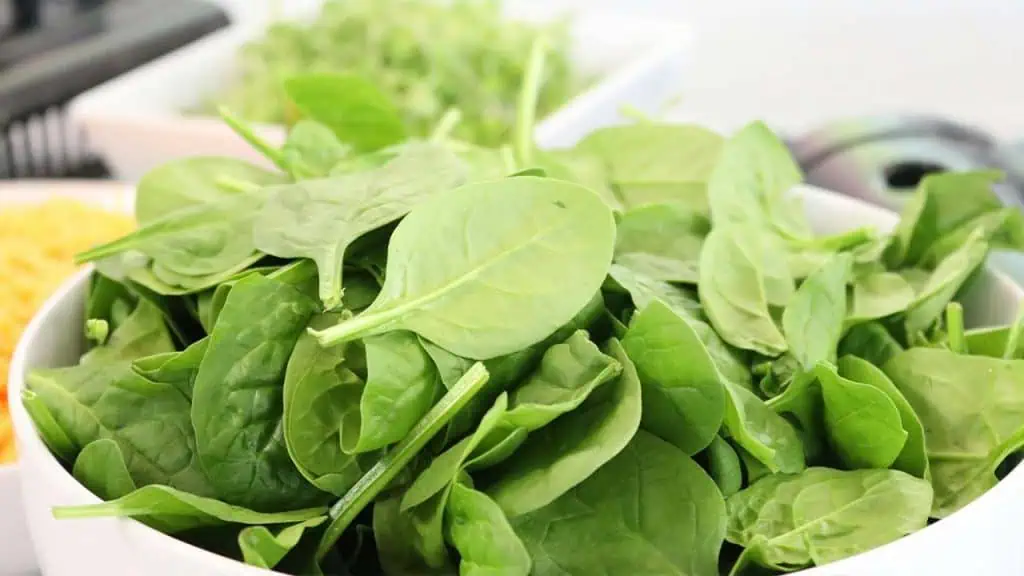
Spinach’s reputation as a muscle-building superfood comes from exaggerated claims, but it remains a nutritional powerhouse. Rich in iron, folate, and vitamins A and C, spinach supports overall health, even if it doesn’t instantly boost muscle mass. Using fresh spinach in salads or sautéing it enhances its natural sweetness and slight minerality. Blanching spinach can preserve its vibrant color and improve digestibility. Spinach adds a touch of elegance to many dishes while offering genuine health benefits.
Carrots: Eyewear Upgrade Promise

Carrots have been touted for their role in improving eyesight due to their beta-carotene content, which the body converts to vitamin A. While they support eye health, they are not a substitute for corrective lenses or glasses. The sweet, earthy flavor of carrots makes them versatile in both sweet and savory dishes. Roasting carrots caramelizes their sugars, adding depth to their flavor. When cooking, pair carrots with complementary herbs like thyme or rosemary to highlight their natural sweetness.
Ice Cream: Not Real Food

Ice cream was often dismissed as a ‘treat' rather than real food by parents looking to limit sugar intake. However, this delightful concoction is built on a base of cream and sugar, sometimes including eggs for richness. Understanding its composition helps achieve the perfect texture when making it at home. Balancing creamy sweetness with additions like fresh fruit or dark chocolate can transform it from a cheat snack to a gourmet dessert.
Coffee: The Forbidden Adult Drink

Coffee was framed as a grown-up indulgence, perhaps to keep curious young palates at bay. Its complexity stems from the careful selection of beans and precise brewing techniques. Whether using a French press or espresso machine, the grind size and water temperature greatly impact flavor. Introducing coffee through desserts like tiramisu can showcase its depth to those new to its robust nature.
The 8 p.m. Fat Transformation

The idea that eating after 8 p.m. leads to immediate weight gain was a clever tactic to discourage late-night snacking. While timing can affect digestion, portion control and balance are more crucial. If cravings arise, opt for light yet satisfying options such as Greek yogurt with a sprinkle of nuts, ensuring you maintain energy without excess calories. This approach emphasizes mindful consumption rather than arbitrary rules.
Vegetables: An Acquired Taste
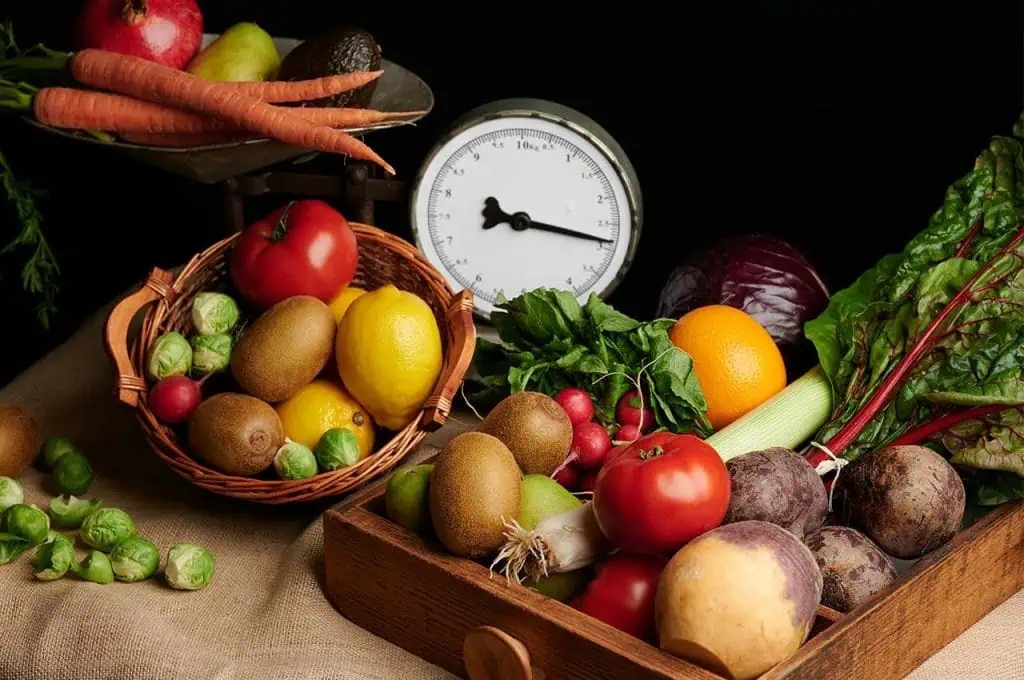
Parents often insisted that vegetables were an acquired taste, possibly to encourage persistence. Exploring various cooking methods reveals their versatility. Roasting vegetables at high heat caramelizes natural sugars, enhancing sweetness and depth. Pairing them with complementary flavors like balsamic vinegar or garlic elevates their appeal. With experimentation, vegetables transition from mere side dishes to stars of the plate.
Fast Food: The Naughty Treat

Fast food was frequently cast as the occasional indulgence reserved for special occasions. Understanding its allure lies in the balance of savory, salty, and sweet flavors. To recreate healthier versions at home, focus on quality ingredients. Homemade burgers using lean ground beef and whole-grain buns, with oven-baked fries, offer familiar satisfaction without the associated guilt. Such tweaks allow enjoyment without compromise.


