
6 Foods Cabin Crew Wish Passengers Would Stop Ordering on Airplanes

Airplane food already fights against physics. Limited ovens, dry cabin air, narrow aisles, and strict timing mean every meal must survive reheating, turbulence, and fast service. Cabin crew quickly learn which foods hold together and which quietly cause problems. Many unpopular items stay on menus simply because passengers expect them, not because they function well at altitude. What seems harmless on the ground can become messy, uncomfortable, or disruptive once sealed inside a pressurized cabin where smells travel fast and spills are hard to manage.
Strong-Smelling Hot Meals

Hot meals loaded with garlic, onions, fish, or heavy spices are notoriously difficult in flight. Once reheated, the aroma spreads instantly through the cabin and lingers far longer than intended. Cabin crew often dread these orders because one tray can affect dozens of nearby passengers. What smells comforting at ground level can feel overwhelming in a sealed environment. A personal food choice quickly becomes a shared sensory experience, creating discomfort that no amount of ventilation can fully undo.
Extra-Saucy Pasta Dishes
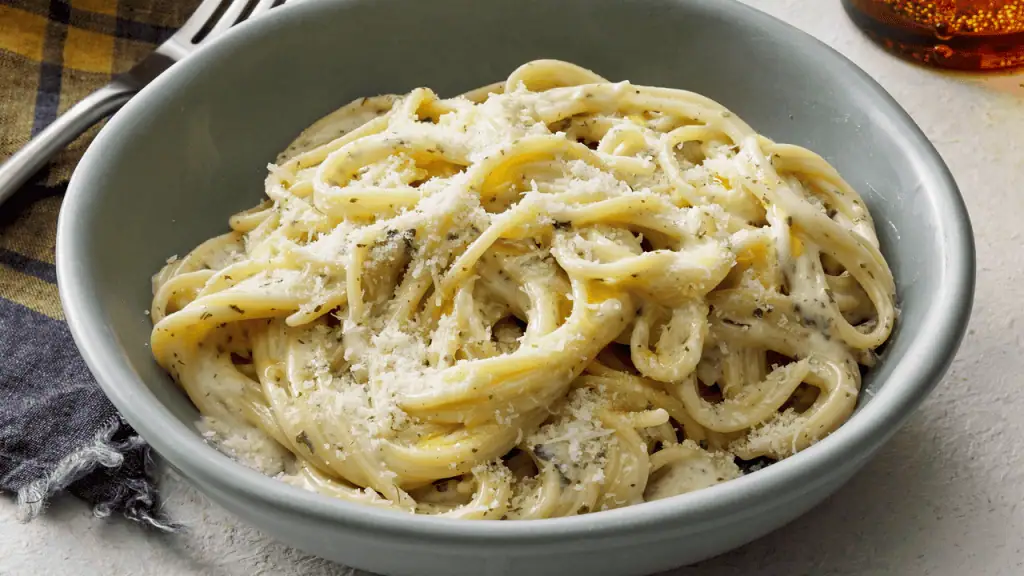
Extra-saucy pasta seems like a safe airplane option, but turbulence turns it into a liability. Trays tilt easily, lids slide, and sauce stains clothes, seats, and tray tables within seconds. Cabin crew know these meals generate the most mid-flight cleanup calls and frustrated passengers. Once sauce spills, it spreads quickly and is difficult to contain. Instead of comfort, these dishes often create disruption, slowing service and adding stress to an already tight inflight routine.
Shellfish or Fish-Heavy Meals
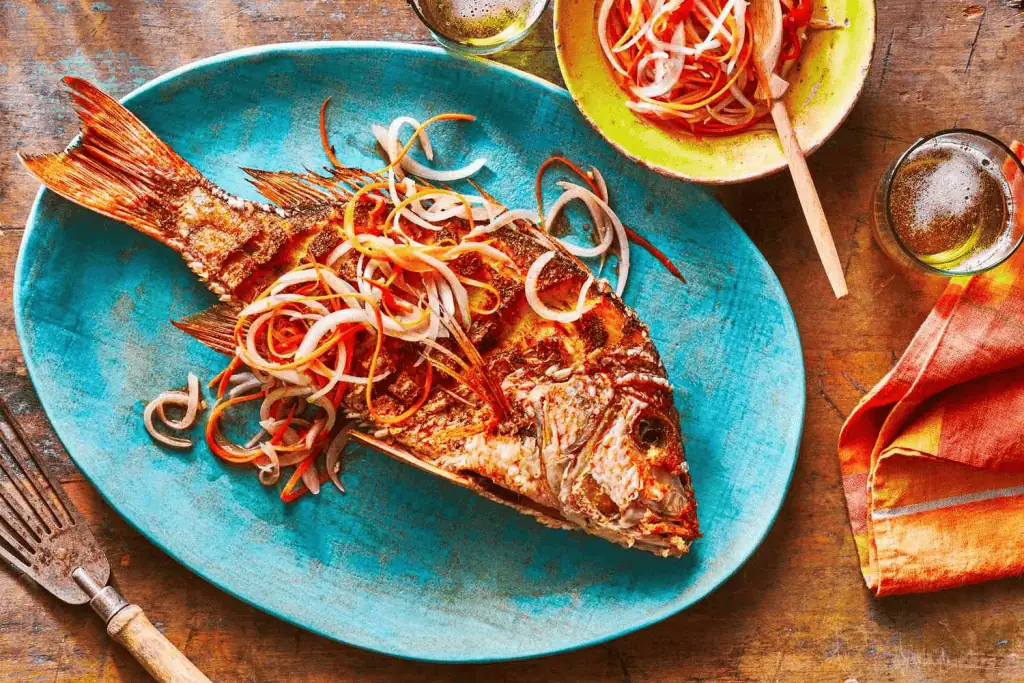
Shellfish and fish-heavy meals create multiple challenges once they’re reheated in a cabin. Strong odors travel quickly in sealed air, often prompting reactions from passengers who didn’t order seafood at all. Allergy sensitivity adds another layer of concern, forcing cabin crew to stay alert even when no incident occurs. Texture is another issue, fish reheats inconsistently, drying out or becoming rubbery. Crew members often brace themselves when these trays appear, knowing complaints are more likely despite careful preparation.
Complicated Coffee Drinks
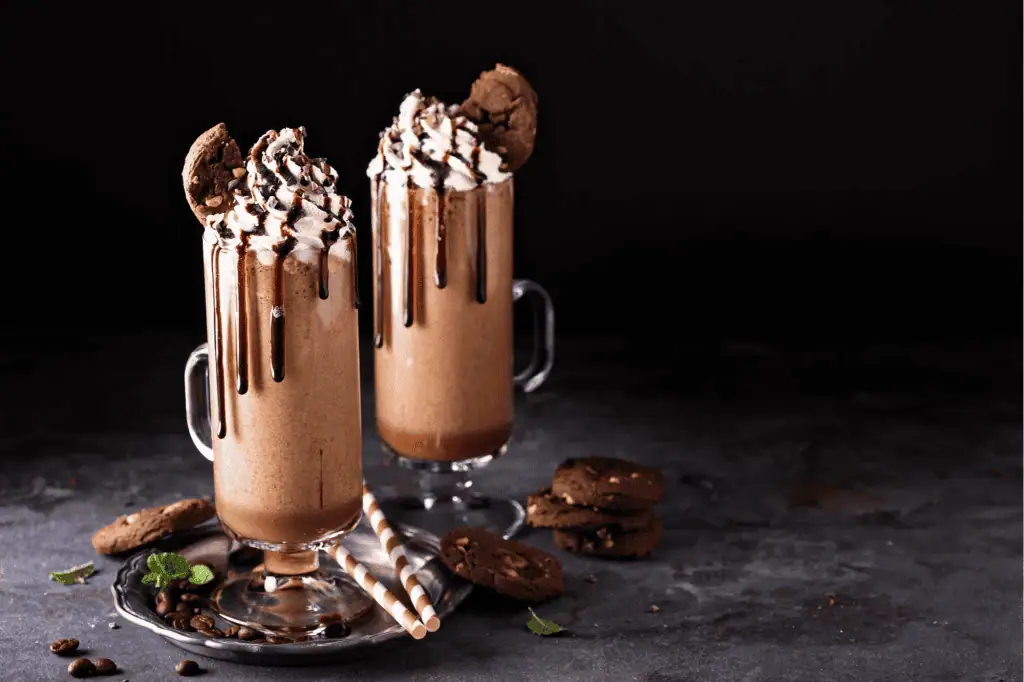
Specialty coffee drinks like lattes and cappuccinos slow in-flight service far more than passengers realize. Milk heating, foam stability, and temperature control become difficult in turbulence, especially in narrow aisles. Spills are common, and hot liquid accidents are a real safety concern. Preparing one complex drink can delay an entire service row. Cabin crew generally prefer simple black coffee or tea orders that keep service moving smoothly and reduce the risk of burns, mess, or unnecessary interruptions.
Large Alcohol Orders Early in the Flight
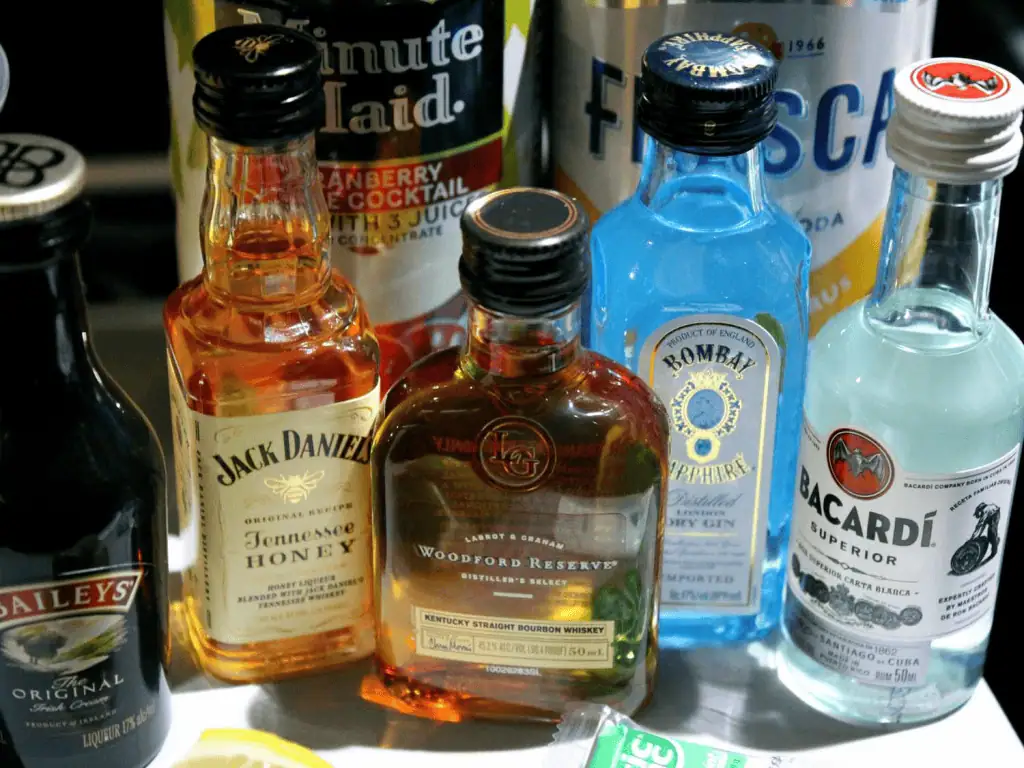
Ordering multiple alcoholic drinks early in a flight creates operational and safety concerns. Alcohol affects the body more strongly at altitude, and passengers often underestimate how quickly it hits. Cabin crew are trained to monitor consumption carefully, especially before cruising stabilizes. Large early orders increase observation, documentation, and potential refusal situations. Instead of relaxation, these orders can introduce tension and extra workload, affecting service flow and overall cabin comfort for everyone onboard.
Anything That Requires Cutting or Assembly
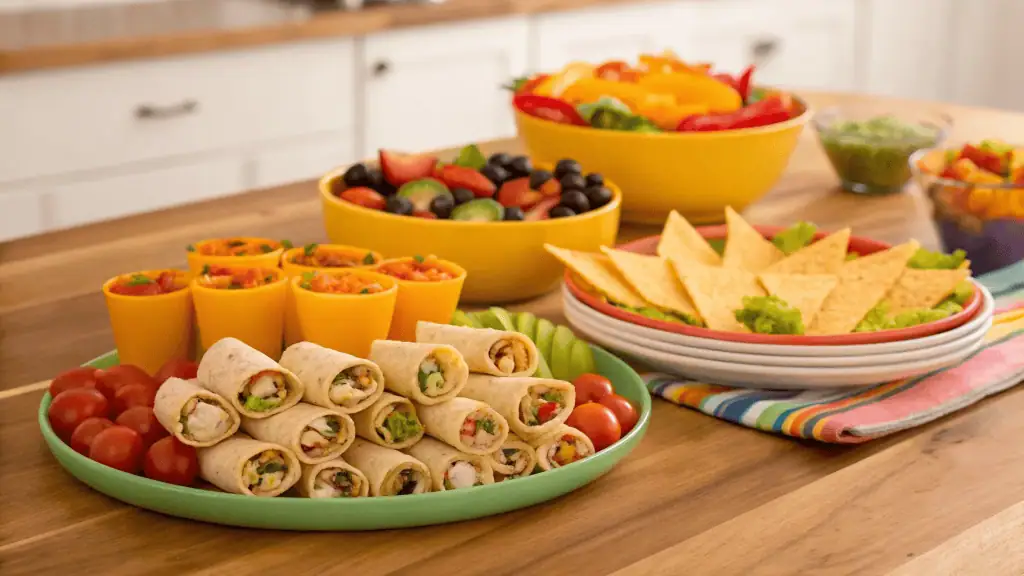
Meals that require cutting, stacking, or careful assembly rarely succeed on a small tray table. Limited space, dull utensils, and constant movement turn these foods into sources of frustration. Items slide, sauces spill, and components fall apart quickly. Cabin crew know these meals often lead to dropped food, stained clothing, and requests for replacements that simply aren’t available midair. At altitude, simplicity matters, and foods demanding precision usually disappoint.


