
7 foods Hotels Wish Guests Would Stop Ordering from Room Service

Room service is meant to feel indulgent, private, and effortless. Guests assume anything listed will arrive in peak condition. In reality, hotel kitchens quietly dread certain orders not because they’re rare, but because they’re inefficient, degrade quickly in transit, or are nearly impossible to execute well outside the dining room. These dishes remain on menus largely due to guest expectations. Once food leaves the kitchen, time, distance, and temperature work against it, often turning familiar comfort orders into underwhelming experiences.
Well-Done Steak
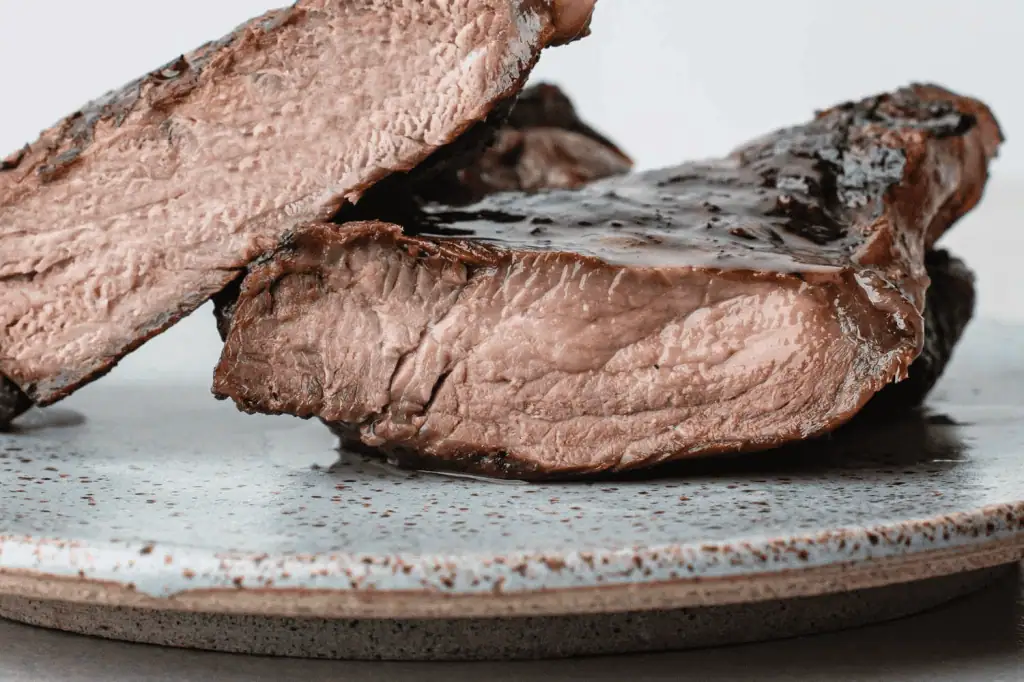
Well-done steak is one of the most regretted room-service requests. By the time it travels from the kitchen to the elevator to the hallway, moisture loss is unavoidable. What leaves the kitchen barely acceptable often arrives dry, tight, and flavorless. Steak requires immediacy and precise heat control, both of which room service cannot guarantee. Hotels know the outcome rarely satisfies, but guests insist. The result is a dish that disappoints despite being prepared exactly as requested.
Fries (Especially on Late-Night Orders)

Fries are engineered to be eaten almost immediately, not delivered across a hotel. Within minutes, the steam softens the exterior, and heat loss begins to occur. By the time fries reach a guest room, they’re limp, cold, and far from what was promised on the menu. Kitchens keep them listed because demand never fades, especially late at night. Behind the scenes, however, fries rank among the lowest-satisfaction room service items, and no packaging has solved that reality.
Cream-Based Pasta

Cream-based pasta struggles outside the dining room. As sauces cool, they thicken, separate, and lose balance, turning smooth richness into heaviness. What reads indulgent on a menu often arrives clumpy and dull. Hotel kitchens know these dishes perform far better when eaten immediately, yet room service guests continue ordering them, expecting restaurant-quality results. The delivery format works against the dish, creating disappointment through no fault of technique, only timing and physics.
Over-Easy or Poached Eggs
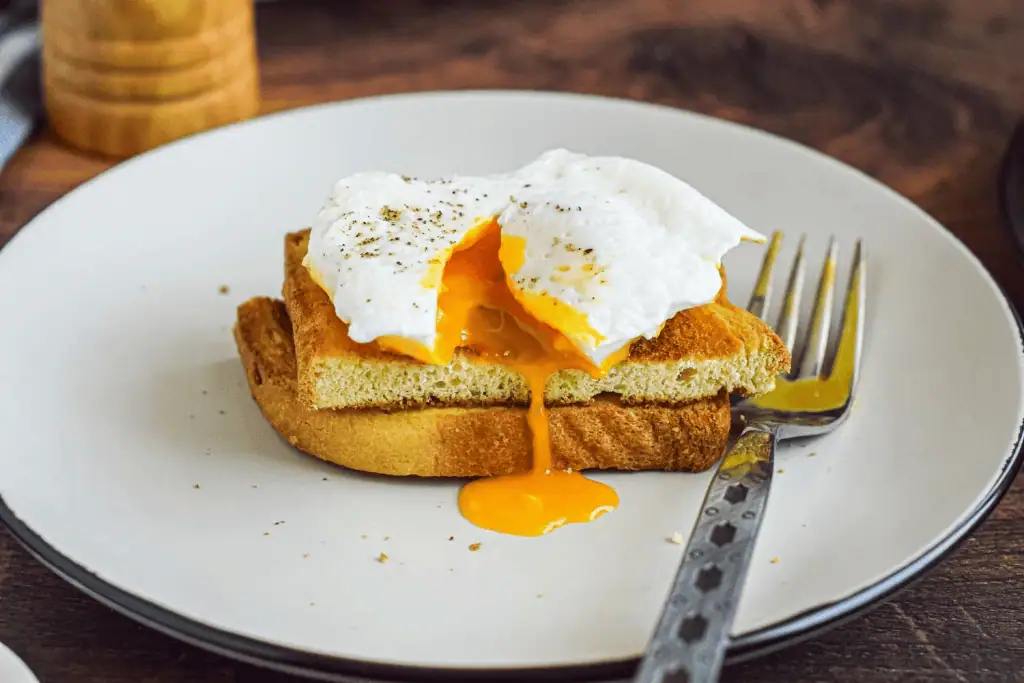
Runny-yolk eggs are some of the most timing-sensitive foods a hotel kitchen makes. Between plating, elevators, and hallway delivery, the window for perfection disappears quickly. Yolks continue cooking, whites tighten, and textures lose their softness by the time the tray reaches the door. Hotels can execute these eggs beautifully in a dining room, but not in transit. They stay on room-service menus because breakfast tradition demands them, even though kitchens know the final result rarely matches guest expectations.
Burgers With “Everything”
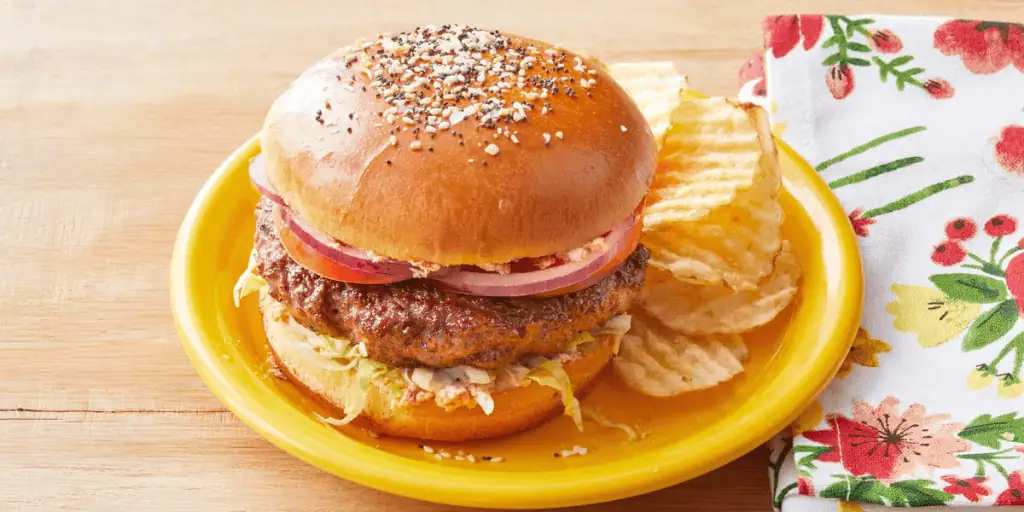
Room-service burgers struggle the moment they’re boxed. Steam builds up instantly, wilting lettuce, soaking buns, and collapsing carefully layered toppings. What leaves the kitchen looking composed often arrives as a soggy compromise. Hotels know simpler burgers travel better, but guests tend to order fully loaded versions, expecting restaurant stability in a delivery format that can’t support it. The disappointment isn’t about flavor, it’s about physics quietly undoing structure during the journey.
Ice Cream Desserts

Ice cream seems harmless, but it’s one of the riskiest room-service desserts. Even insulated covers can’t fully prevent melting during delivery. What arrives is often partially liquid, refrozen at the edges, or texturally uneven. Temperature swings destroy the smoothness people expect. Hotels keep ice cream on menus because guests want familiar dessert options, especially late at night. Behind the scenes, though, it’s one of the highest-failure items kitchens reluctantly send upstairs.
Anything Promising “Crispy”

If a room-service menu promises crispness, it’s already making a compromise. Fried chicken, calamari, or tempura rely on airflow and immediate serving to stay crunchy. Room service removes both. Steam softens coatings within minutes, leaving food limp by arrival. Kitchens know these dishes disappoint more often than they satisfy, yet they remain because guests associate crisp foods with comfort and indulgence. In delivery, however, crispness is usually the first casualty.


