
9 Grocery Store Splurges Boomers Won’t Admit To

Boomers built much of their financial identity around practicality, value, and not wasting money, and that reputation still follows them. Yet modern grocery stores are very different from the ones they grew up with. Shelves are filled with premium versions of ordinary foods, and many boomers quietly choose them. These purchases are rarely framed as splurges. Instead, they’re justified as quality, tradition, or “worth it.” The indulgence isn’t loud or trendy, but it shows up consistently, revealing how ideas of value have evolved without being openly acknowledged.
Good Bread From the Bakery Section
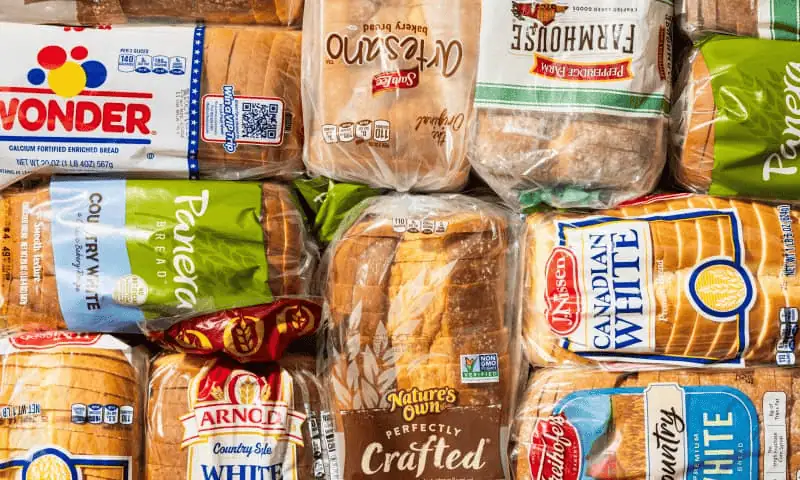
Many boomers bypass the cheapest sliced bread and head straight for the bakery section. Crusty sourdough, seeded multigrain, or rustic loaves feel more familiar and substantial, even when they cost several times more. The justification is usually flavor, texture, or the belief that this is how bread used to be made. While they may criticize food trends that feel overpriced, bakery bread occupies a protected category. Here, freshness and tradition quietly outweigh thrift, revealing a willingness to pay more for something that feels real.
Name-Brand Coffee
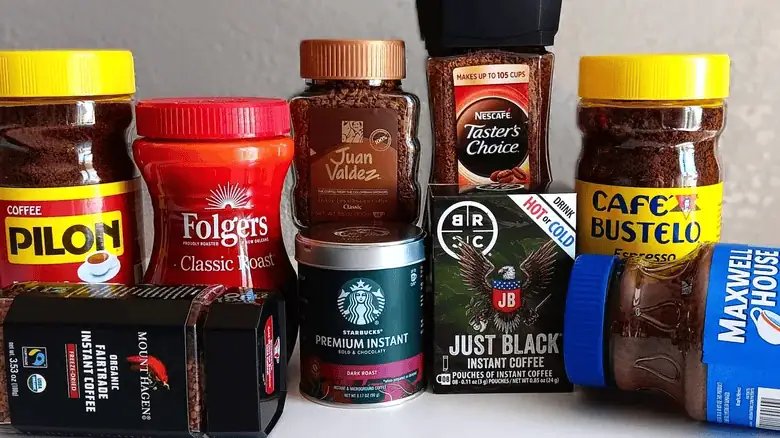
Despite years of emphasizing brand loyalty and practicality, many boomers refuse to compromise on coffee. Generic options are often ignored in favor of familiar, trusted brands or premium blends that promise consistency. Coffee is treated as essential rather than indulgent, something that sets the tone for the entire day. Even boomers who insist they rarely splurge tend to make exceptions here. The higher price is accepted without much debate because the ritual matters more than small savings.
Premium Ice Cream
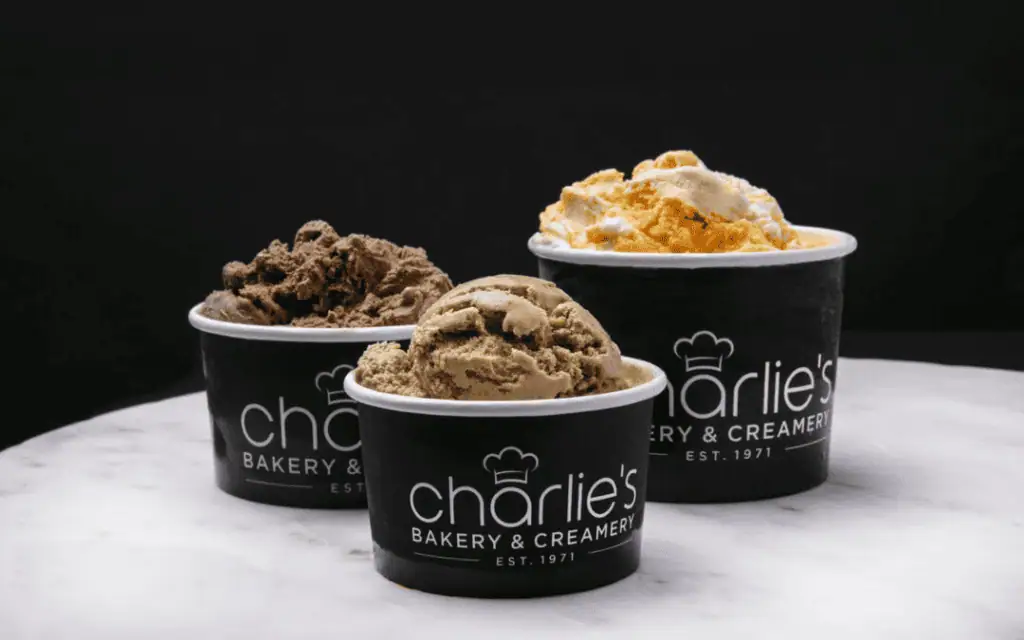
Ice cream is one of the most common grocery splurges boomers rarely talk about. Instead of store brands, many reach for premium tubs known for richer ingredients and denser texture. The justification is almost always moderation: “You don’t eat much of it.” That logic reframes indulgence as restraint. It’s not about excess, but about choosing better quality in smaller amounts. The splurge feels reasonable because it’s tied to comfort and nostalgia, not novelty or status.
Specialty Cheese
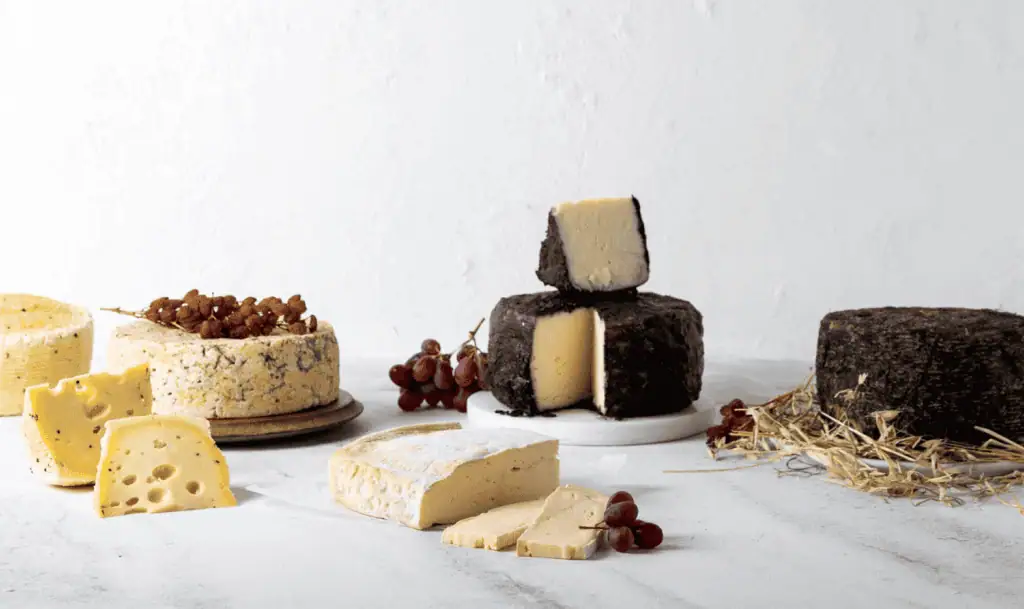
Boomers often spend more time at the cheese counter than they admit. Aged cheddar, imported Parmesan, or soft cheeses that feel slightly indulgent make their way into carts under the reasoning of flavor or versatility. Cheese feels practical because it can be used across meals, snacks, and gatherings. Still, the price difference compared to basic options adds up. This habit reflects a quiet shift toward enjoyment and refinement, showing how pleasure has slowly become part of everyday shopping decisions.
Pre-Cut or Prepared Produce
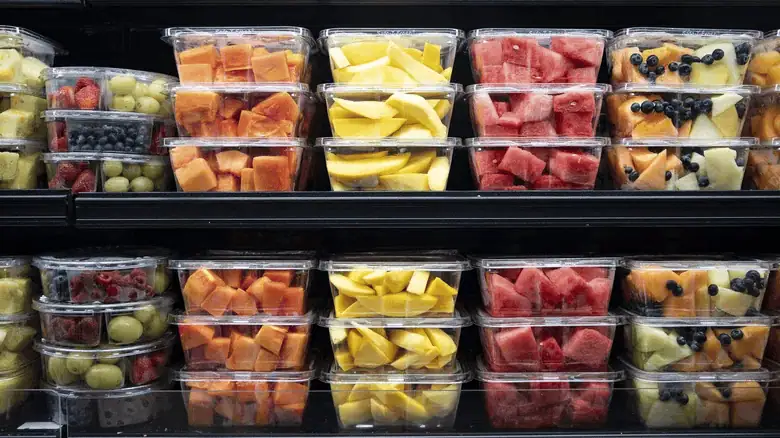
While boomers often criticize convenience foods, many still buy pre-washed greens, chopped vegetables, or ready-to-use produce. The higher price is justified as saving time, reducing waste, or making cooking more manageable. As energy levels and priorities change, convenience becomes practical rather than lazy. These items cost more per pound, but they simplify daily meals. It’s a subtle indulgence that prioritizes comfort and efficiency, revealing how practicality itself has been redefined over time.
Better Cuts of Meat
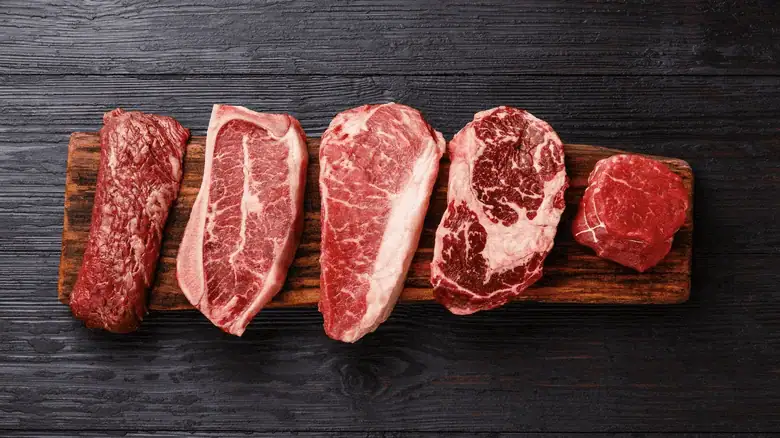
Boomers may buy less meat than they once did, but when they do, they often choose higher-quality cuts. Grass-fed beef, thicker steaks, or well-marbled roasts feel earned rather than indulgent. The logic is simple and familiar: eat less, but eat better. This mindset reframes splurging as restraint, not excess. By focusing on quality over quantity, the purchase feels thoughtful and controlled. At the meat counter, this shift from volume to value is clear, reflecting a quiet evolution in how worth and moderation are defined.
Brand-Name Snacks
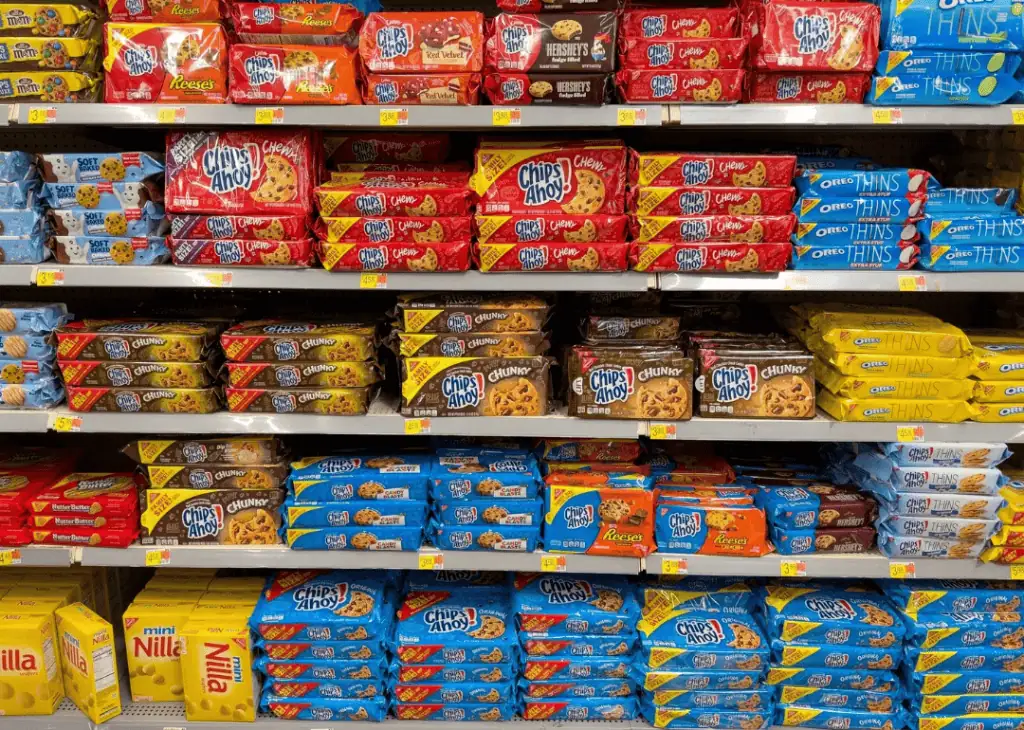
Even boomers who consider themselves budget-conscious often bypass generic snacks. Crackers, chips, and cookies from familiar brands feel safer and more satisfying, largely because of taste memory. Store brands may be cheaper, but they don’t always replicate the flavors people grew up with. These purchases are rarely labeled as splurges, yet they happen consistently. Over time, they reveal how emotional loyalty can outweigh small savings. Comfort, predictability, and familiarity quietly justify the higher price without much internal debate.
Quality Olive Oil
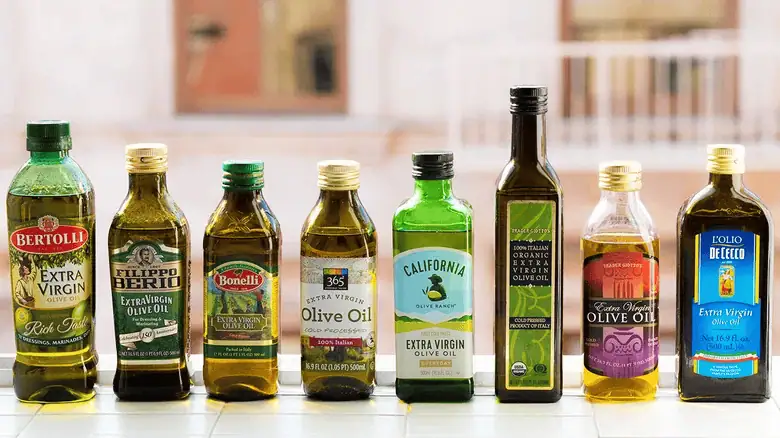
Olive oil has become a subtle marker of “good” grocery shopping for many boomers. Bottles labeled extra virgin, imported, or cold-pressed regularly land in carts, even at higher prices. The justification blends health, longevity, and authenticity. Good olive oil is seen as cleaner, more traditional, and versatile enough to earn its cost. Once considered exotic or unnecessary, it now feels essential. Because it’s used sparingly and lasts, the splurge barely registers, making it one of the easiest upgrades to accept without hesitation.
Desserts for “Company”
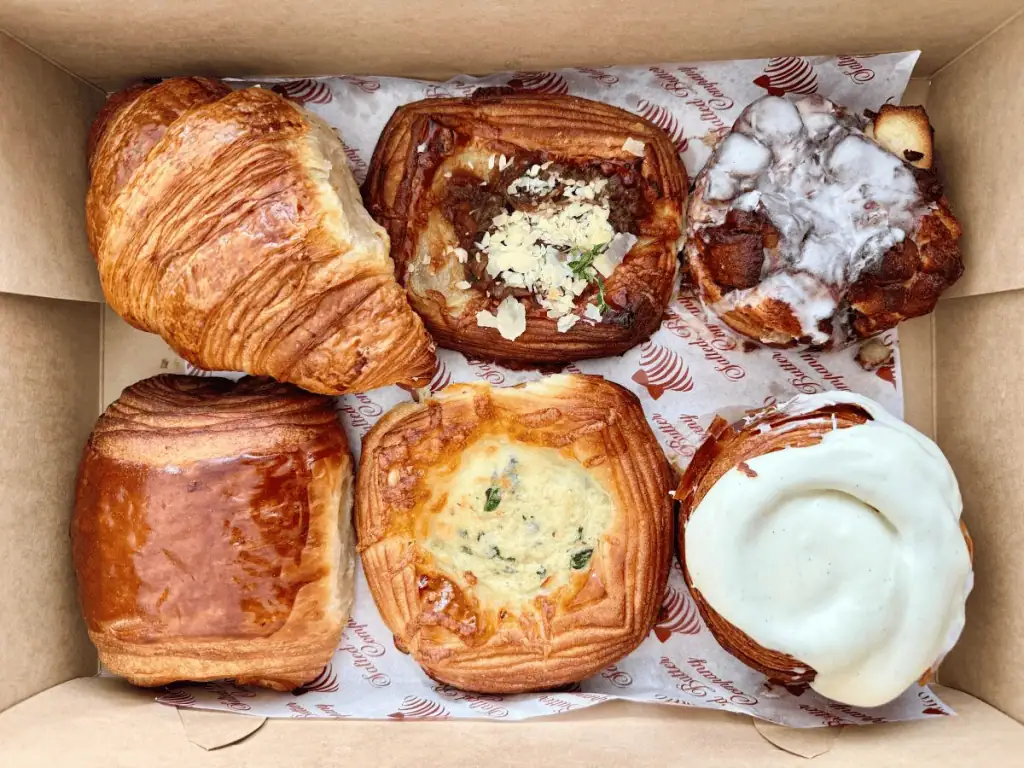
Boomers often buy nicer desserts than they admit, frequently explaining the purchase as being for guests even when no visit is planned. Cakes, pastries, or specialty cookies come home under the assumption they’ll be shared. In reality, they often become personal treats enjoyed slowly. This habit reflects optimism, generosity, and the lingering instinct to always be prepared. The extra cost feels justified because it’s framed as hospitality, not indulgence, allowing a small luxury to exist comfortably within a practical mindset.


