
12 Winter foods that Can Take Gen X and boomers back in Time

Before frozen aisles expanded and global flavors became common, winter eating in America revolved around warmth, thrift, and ingredients that lasted. Gen X and Boomer households relied on foods that were filling, affordable, and easy to stretch during colder months. Many of these dishes weren’t trendy or exciting, they were practical. As food culture shifted toward convenience and variety, these winter staples slowly disappeared, leaving behind memories that younger generations rarely recognize.
Beef Stew
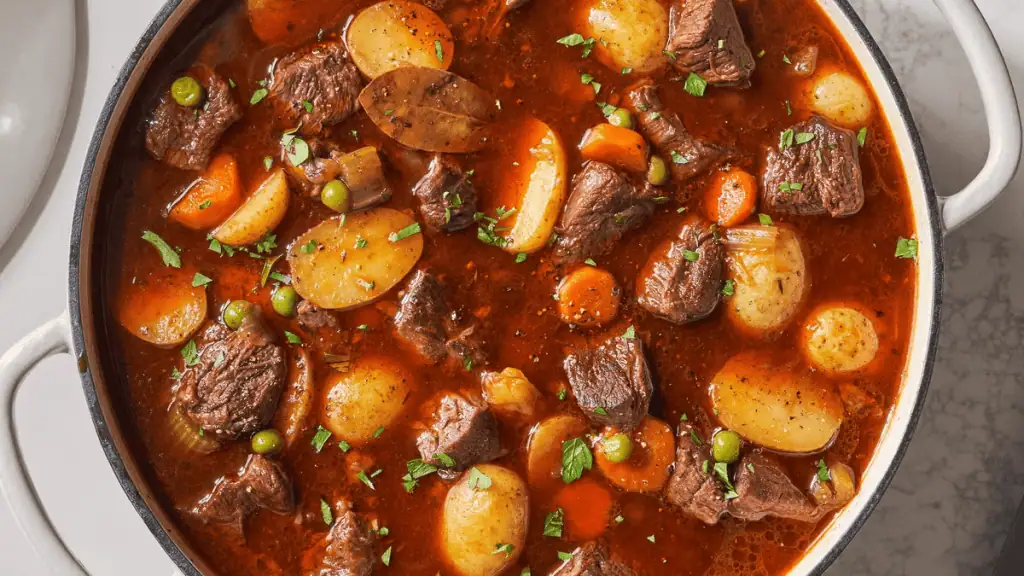
Beef stew was a winter essential because it turned tough, inexpensive cuts of meat into rich, filling meals through slow cooking. Families relied on long simmering to soften meat while stretching it with potatoes, carrots, onions, and broth. The stew pot often stayed on the stove all day, warming the house and feeding everyone for multiple meals. Younger generations rarely cook stews from scratch now, but for Gen X and Boomers, beef stew was a guaranteed winter dinner that meant comfort, leftovers, and warmth.
Creamed Chipped Beef on Toast
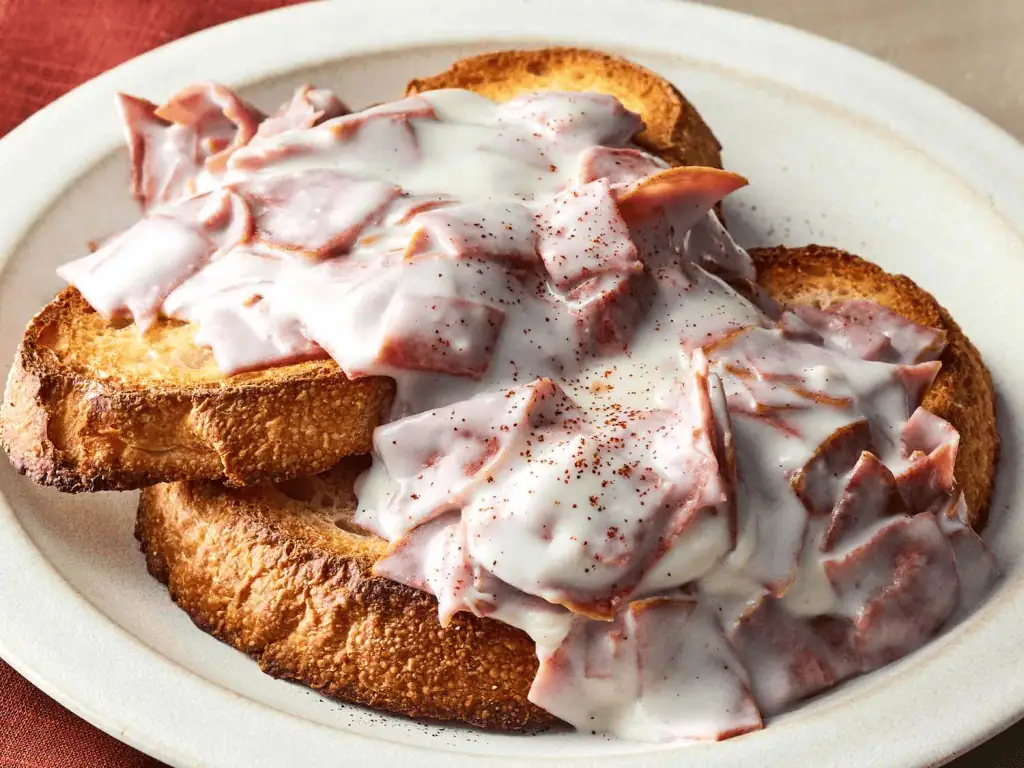
Creamed chipped beef, often called “SOS,” was a winter staple built around shelf-stable dried beef and thick white gravy. It was salty, heavy, and intentionally filling, designed to keep people warm and satisfied in cold weather. Served over toast, it required few fresh ingredients and reheated easily. While later criticized for richness and sodium, Gen X and Boomers remember it as dependable winter food that showed up when groceries were limited and comfort mattered more than refinement.
Boiled Cabbage and Potatoes

Boiled cabbage paired with potatoes or small amounts of meat was common in winter because cabbage stored well and stayed affordable for months. Long cooking softened the cabbage and mellowed its sharpness, creating a mild, filling dish meant to stretch calories rather than impress. For older generations, this meal represented practicality and survival through cold seasons. Younger eaters often avoid boiled vegetables, but this dish once symbolized winter resourcefulness rather than bland cooking.
Baked Custard
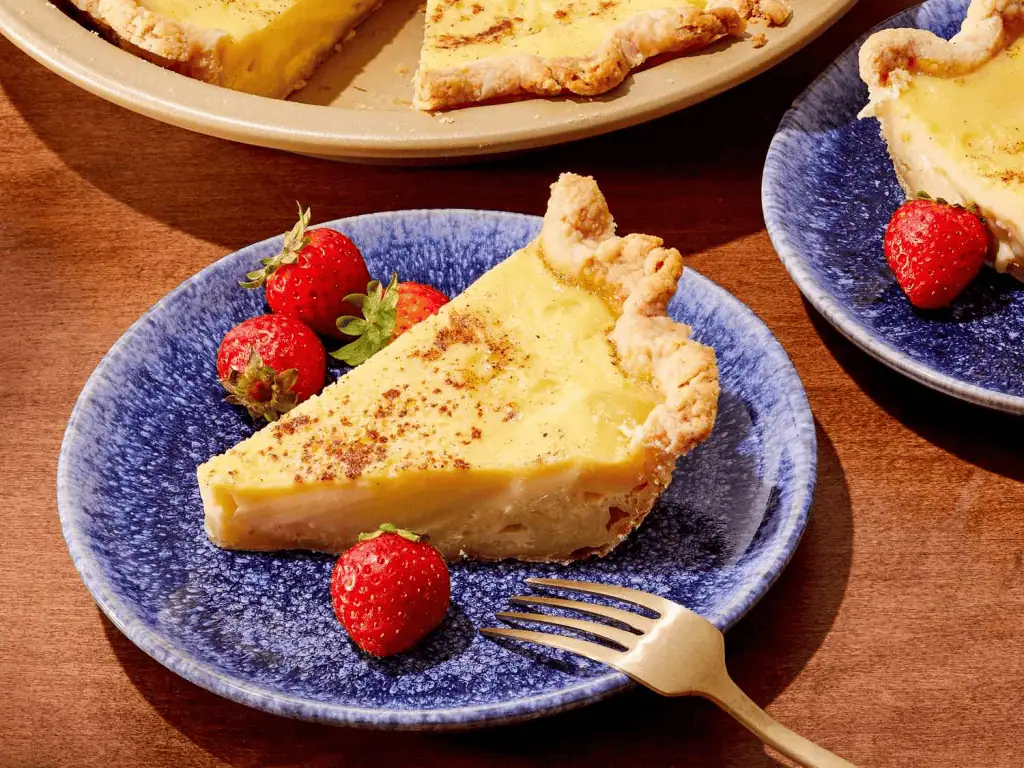
Baked custard was a quiet winter dessert made from milk, eggs, and sugar, ingredients most households already had. It was often baked slowly in a water bath, producing a smooth, comforting texture that felt warming even when served chilled. Custard filled the gap when fruit desserts weren’t available in winter. Today it’s rarely made at home, but Boomers remember it as a simple, reassuring sweet that appeared on cold nights without any sense of indulgence.
Oatmeal with Milk and Sugar

Hot oatmeal was a winter breakfast ritual long before flavored packets and toppings became common. Cooked slowly on the stove and topped with milk or a small spoon of sugar, it provided warmth and long-lasting energy. It wasn’t exciting, but it was dependable and affordable. Gen X and Boomers remember oatmeal as something eaten because it worked, not because it was trendy. That plain, utilitarian version has mostly disappeared from modern breakfasts.
Old-Fashioned Potato Soup

Potato soup thrived in winter kitchens because it required few ingredients while delivering maximum comfort. Potatoes, milk, butter, and onions combined into a thick, warming meal that could feed large families cheaply. Often cooked in big pots, it was eaten for several days in a row. Today’s potato soups tend to be richer and more elaborate, but older generations remember the simple winter version as filling, repetitive, and deeply comforting during cold months.
Liver and Onions
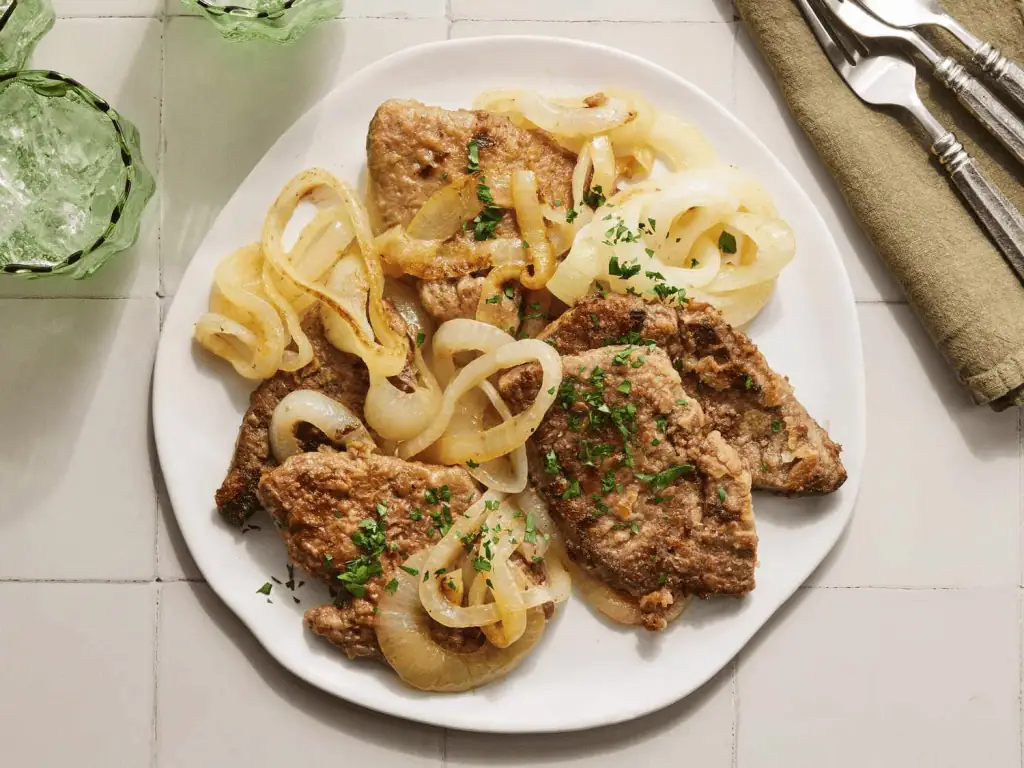
Liver and onions was considered proper winter food because they were hearty, nutrient-dense, and served hot with gravy or potatoes. Many Boomers remember being told to eat it “because it’s good for you,” regardless of taste. The strong smell and texture made it memorable, even controversial. While it’s rare now, liver and onions once represented winter nourishment, when food was expected to strengthen the body rather than simply please the palate.
Split Pea Soup with Ham
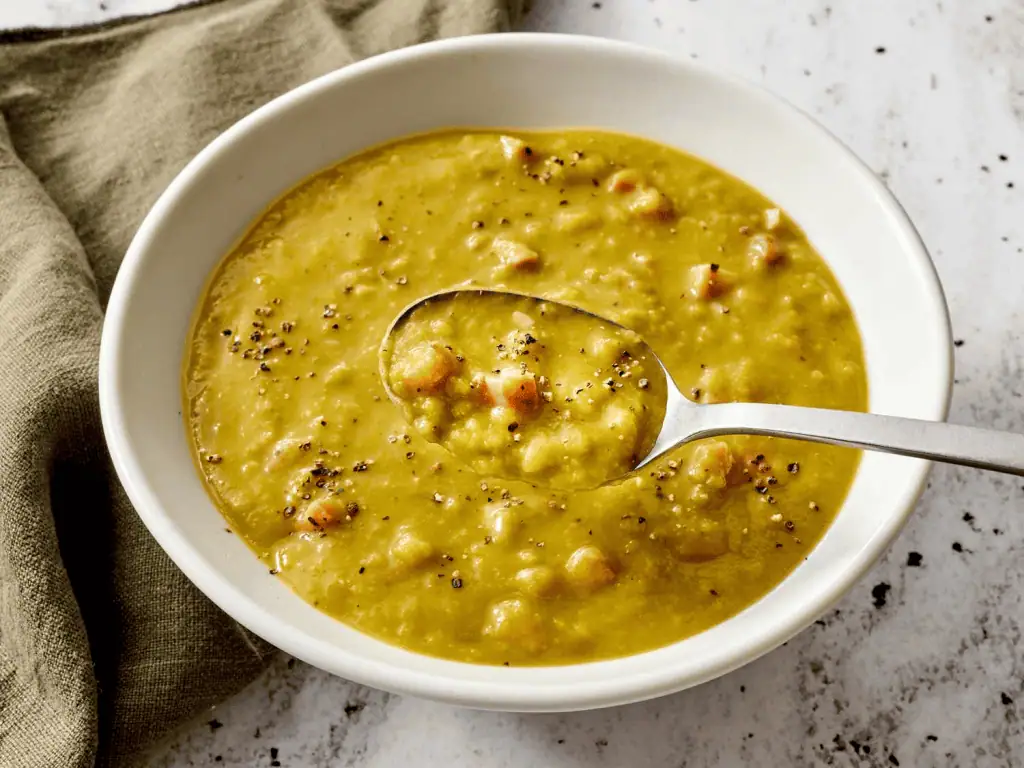
Split pea soup was a classic winter dish built around dried peas and leftover ham bones. Thick, slow-cooked, and deeply filling, it warmed households and stretched meat across multiple meals. The soup was meant to be heavy, almost spoon-standable, ideal for cold days. While still known today, it’s far less common than it was in Gen X and Boomer childhoods, when it symbolized thrift, warmth, and long winter evenings.
Rice Pudding
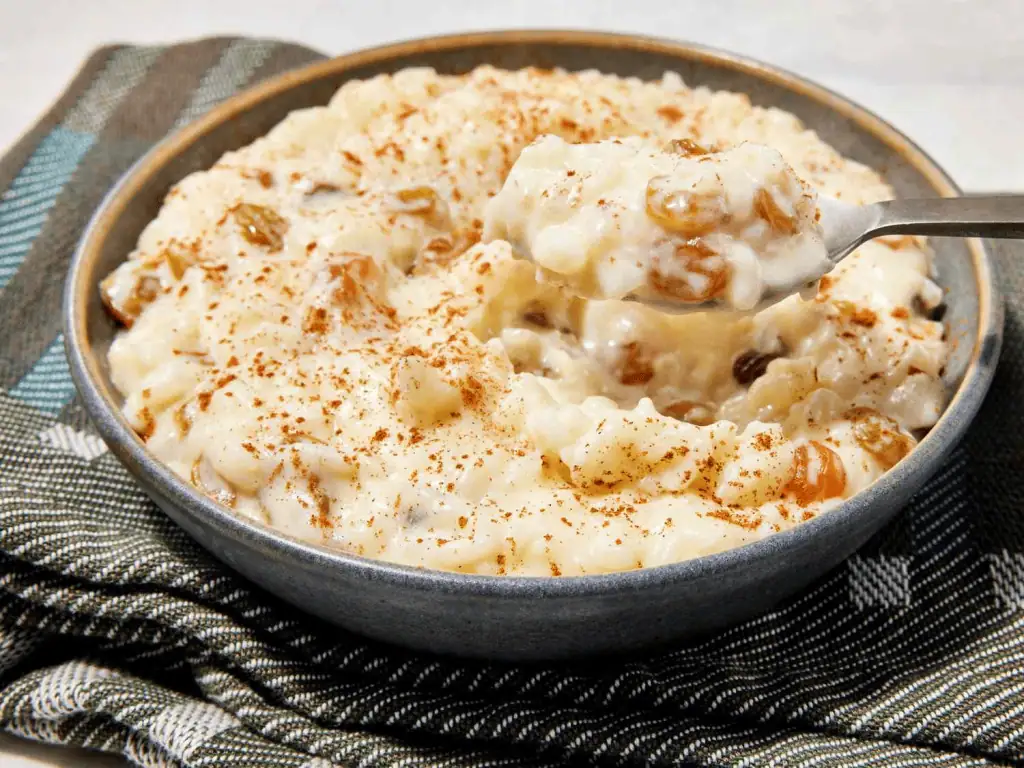
Rice pudding was a winter dessert born from thrift and warmth. Made with leftover rice, milk, and a little sugar, it transformed scraps into something comforting. Served warm with cinnamon or nutmeg, it felt especially satisfying on cold nights. Families made it to avoid waste and create sweetness without extra cost. Modern desserts have largely replaced it, but older generations remember rice pudding as a reliable winter treat rather than a novelty.
Hot Milk Before Bed

Hot milk was once a common winter bedtime drink, believed to promote sleep and warmth. Heated gently and sometimes sweetened, it was part of a quiet evening ritual in many homes. Before central heating and constant snacking, this simple drink offered comfort on cold nights. Younger generations rarely drink hot milk now, but Boomers remember it as a normal part of winter routines tied to rest and care.
Cornbread with Dinner

Cornbread appeared more often in winter meals because it paired well with soups, beans, and stews. Cheap, filling, and easy to bake, it added warmth and calories to simple dinners. Served hot with butter, it helped make modest meals feel complete. While cornbread still exists, it’s less closely tied to winter eating than it once was, when it functioned as both side dish and survival food.
Meatloaf

Meatloaf was a winter favorite because it stretched small amounts of ground meat with breadcrumbs, eggs, and milk into multiple servings. Served hot with gravy or potatoes, it provided warmth and leftovers for days. It was economical, predictable, and deeply familiar. While younger generations still recognize meatloaf, they rarely associate it with winter necessity the way Gen X and Boomers do, when it anchored cold-weather dinners.


