
How America Became the World’s Fast-Food Capital ( And the Chains That Built the Empire)

America didn’t become the world’s fast-food capital by accident. It was the result of social change, economic pressure, and an obsession with efficiency that reshaped how people ate. As cars, suburbs, and busy work schedules expanded, food needed to be quick, affordable, and predictable. Fast food answered that demand perfectly. Over time, what began as convenience evolved into an empire, exporting American eating habits, business models, and branding across the globe.
The Rise of Speed and Standardization

The foundation of American fast food was built on speed and consistency. Early chains realized that customers valued knowing exactly what they would get, regardless of location. Standardized menus, assembly-line kitchens, and simplified recipes allowed food to be produced rapidly and reliably. This predictability created trust and loyalty. Unlike traditional restaurants, fast-food chains removed uncertainty, turning meals into repeatable products rather than experiences that varied from cook to cook or region to region.
Suburbs, Cars, and Drive-Thru Culture
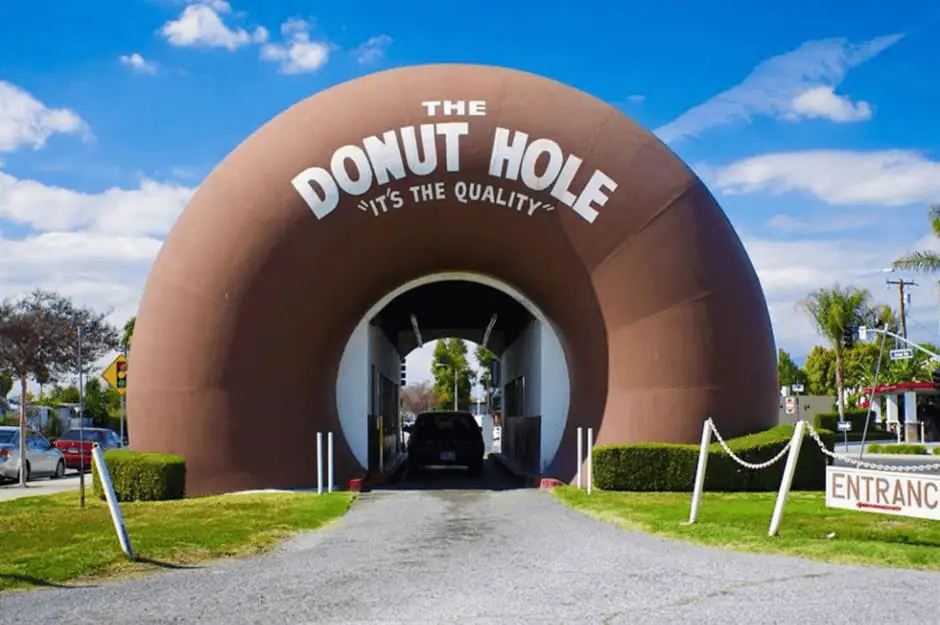
Post-war suburban expansion played a crucial role in the dominance of fast food. As Americans moved farther from city centers, cars became essential, and restaurants adapted accordingly. Drive-thrus transformed eating into a mobile activity, fitting seamlessly into commuting and family routines. Fast-food chains designed buildings, menus, and packaging around car culture. This alignment between infrastructure and lifestyle allowed fast food to scale nationally faster than any previous dining model.
McDonald’s and the Franchise Blueprint

McDonald’s perfected the franchise system that would define global fast food. By tightly controlling operations while allowing rapid expansion, it created a blueprint others would follow. The focus on efficiency, uniform training, and aggressive real-estate strategy allowed explosive growth. McDonald’s didn’t just sell burgers; it sold a system that could be replicated worldwide. This approach turned fast food into a scalable business empire rather than a collection of restaurants.
Burger King, KFC, and Menu Identity

As competition grew, chains differentiated themselves through menu identity. Burger King leaned into flame-grilled branding, while KFC centered its image around fried chicken and secret recipes. These chains proved that specialization mattered as much as speed. Clear food identity helped brands travel internationally, allowing them to adapt locally without losing recognition. Fast food became modular, core products stayed consistent, while sides and flavors adjusted by market.
Marketing, Children, and Cultural Reach

Fast-food chains expanded their influence through marketing that targeted families and children. Toys, mascots, and television ads built emotional attachment early. This strategy embedded fast food into childhood memory and routine. Over time, the brands became cultural symbols rather than just food providers. That emotional connection ensured longevity, turning chains into multigenerational habits that traveled across borders along with American media and pop culture.
Global Expansion and Adaptation
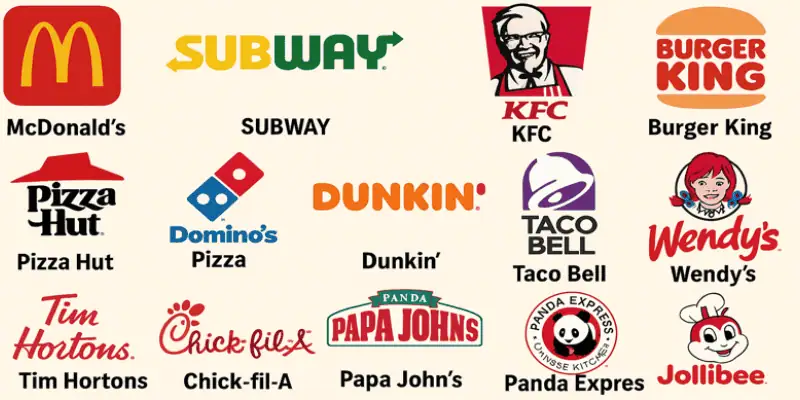
American fast-food chains succeeded globally by adapting without abandoning their core systems. Menus adjusted to local tastes, but operations remained standardized. This balance allowed chains to scale internationally while respecting regional preferences. Fast food became a familiar entry point into American consumer culture worldwide. The empire grew not by forcing sameness, but by exporting a flexible system built on efficiency, branding, and consistency.
Why America Still Dominates Fast Food

America remains the fast-food capital because it controls the model, not just the menu. The systems, logistics, branding strategies, and franchising structures were all pioneered and refined domestically. Even as other countries develop their own chains, they often follow American frameworks. Fast food’s empire endures because it evolved alongside American life itself, making convenience, speed, and scale inseparable from how the world eats.


