
Why America’s Fast-Food Culture Is Being Questioned More Than Ever in 2026

In recent years, America's fast-food culture is facing heightened scrutiny. With evolving consumer priorities, the industry is being challenged to adapt and meet new standards of health, sustainability, and responsibility. This shift is driven by an increased awareness of the implications of dietary choices, prompting a broader reevaluation of fast-food offerings. The call for accountability and transparency in food sourcing and preparation reflects a growing demand for change across the nation.
Health-Conscious Consumers Change Menus
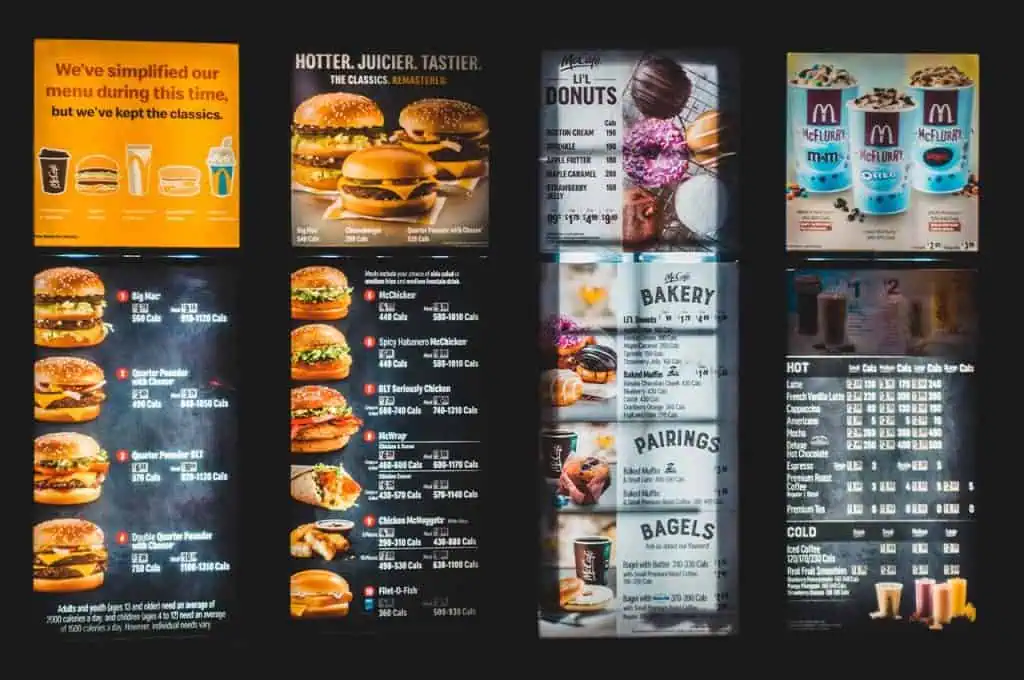
As more consumers embrace health-conscious lifestyles, fast-food chains are being compelled to rethink menu offerings. Gone are the days when deep-fried options dominated choices. Now, ingredients like whole grains, organic produce, and lean proteins are becoming staples. Chains are reducing sodium and sugar content, ensuring that meals cater to those mindful of nutritional value. The integration of nutrient-dense options appeals to those seeking convenience without compromising their health goals.
Plant-Based Options: From Trend to Necessity

What once seemed a fleeting trend, plant-based options are now a staple on fast-food menus. Increasing demand for sustainable and ethical dining has propelled chains to offer alternatives that satisfy both vegetarians and meat-eaters. The focus is on ingredients like jackfruit, mushrooms, and legumes, designed to mimic traditional proteins' texture and flavor. These adaptations not only cater to dietary preferences but also address broader ecological concerns, reinforcing their permanence on the menu.
Economic Pressures Alter Dining Habits

Economic challenges are reshaping how consumers engage with fast-food. Rising costs of living and food prices push chains to innovate with budget-friendly options that don't skimp on quality. Value menus become pivotal, offering diverse and affordable choices. Additionally, meal deals and loyalty programs are utilized to attract cost-conscious diners. This need for economic efficiency compels fast-food chains to balance affordability with the quality demanded by an increasingly discerning public.
Social Media's Role in Accountability

Social media's influence in holding fast-food establishments accountable is undeniable. Platforms like Instagram and Twitter amplify consumer experiences, both positive and negative. This digital transparency forces chains to prioritize quality and service. Mistakes can quickly escalate, prompting rapid corporate responses. Engaging with customer feedback online has become essential for maintaining brand reputation and fostering trust. This accountability not only inspires operational improvements but also cultivates loyalty and authenticity.
The Future: From Convenience to Consciousness
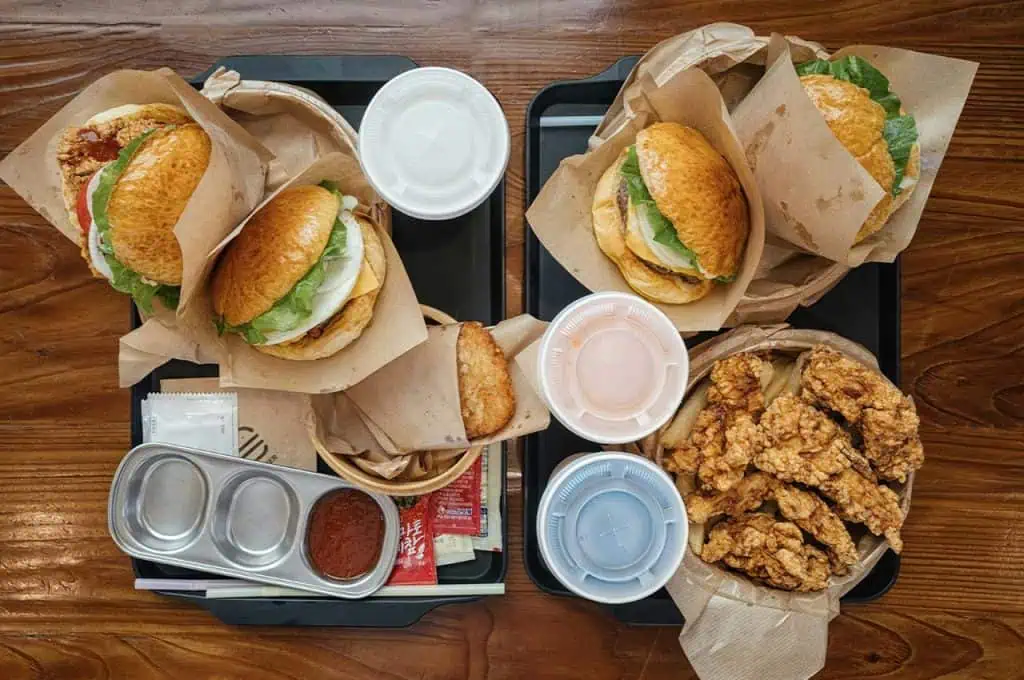
In 2026, the fast-food landscape is undergoing a significant shift from pure convenience to a more health-conscious approach. Consumers are increasingly demanding transparency in ingredients and sustainable sourcing. Restaurants are responding by offering plant-based options and integrating organic produce into menus. This evolution is fueled by a deeper understanding of nutrition and environmental impact, prompting chains to reinvent their offerings. The emergence of fast-casual alternatives prioritizes quality and customization, meeting the needs of a savvy public eager for mindful consumption without sacrificing time efficiency.


