
12 UNESCO-Protected Food Traditions Every Family Should Try at Least Once

Food traditions protected by UNESCO are recognized for how they preserve knowledge, identity, and social bonds rather than for luxury or presentation. These traditions reflect how families cook together, pass down skills, and structure daily life around shared meals. Experiencing them isn’t about mastering recipes but about understanding rhythm, cooperation, and respect for ingredients. Each tradition offers families a chance to reconnect with food as a shared cultural practice rather than a fast individual habit.
Traditional Mexican Cuisine

Traditional Mexican cuisine is protected for its holistic system built around corn, beans, chilies, and ancient techniques like nixtamalization. Families pass down knowledge through daily cooking rather than written instruction, teaching patience, repetition, and respect for land. Meals often involve shared labor, from grinding corn to assembling dishes together. Experiencing this tradition highlights how food functions as cultural memory, connecting generations through routine rather than ceremony alone.
Neapolitan Pizza Making

Neapolitan pizza making is recognized not just for flavor but for its disciplined craft and community-based transmission. Families pass down dough handling, fermentation timing, and baking judgment through observation and practice. Precision comes from experience rather than measurement. Trying this tradition reveals how simplicity becomes meaningful when techniques are preserved carefully, reinforcing pride in craft and consistency over speed or shortcuts.
Mediterranean Diet

The Mediterranean diet is protected as a lifestyle that values seasonality, moderation, and shared meals. Families cook together using local ingredients, eat slowly, and prioritize conversation. Food choices reflect balance rather than restriction. Participating in this tradition teaches how daily habits support long-term health through rhythm and community. It shows families that eating well is less about rules and more about sustained, mindful practice.
Japanese Washoku

Washoku represents Japan’s philosophy of balance, seasonality, and respect for natural flavors. Families pass down these values through everyday meals that emphasize harmony and presentation. Cooking focuses on restraint rather than excess, allowing ingredients to remain recognizable. Experiencing washoku teaches attentiveness, gratitude, and the idea that meals should reflect the season and environment rather than personal indulgence.
French Gastronomic Meal

The French gastronomic meal is recognized for its structured approach to eating as a social ritual. Families emphasize planning, table setting, pacing, and conversation alongside cooking. Meals become occasions that reinforce togetherness and celebration. Trying this tradition highlights how intention transforms eating into an experience, teaching families that how food is shared matters as much as what is served.
Kimjang (Korean Kimchi Making)

Kimjang centers on collective preparation of kimchi for winter storage. Families and neighbors gather to prepare large quantities, sharing labor and food. The tradition teaches cooperation, generosity, and foresight. Participating in kimjang shows how food preparation strengthens social bonds and ensures communal resilience. It reinforces the idea that preservation is as much about people as ingredients.
Italian Art of the Pizzaiuolo

The art of the pizzaiuolo protects the gestures, rhythms, and community surrounding pizza making. Families pass down skills through observation and repetition, emphasizing pride in mastery earned over time. The tradition values consistency, patience, and respect for ingredients. Trying it reveals how food crafts become identity markers rather than just methods of cooking.
Turkish Coffee Culture
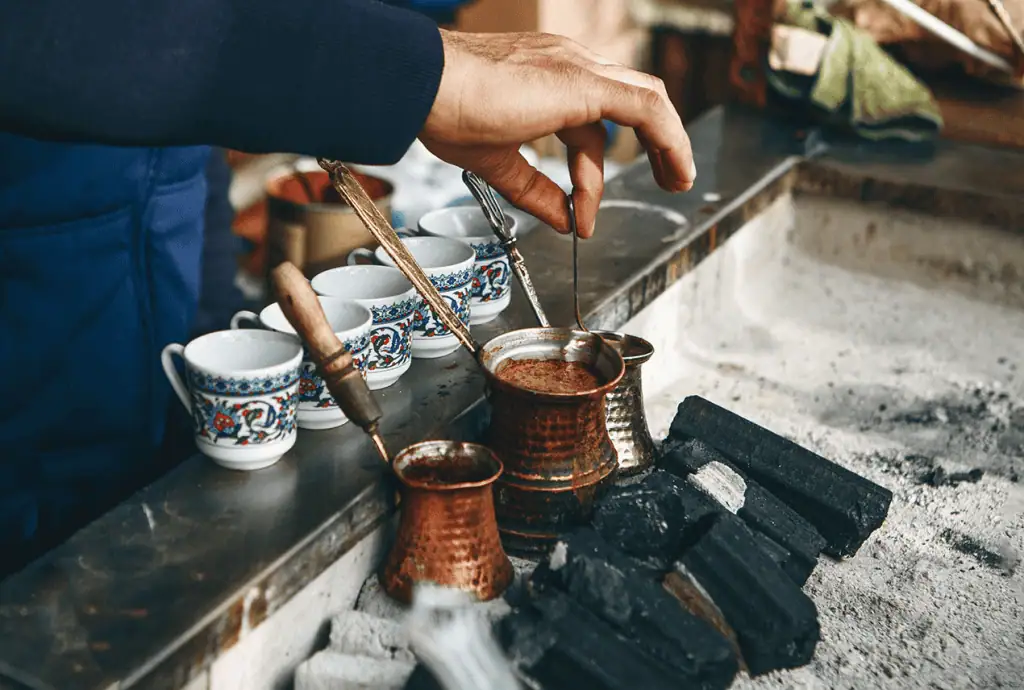
Turkish coffee culture centers on preparation, serving, and social connection. Families teach brewing methods, serving etiquette, and conversation rituals through repetition. Coffee is used to mark hospitality, reflection, and togetherness rather than speed. Experiencing this tradition shows how even small daily rituals can carry deep cultural meaning and reinforce relationships.
Georgian Wine-Making in Qvevri

This ancient wine-making tradition uses clay vessels buried underground, maintained by families across generations. The process ties wine to land, season, and celebration. Knowledge is passed orally and through participation. Trying this tradition connects families to history through shared labor, patience, and respect for natural fermentation processes that predate modern technology.
Belgian Beer Culture

Belgian beer culture is recognized for craftsmanship, diversity, and moderation. Families pass down brewing knowledge and appreciation for technique rather than excess consumption. The tradition emphasizes local identity and careful production. Participating helps families understand how food and drink traditions can celebrate skill, place, and responsibility at the same time.
Armenian Lavash Baking

Lavash baking requires cooperation, with family members stretching dough and managing ovens together. The bread plays a role in daily meals and major life events. Learning this tradition teaches coordination, timing, and shared responsibility. It shows how staple foods can anchor cultural continuity and reinforce family roles through repetition.
Couscous Tradition of North Africa

The couscous tradition emphasizes communal preparation and shared meals across North African cultures. Families gather to roll grains by hand and prepare stews together for important occasions. The process teaches patience and generosity. Experiencing it highlights how food traditions cross borders while reinforcing shared values of hospitality and togetherness.


