
7 Prison Meals That Inmates Say Are Actually Not as Bad as You’d Expect

Prison food is widely assumed to be bland, scarce, and unpleasant, shaped more by cost and control than by taste. While that reputation exists for a reason, many inmates say not every meal lives up to the stereotype. Some dishes stand out as surprisingly decent because they’re filling, familiar, or prepared in ways that work well at scale. These meals don’t feel indulgent, but they meet basic expectations of comfort and reliability. Over time, they become the items inmates look forward to most in an otherwise repetitive menu cycle.
Breakfast Oatmeal
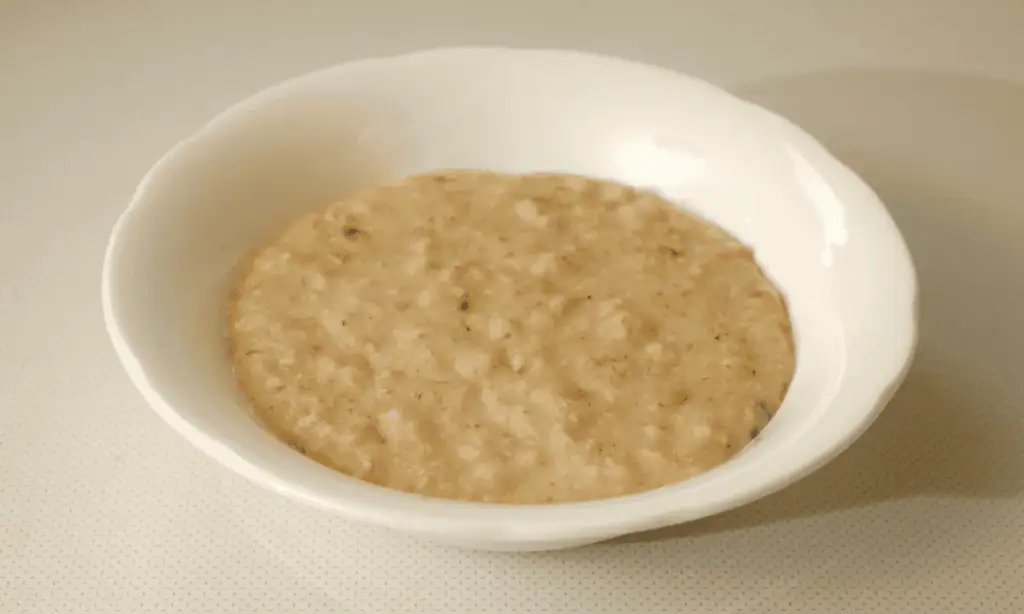
Oatmeal is often considered one of the better prison meals because it’s warm, filling, and consistent. Served regularly at breakfast, it provides sustained energy and a sense of routine. While plain, it’s easy to eat and rarely undercooked or overprocessed. Many inmates appreciate that it’s predictable and gentle on the stomach. When paired with fruit or sugar packets, oatmeal becomes one of the few meals that feels customizable and quietly comforting.
Chili

Chili is frequently mentioned by inmates as a meal that works well in prison kitchens. Its strong seasoning helps mask lower-quality ingredients, and it stays hot and cohesive when prepared in large batches. Beans and meat substitutes provide protein and fullness, making it more satisfying than many other options. Chili’s thick texture also helps it feel substantial, giving inmates a sense of having eaten a real meal rather than just calories.
Baked Chicken Leg Quarters
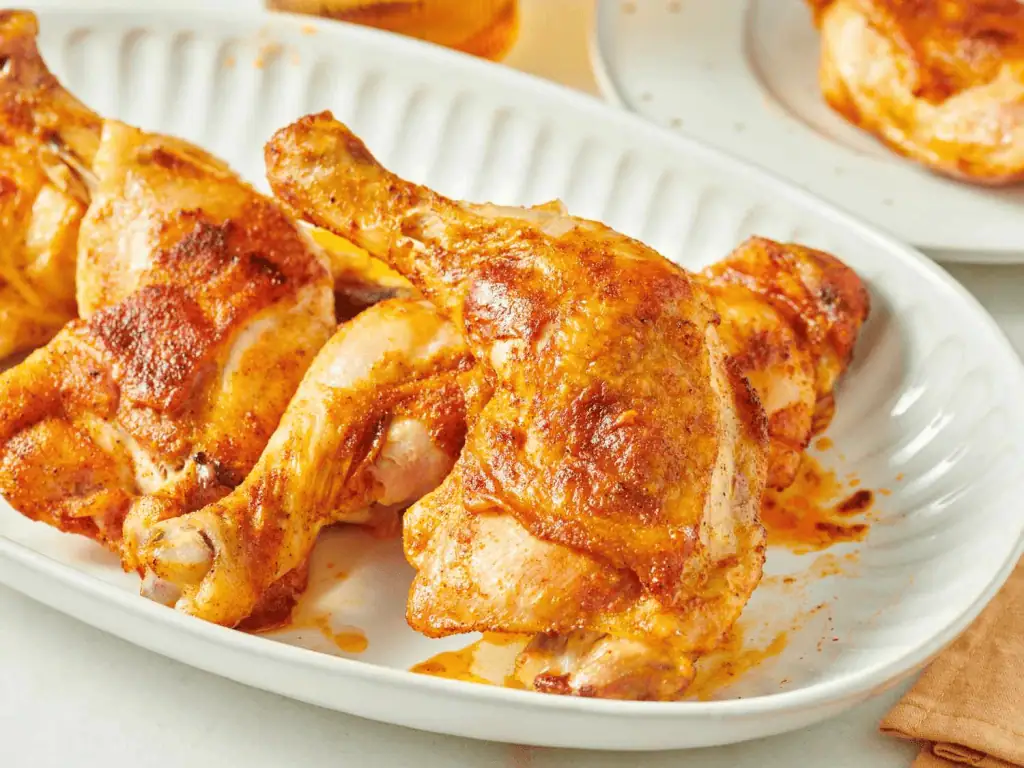
Baked chicken leg quarters are often considered a high point in prison meals when they appear. Unlike heavily processed foods, whole chicken pieces feel familiar and recognizable. The dark meat stays moist even when cooked in bulk, making it more forgiving than lean cuts. Inmates often say this meal feels closer to something served outside, offering a brief sense of normalcy within a highly controlled environment.
Peanut Butter Sandwiches

Peanut butter sandwiches are widely appreciated for being filling and dependable. Peanut butter provides protein and fat, helping inmates feel full longer. Served with bread, it requires no reheating and avoids many texture issues common in prison food. While simple, the flavor is familiar and satisfying. Many inmates view it as a safe option on days when hot meals are disappointing or unappealing.
Spaghetti with Meat Sauce
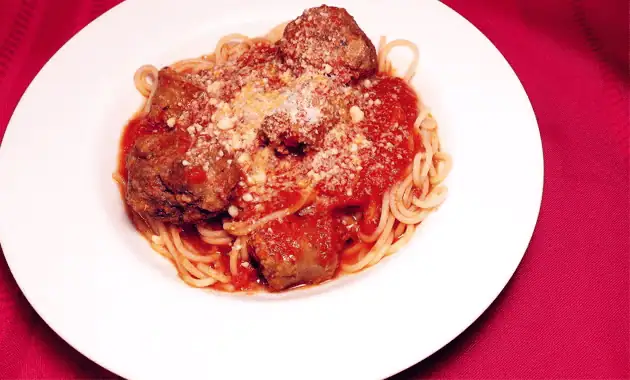
Spaghetti with meat sauce tends to rank higher among prison meals because pasta scales well and remains edible even when overcooked. The sauce adds moisture and flavor, helping compensate for basic ingredients. Inmates often describe it as one of the most “normal” meals served, resembling food eaten before incarceration. Its familiarity and ability to satisfy hunger make it more tolerable than many institutional dishes.
Bean and Rice Dishes
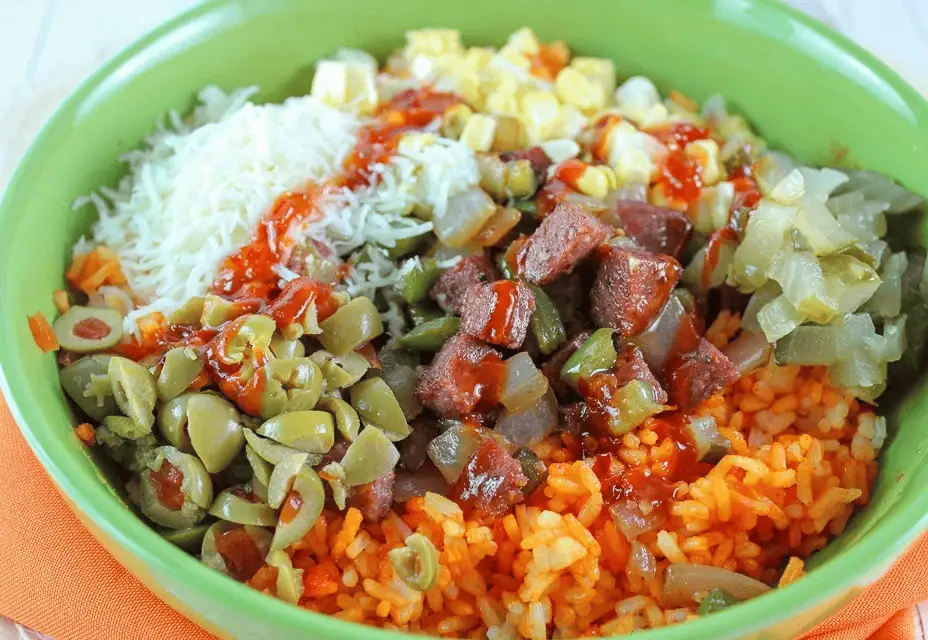
Bean and rice meals are often better received than expected due to their simplicity and filling nature. When seasoned properly, they offer warmth and substance without relying on expensive ingredients. The combination provides protein, carbohydrates, and fiber, helping inmates stay full. Many appreciate that the dish feels intentionally composed rather than assembled from leftovers, making it one of the more respectable meals on the menu.
Breakfast Pancakes

Pancakes served at breakfast are often seen as a morale boost despite their simplicity. Soft texture and mild sweetness make them easy to eat, even when the quality varies. Syrup or sweet toppings help mask dryness, and the meal feels different from the usual savory offerings. Inmates often mention pancakes as one of the few meals that feels almost enjoyable, offering a brief sense of comfort in an otherwise rigid routine.


