
12 Foods Your Great-Grandparents Ate That Supermarkets No Longer Sell

A century ago, American food shopping looked radically different from today’s supermarket experience. Meals were shaped by seasonality, local farms, and preservation methods rather than convenience or branding. Many foods your great-grandparents ate regularly were practical responses to limited refrigeration, economic necessity, and cultural norms around waste and nourishment. As food systems industrialized and tastes shifted toward uniformity and speed, these once-common items slowly disappeared from mainstream grocery shelves, leaving behind a revealing snapshot of how everyday eating has evolved.
Aspic-Based Meat Jellies

Aspic-based meat jellies were once practical centerpieces that showcased both thrift and skill. Made by boiling bones to extract natural gelatin, aspic preserves meats and vegetables while creating visually impressive dishes. These jellied foods were common at gatherings and respected for minimizing waste. As refrigeration removed the need for gelatin preservation and modern diners rejected the texture, aspic shifted from everyday food to historical curiosity.
Head Cheese

Head cheese represented a philosophy of full animal use that defined earlier American cooking. Crafted from meat and gelatin taken from the head, it was nutritious, affordable, and deeply practical. Families valued it for stretching resources and honoring livestock. Modern supermarkets moved away from such cuts as consumers favored visually clean, standardized meats, pushing head cheese into specialty markets and cultural memory rather than everyday carts.
Pickled Pigs’ Feet

Pickled pigs’ feet were once valued for durability and flavor, preserved in vinegar to last without refrigeration. They provided collagen, protein, and sustenance at low cost, making them common in working-class diets. As preservation technology improved and tastes shifted away from strong textures and bone-in cuts, these items disappeared from typical supermarkets despite their long-standing role in American food history.
Salt Cod

Salt cod was essential before refrigeration, offering a reliable protein source that could be stored for months. Families soaked and cooked it into stews, casseroles, and baked dishes. While once common, its preparation time and strong flavor fell out of step with modern convenience. As fresh and frozen fish became available year-round, salt cod quietly vanished from everyday grocery shelves.
Suet
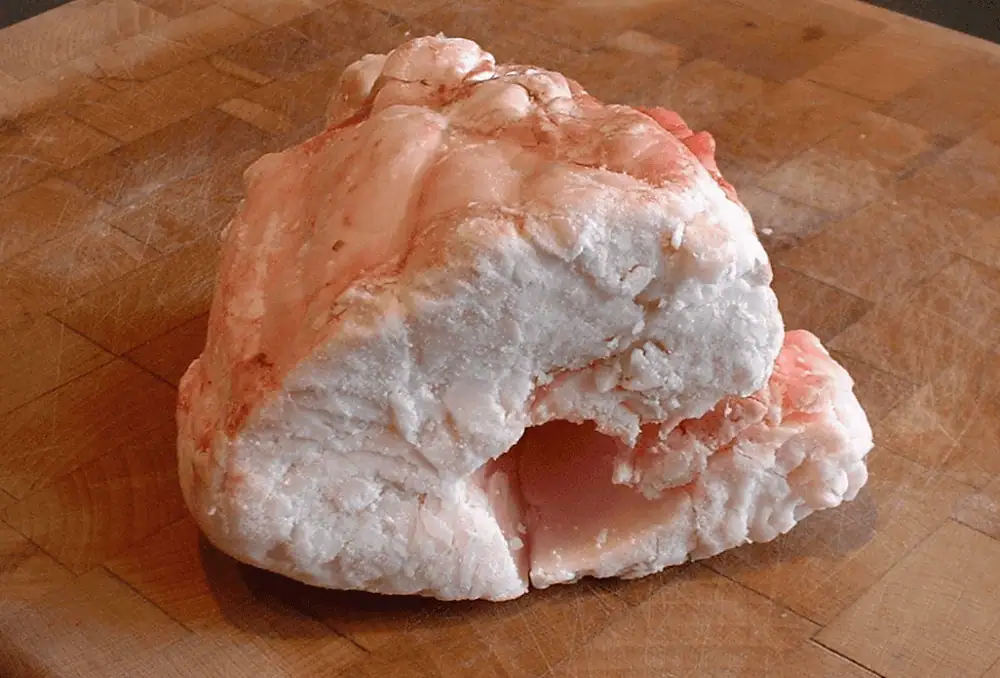
Suet played a critical role in earlier cooking, especially in baking and hearty puddings. This dense animal fat provided calories and structure when butter was scarce or expensive. Over time, industrial oils and margarine replaced it, driven by convenience and changing health narratives. As recipes evolved, suet lost its place in supermarkets, surviving mostly in historical cookbooks.
Fresh In-Store Cottage Cheese

Cottage cheese was once made fresh by local grocers, resulting in a tangier, less uniform product. It was sold loose or lightly packaged, reflecting shorter supply chains and local trust. As food safety regulations tightened and mass production standardized dairy, in-store preparation disappeared. Today’s cottage cheese bears little resemblance to the fresh versions your great-grandparents knew.
Organ Meat Cuts
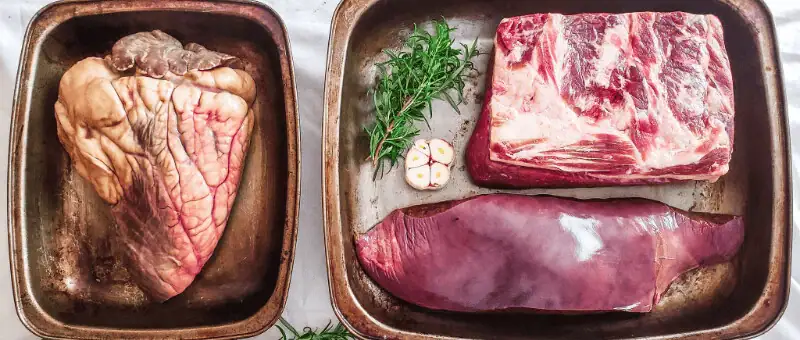
Organ meats were everyday staples, prized for nutrition and affordability. Liver, kidneys, and hearts were common purchases, supported by cooking knowledge passed down through families. As American diets shifted toward muscle cuts and convenience, familiarity with organ preparation declined. Supermarkets followed demand, removing these items from regular stock and signaling a broader cultural shift away from nose-to-tail eating.
Minimally Processed Milk

Milk once arrived fresh from nearby dairies, often raw or lightly processed. Families consumed it quickly, trusting local sources. Pasteurization later became standard for safety, fundamentally changing how milk was handled and sold. While safer, the change removed earlier forms of milk from shelves entirely, making modern dairy fundamentally different from what earlier generations consumed daily.
Bulk Lard Blocks

Lard was a primary cooking fat, sold in large blocks and used in nearly every kitchen. It added flavor, stability, and affordability to cooking and baking. As vegetable shortenings gained popularity through marketing and health messaging, lard’s reputation declined. Supermarkets adapted by reducing or eliminating bulk lard, reshaping American fat consumption habits.
Locally Canned Foods
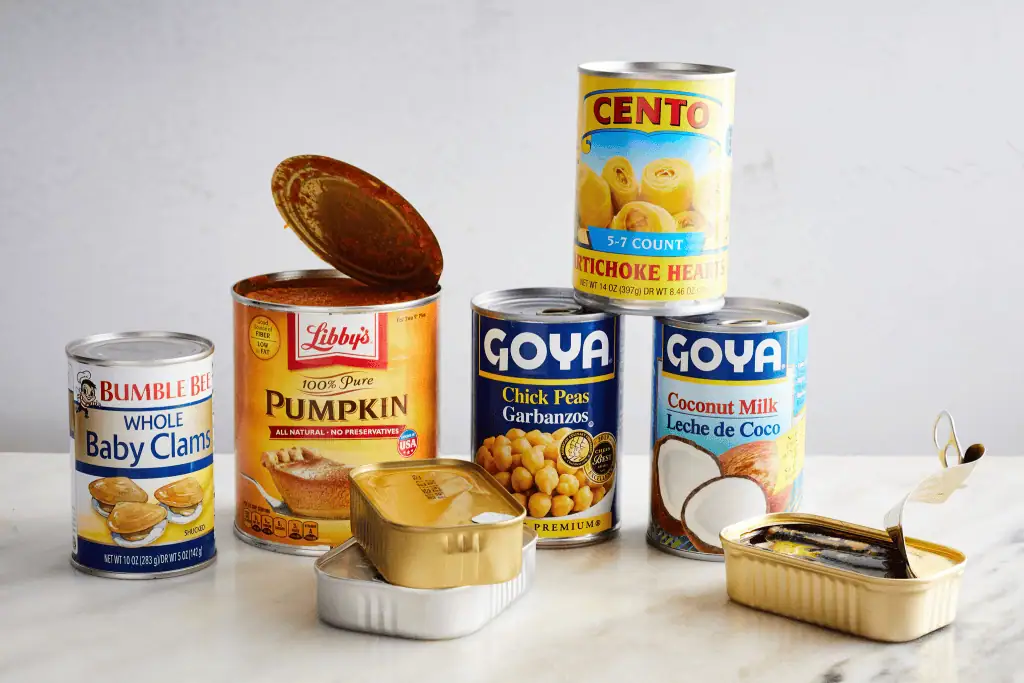
Before industrial canning dominated, many stores sold locally canned vegetables and meats prepared in small batches. These items reflected regional harvests and seasonal rhythms. As mass production improved consistency and shelf life, local canned foods disappeared from supermarkets. Today’s canned aisles reflect uniformity rather than community-based preservation.
Wild Game Meats
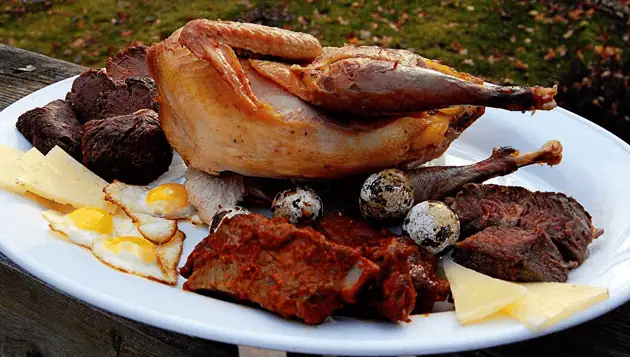
Rabbit and squirrel were once common sources of protein, especially in rural households. Hunting supplemented the food supply and reduced costs. As urbanization increased and hunting declined, these meats lost relevance. Regulatory complexity and reduced demand led supermarkets to drop them entirely, distancing modern shoppers from foods once considered ordinary.
Molasses as a Staple Sweetener

Molasses once served as a primary sweetener, valued for affordability and availability before refined sugar became cheap. It flavored breads, desserts, and everyday meals. As sugar replaced it, molasses shifted from necessity to specialty. Today it survives mainly in niche baking rather than as a daily staple, marking a major shift in American sweetness preferences.


