
Why American Wagyu Is Suddenly the Most Wanted Steak in U.S. Restaurants

American Wagyu has moved from niche menus into the spotlight of U.S. fine dining, driven by changing chef priorities and evolving diner expectations. While Japanese Wagyu remains iconic, its extreme richness and limited availability make it impractical for widespread restaurant use. American Wagyu offers a compelling alternative, combining high marbling with familiar beef structure and a reliable domestic supply. This balance allows chefs to deliver a premium steak experience that feels indulgent without overwhelming the palate, making it increasingly attractive across a wide range of restaurant concepts.
A Balance Between Luxury and Familiarity
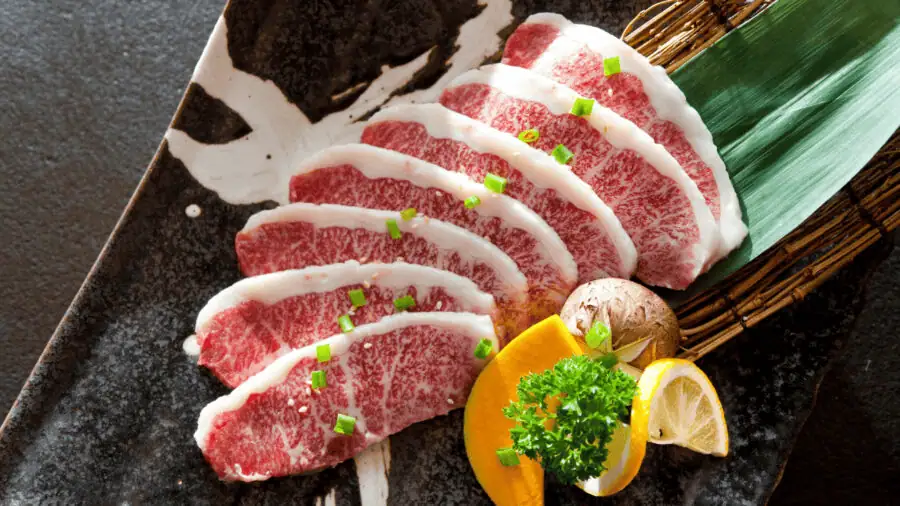
One reason American Wagyu is surging in popularity is its ability to deliver richness without excess. Unlike Japanese Wagyu, which can be intensely fatty, American Wagyu retains the muscle structure and bite of traditional American beef. This makes it more versatile on menus and approachable for diners who want indulgence without heaviness. Chefs appreciate that the steak delivers visible marbling and tenderness while still behaving predictably on the grill, allowing them to showcase technique rather than compensate for extreme fat content.
More Consistent Supply for Restaurants
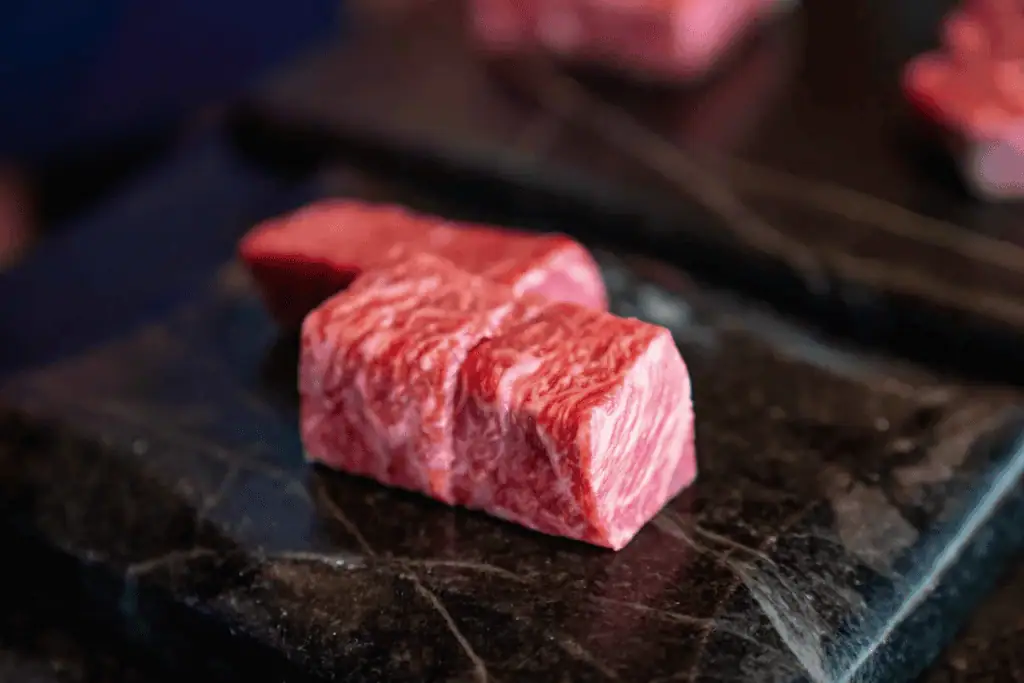
Consistency is critical for restaurants, and American Wagyu provides a supply advantage that imported beef cannot always guarantee. Domestic production allows for more stable pricing, predictable availability, and closer relationships between ranchers and chefs. Restaurants can confidently feature American Wagyu as a regular menu item rather than an occasional special. This reliability has made it especially appealing to steakhouses and upscale casual restaurants looking to offer a premium upgrade without constantly adjusting menus due to shortages or cost spikes.
Rising Demand for Domestic Sourcing

American diners are increasingly interested in where their food comes from, and American Wagyu fits neatly into this shift toward domestic sourcing. Restaurants can highlight regional ranches, transparent breeding practices, and sustainability efforts tied to U.S.-based producers. This storytelling adds value beyond the steak itself, allowing menus to connect luxury with locality. For many chefs, serving American Wagyu aligns better with modern values around traceability and responsible sourcing than relying solely on imported beef.
Social Media and Menu Perception
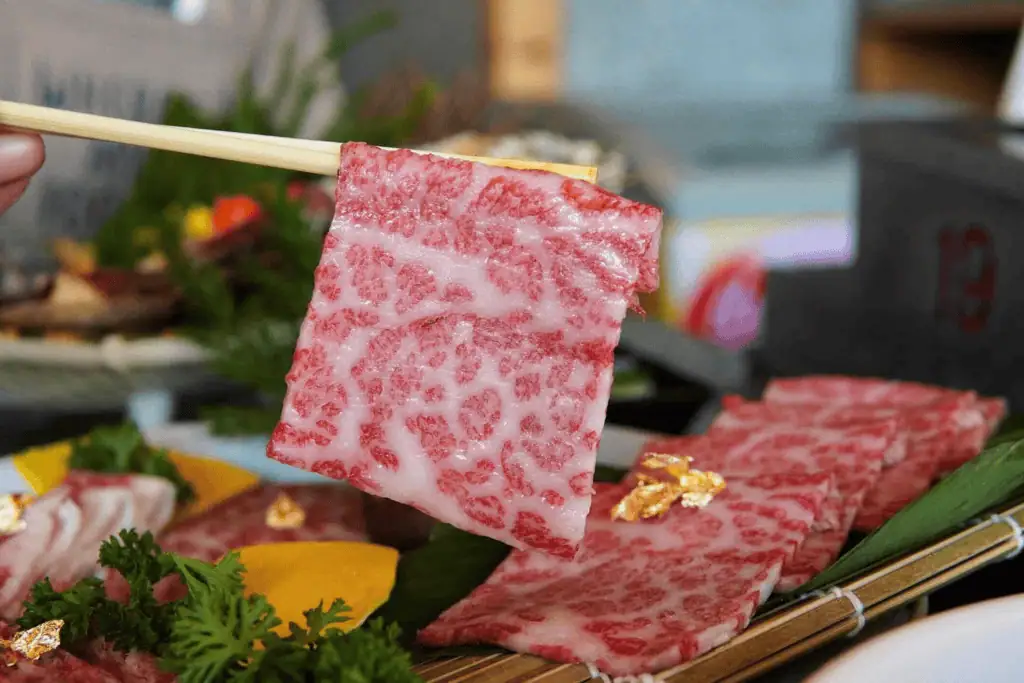
Visual appeal and menu language have played a major role in American Wagyu’s rise. The term “Wagyu” signals luxury, while “American” reassures diners about flavor familiarity and portion size. Social media posts showcasing marbled cuts and sizzling presentations have further fueled demand, turning the steak into a status item without the intimidation factor of traditional Wagyu pricing. As diners seek premium experiences that feel both special and accessible, American Wagyu has emerged as the perfect middle ground.
Chefs See It as a Profitable Premium Upgrade

Beyond flavor and sourcing, American Wagyu appeals to restaurants because it offers a strong balance between cost and perceived value. Compared to imported Wagyu, American Wagyu allows chefs to price steaks at a premium without crossing into ultra-luxury territory that limits orders. Diners recognize the Wagyu name and associate it with indulgence, making them more willing to pay for the upgrade. For restaurants, this creates higher margins while still delivering a steak that performs consistently in the kitchen and satisfies guest expectations.


