
The Surprising Reasons behind closure of Chinese Restaurants in America

Chinese restaurants have long been a staple in American dining culture, bringing diverse flavors and traditions to communities across the nation. Yet, many are facing closures due to a combination of contemporary pressures. This exploration delves into the multifaceted challenges reshaping their landscape, offering insights into the forces at play and practical considerations for those in the industry. Understanding these factors is critical for anyone passionate about preserving the rich culinary legacy of Chinese cuisine in America.
Rising Rent and Real Estate Pressures

In metropolitan areas, steep increases in rent and real estate prices are putting tremendous strain on Chinese restaurant owners. Often located in prime urban spots, these establishments face exponential cost growth, making profitability challenging. Owners are compelled to either relocate to less expensive areas or close operations altogether. Strategies like renegotiating leases or finding shared spaces can provide temporary relief, but long-term viability requires innovative solutions tailored to community needs and economic landscapes.
Labor Shortages and Staffing Challenges

Many Chinese restaurants are struggling with labor shortages, impacting their ability to maintain quality service. This issue is compounded by the specialized skills required for authentic Chinese cooking, which are harder to cultivate in the current labor market. Addressing this involves investing in training programs and creating enticing employment packages that support staff retention and skill development. Enhancing workplace culture and improving job satisfaction are crucial steps toward overcoming this hurdle.
Supply Chain Disruptions Impact Ingredients

Global supply chain disruptions have significantly affected access to essential ingredients critical for authentic Chinese culinary offerings. Unpredictable availability and escalating costs challenge menu consistency and profitability. Solutions include forming strong relationships with local suppliers, focusing on seasonal and sustainable alternatives, and maintaining menu flexibility. By adapting sourcing strategies, restaurants can uphold their culinary standards while navigating these volatile conditions effectively.
Shifts in Consumer Dining Preferences

Consumers' evolving dining preferences, seeking healthier and more diverse options, are influencing restaurant operations. Many diners now prioritize plant-based meals and unique flavor combinations, compelling Chinese restaurants to innovate their traditional menus. Embracing fusion dishes and incorporating contemporary dietary trends without losing authenticity can attract a wider audience. Understanding and adapting to these shifts ensures relevance and sustains interest in the rich tapestry of Chinese culinary arts.
Impact of Misconceptions
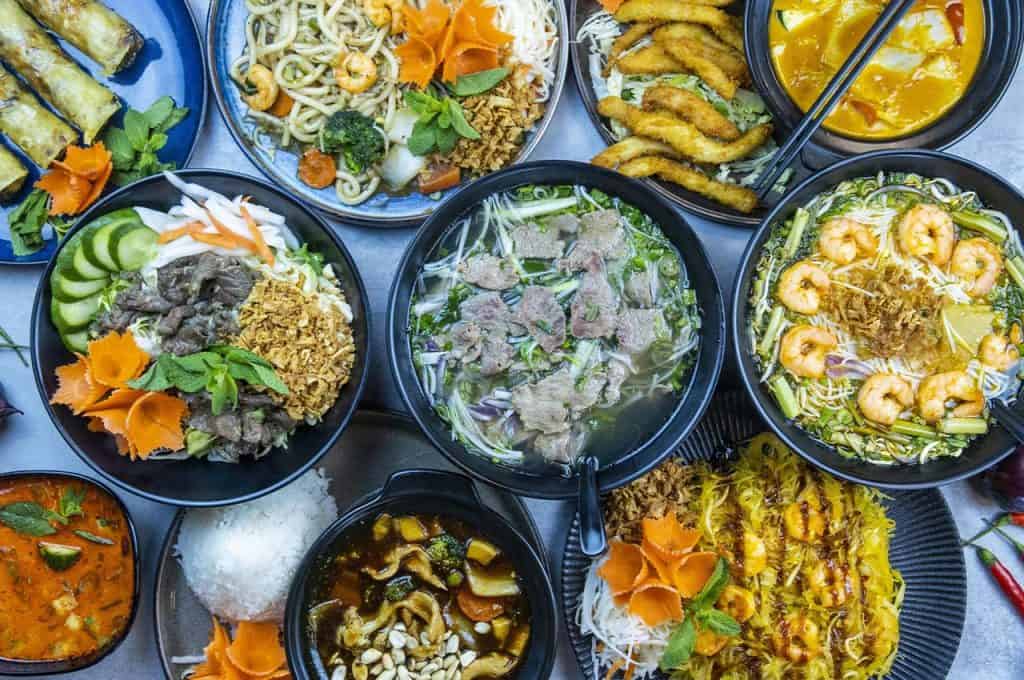
Misunderstandings about Chinese cuisine can adversely affect business. Many diners expect generic offerings like sweet and sour chicken, overlooking the regional diversity that Chinese cuisine boasts. This narrow view limits appreciation for authentic dishes, deterring potential patrons seeking more than the Americanized versions they encounter. Elevating awareness about traditional dishes could expand interest and broaden the customer base, providing a lifeline for struggling restaurants.
Foot Traffic
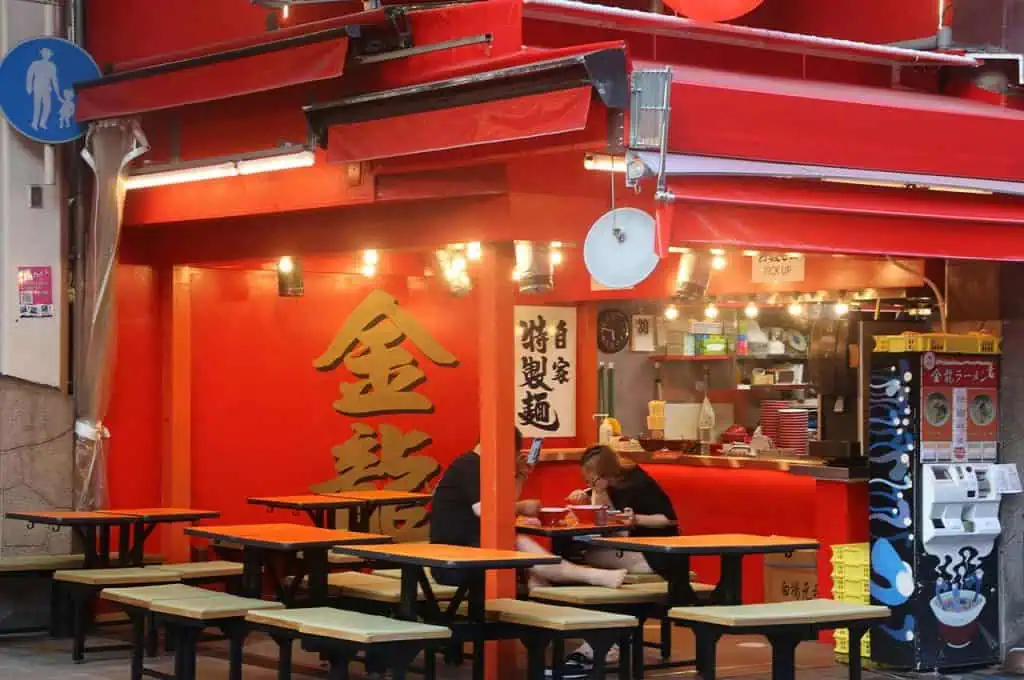
Foot traffic is crucial for any restaurant, and Chinese eateries aren't exempt from this need. Location affects visibility and accessibility, directly influencing customer visits. Once-bustling dining areas are now less frequented, sometimes due to urban development shifts or competition from newer dining trends. Enhancing curb appeal, leveraging social media, and offering delivery services can help in maintaining customer flow, ensuring the survival of these culinary establishments in a competitive market.


