
7 Beloved American Foods That Disappeared During Major Shutdowns

When widespread shutdowns disrupted supply chains and shuttered restaurants, Americans didn’t just lose dining options they lost access to foods they assumed would always be available. Some items disappeared because of ingredient shortages, others because production slowed or demand patterns shifted suddenly. What made these absences so noticeable was familiarity; these foods weren’t luxuries, but everyday staples tied to routine and comfort. Their temporary disappearance revealed how fragile modern food systems can be. These seven American foods became surprisingly hard to find during major shutdowns, leaving lasting impressions on shoppers and diners alike.
Deli Counter Cold Cuts

Freshly sliced deli meats vanished quickly as grocery stores reduced in-store services and staffing. Without deli counters operating normally, customers were limited to prepackaged options, many of which sold out just as fast. The absence disrupted everyday lunches, sandwiches, and quick meals that people relied on during stressful periods. Shutdowns exposed how dependent consumers were on behind-the-counter labor for basic convenience foods. Even when supplies returned, many shoppers remembered how suddenly such a routine staple became inaccessible.
Breakfast Restaurant Favorites
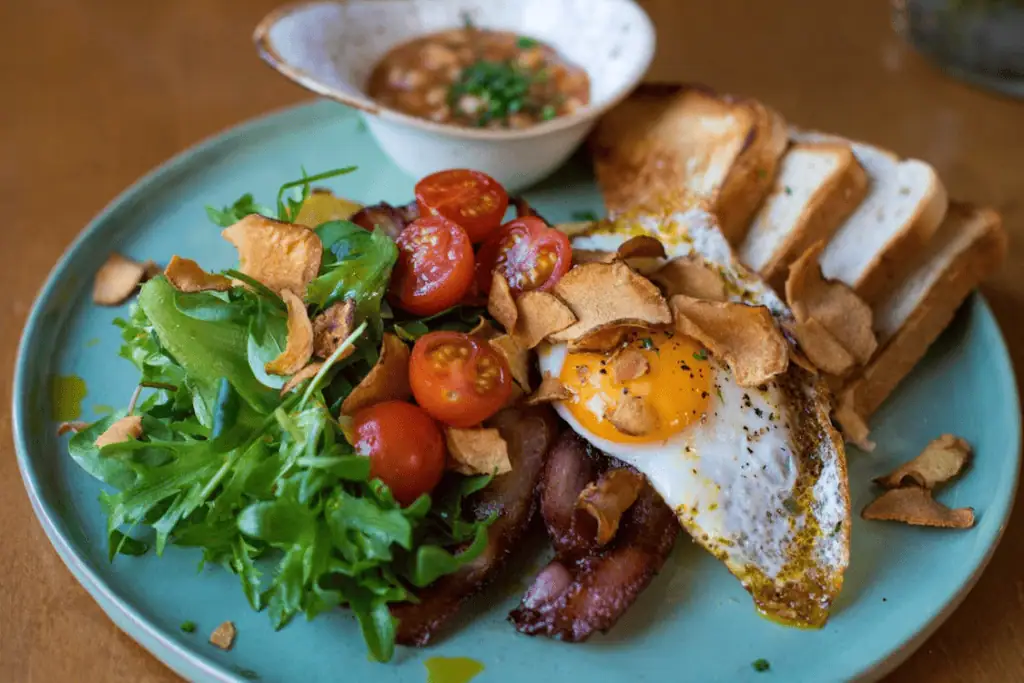
Foods like diner pancakes, omelets, and breakfast platters disappeared when sit-down restaurants closed nationwide. These meals were rarely replicated at home with the same ease or consistency. For many Americans, breakfast out was a weekly ritual tied to comfort and normalcy. Shutdowns removed not just the food, but the experience. The disappearance highlighted how much everyday dining habits relied on small local establishments rather than packaged grocery alternatives.
Soft-Serve Ice Cream

Soft-serve ice cream machines went quiet when fast-food dining rooms and amusement venues shut down. Unlike packaged ice cream, soft-serve depends heavily on in-person service and constant maintenance. During shutdowns, machines were powered down, and supply chains for mixes slowed. The loss felt symbolic, especially during warmer months when people sought small comforts. Its disappearance underscored how some foods exist only within specific service environments.
Fresh Bakery Bread
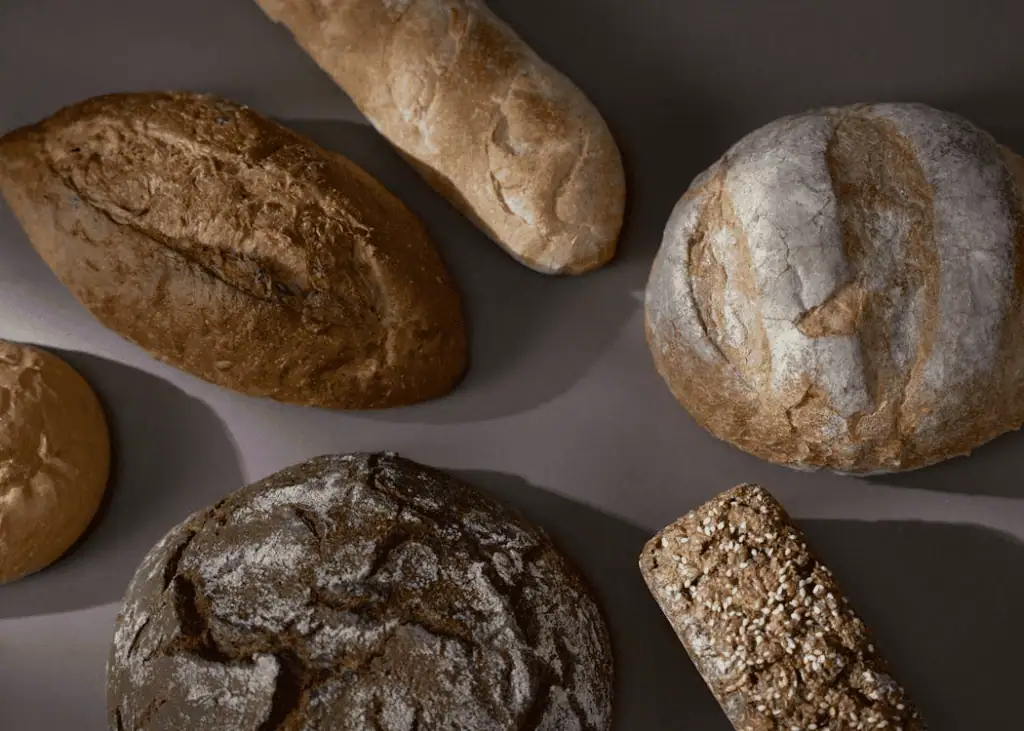
While packaged bread remained available, fresh bakery loaves became harder to find as in-store bakeries reduced hours or closed entirely. Smaller bakeries struggled with staffing, ingredient sourcing, and safety regulations. For many households, fresh bread represented normalcy and daily ritual. Its scarcity pushed more people toward home baking, reshaping habits. The absence revealed how local production plays a key role in everyday food access.
Movie Theater Snacks

Popcorn, nachos, and candy tied specifically to movie theaters disappeared when cinemas shut their doors. While similar snacks existed elsewhere, the experience-linked versions vanished completely. For Americans, these foods were inseparable from leisure and shared entertainment. Their absence marked a deeper loss of social routines. Shutdowns showed how some foods are sustained entirely by context rather than necessity.
Buffet-Style Foods

Buffet favorites like carved meats, salad bars, and hot trays disappeared as self-service dining was suspended. Health concerns made communal food handling impossible, removing entire formats overnight. These foods weren’t just meals but social dining experiences. Their disappearance emphasized how public health shifts can eliminate entire eating styles, not just individual dishes. Even after reopening, buffets returned slowly and cautiously.
Limited-Time Fast-Food Items

Many seasonal or promotional fast-food items vanished as chains simplified menus to reduce complexity. Production focused on core items, pushing limited-time favorites off menus indefinitely. Customers noticed the loss of familiar indulgences that provided small moments of novelty during difficult times. Shutdowns revealed how quickly non-essential menu items can disappear, even when demand remains strong.


